


Exclusive Insight on Avoiding Russian Assets
Why the EU Avoided Russian Assets in Its $105bn Ukraine Loan
The European Union’s decision to approve a $105 billion financial package for Ukraine marks one of the largest support commitments since the war began. While the size of the loan has drawn headlines, one key detail has raised questions, the EU deliberately chose not to use frozen Russian assets to fund the deal.
This decision was not accidental. It reflects a mix of legal caution, political compromise, and economic practicality, showing how complex financial support becomes during a prolonged international conflict.
A Major Commitment Without Using Russian Assets
The $105 billion package underlines how seriously the EU views Ukraine’s situation. The funding is designed to help keep Ukraine’s government functioning, support reconstruction, and cover military and humanitarian needs as the war continues.
What makes the package unusual is the clear choice to avoid directly using frozen Russian assets. Since the start of the conflict, billions of dollars linked to Russian individuals and institutions have been frozen across Europe and other Western countries. Many observers expected those funds to play a central role in financing Ukraine’s recovery.
Instead, the EU opted for loans and grants backed by its own budget and member states. This approach allows money to reach Ukraine faster, without waiting for unresolved legal and political disputes to be settled.
Legal Barriers to Seizing Frozen Assets
One of the main reasons behind this decision lies in international law. Frozen assets are not the same as confiscated assets. In most cases, ownership remains with the original holder, even if the funds cannot be accessed or moved.
Turning frozen Russian assets into direct financial support for Ukraine would require new legal frameworks. Without them, the EU could face lawsuits, constitutional challenges inside member states, and accusations of violating property rights under international law.
EU laws also differ from country to country. Reaching agreement on a single legal approach to permanently seize Russian assets would take time, possibly years. Given Ukraine’s urgent financial needs, the EU chose a faster and legally safer route.
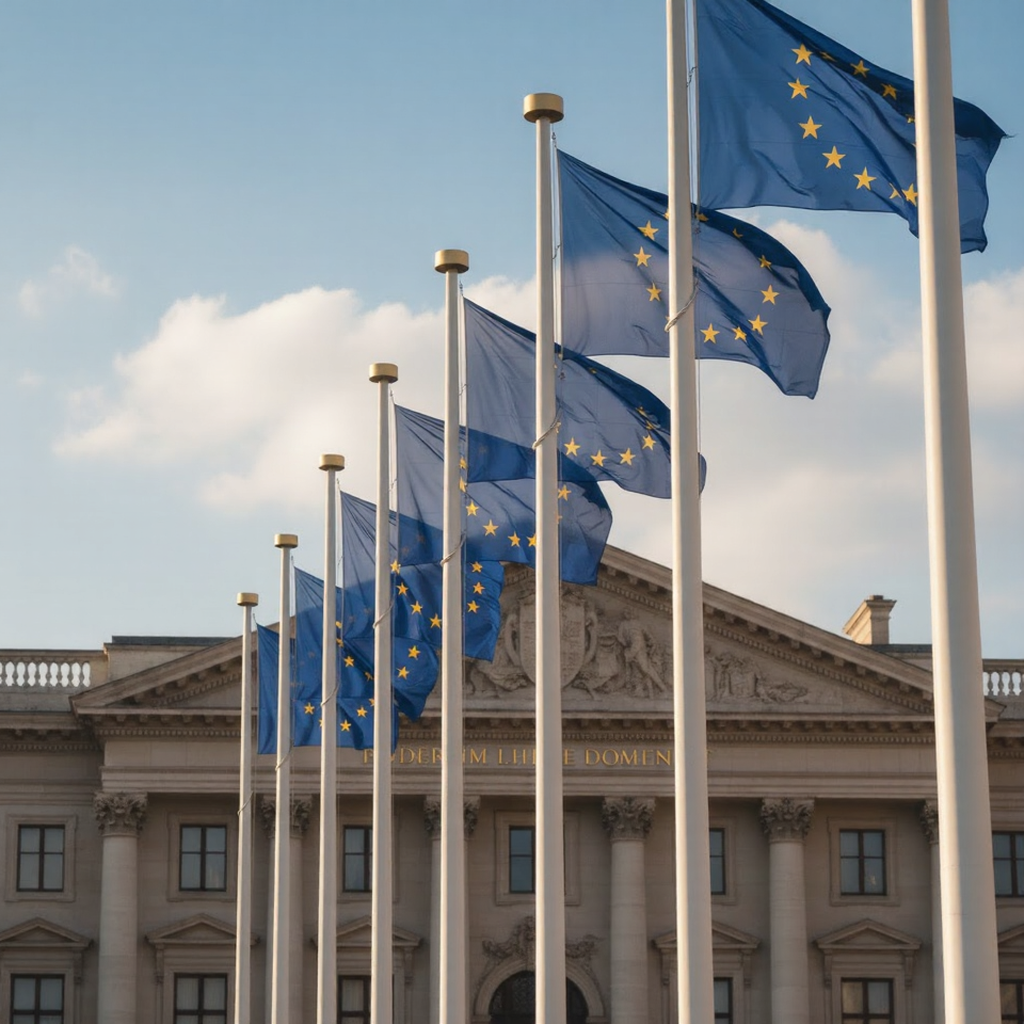
Political Unity and Diplomatic Concerns
Politics also played a major role. Not all EU member states agree on how far asset seizures should go. Some governments worry that setting such a precedent could later be used against them or their financial institutions.
There is also concern about long-term diplomatic consequences. Aggressive asset confiscation could further harden Russia’s position and complicate any future negotiations. For the EU, maintaining unity among its 27 member states remains just as important as sending a strong message to Moscow.
The EU’s stance also aligns closely with its allies, including the United States, where similar debates over frozen Russian assets are ongoing. For now, Western governments appear more comfortable providing aid through loans, grants, and guarantees rather than direct asset transfers.
Practical and Economic Factors
From a practical standpoint, using frozen Russian assets is far from simple. These funds are spread across multiple countries, banks, and legal systems. Accessing them would require
Comments
15 responses to “Why the EU Excluded Russian Assets from Its $105bn Ukraine Loan”
-
One might wonder if the EU’s decision to bypass frozen Russian assets for Ukraine’s loan was a stroke of genius or just a classic case of “let’s not poke the bear.” 🤷♂️ After all, why complicate things with pesky legalities when you can just throw money at a problem, right? 💸
-
Blimey, why use frozen Russian cash when you can whip out the EU’s credit card and keep the legal eagles at bay? Classic European bureaucracy – solving problems by creating a whole new set of them! 😂
-
Isn’t it just delightful how the EU can conjure up a massive loan for Ukraine while tiptoeing around those frozen Russian assets like they’re made of fine china? 😂 Clearly, they prefer a good old-fashioned bureaucratic tango over actually seizing funds—who needs efficiency when you can have legal gymnastics, right?
-
Looks like the EU decided to play a game of “pass the parcel” with Ukraine’s aid, skipping over the frozen Russian cash like it’s a hot potato… Who knew financial assistance could be this complicated? 🤷♂️💸
-
Looks like the EU decided to play a game of financial chess, avoiding the frozen Russian assets like they’re a bad head of cabbage at the market. Who knew legal red tape could be more complex than assembling IKEA furniture? 🛠️💸
-
Looks like the EU’s decided to play it safe—$105 billion in loans without touching that frozen Russian cash. I suppose keeping the lawyers happy is more important than helping Ukraine, eh? 💼💰
-
Not using frozen Russian assets for the Ukraine loan? Brilliant move! It’s like having a treasure chest full of gold coins but deciding to pay with Monopoly money instead—priceless! 😂💰
-
Looks like the EU’s playing a game of “pass the parcel” with frozen assets, but without the fun of actually getting to unwrap anything. 🎁🙄 Typical bureaucratic ballet, isn’t it?
-
Isn’t it just charming how the EU has opted for loans instead of using frozen Russian assets? I mean, who needs a quick solution when you can wade through a bureaucratic swamp and delay things indefinitely? 😂
-
Seems like the EU’s playing a game of “hot potato” with Russian assets while trying to look like the good guys. Who needs a straightforward solution when you can have 105 billion in loans and a side of legal acrobatics instead? 😂💼
-
Oh, brilliant move, EU! Why dip into frozen Russian assets when you can just throw a staggering $105bn into the mix and call it a day? It’s like ordering a fancy meal but insisting on paying with Monopoly money. 🍽️💰
-
Just brilliant, isn’t it? A cool $105bn for Ukraine while the EU plays peek-a-boo with Russian cash – I mean, who needs straightforward solutions when you can create a legal labyrinth instead? 😏💸
-
Funny how we’ve got $105bn to throw around for Ukraine yet can’t touch those frosty Russian assets—guess it’s all about avoiding a legal pickle, eh? 🥒 Meanwhile, the EU’s playing a game of financial chess while the rest of us just want to see some checkmates! 🎭💸
-
Seems like the EU has decided to play a game of Monopoly with frozen Russian funds, only to realize they forgot the rules. 🎲 Better stick to the tried and tested cash cow of loans—at least those don’t come with icy legal complications! 😂
-
Seems like the EU has decided to play a game of financial chess while the rest of us are stuck in checkers. 🤷♂️ Who knew navigating legal loopholes could be so thrilling?

Last News
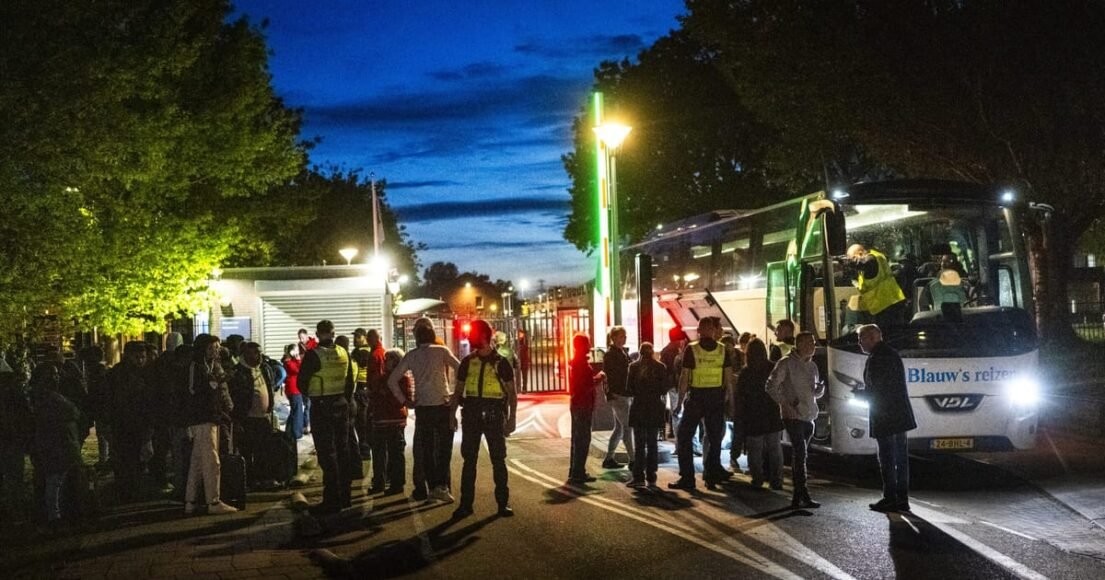
EU Negotiators Reach Agreement on New Migrant Return Law
The agreement permits countries to send individuals who have been ordered to leave the EU to “return hubs” outside the union — a measure some EU nations are already pursuing
London 2026: UK Immigration Policy Bars U.S. Commentators

Can Ethical Balance Survive in a Hypercapitalist World?
The Profit-Driven Grind
Daily, your attention is exploited,

Israeli Ministers Labeled ‘Extremist’ Confront EU Sanctions Initiative
Several EU countries have proposed sanctions against Israeli Minister of National Security Itamar Ben-Gvir for his taunting of activists detained while attempting to breach Israel’s naval blockade of Gaza in May. Israeli Prime Minister Benjamin Netanyah

Global Markets Closely Monitor Oil and Geopolitical Risks, New York 2026

Is Moral Integrity an Outdated Virtue in Today’s Society?
The New Theocracies of Consensus
Mora
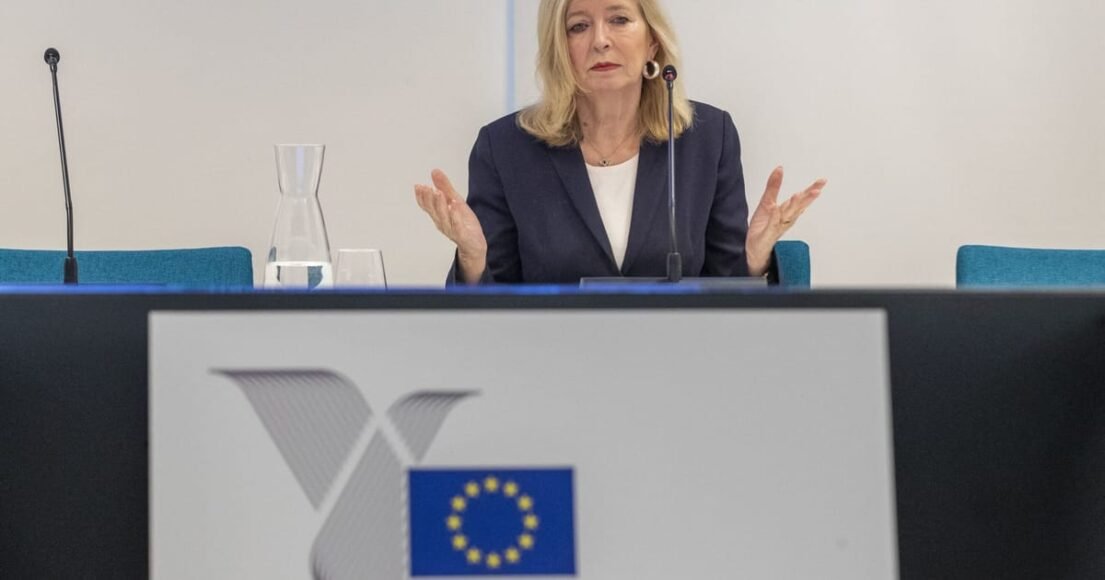
Former EU Watchdog Criticizes ‘Elitist’ Commission for Hoarding Information
O’Reilly, originating from Ireland and the EU’s first female ombudsman, expressed frequent “frustration” over the Commission’s disregard for her office’s recommendations, behaving ̶
Magyar Increases Pressure Amid Hungary Government Crisis, Budapest 2026

Is Algorithmic Bias the Latest Ethical Challenge?
The Ghost in the Code
Bias is not encountered in overt decisions bu

Leave a Reply