


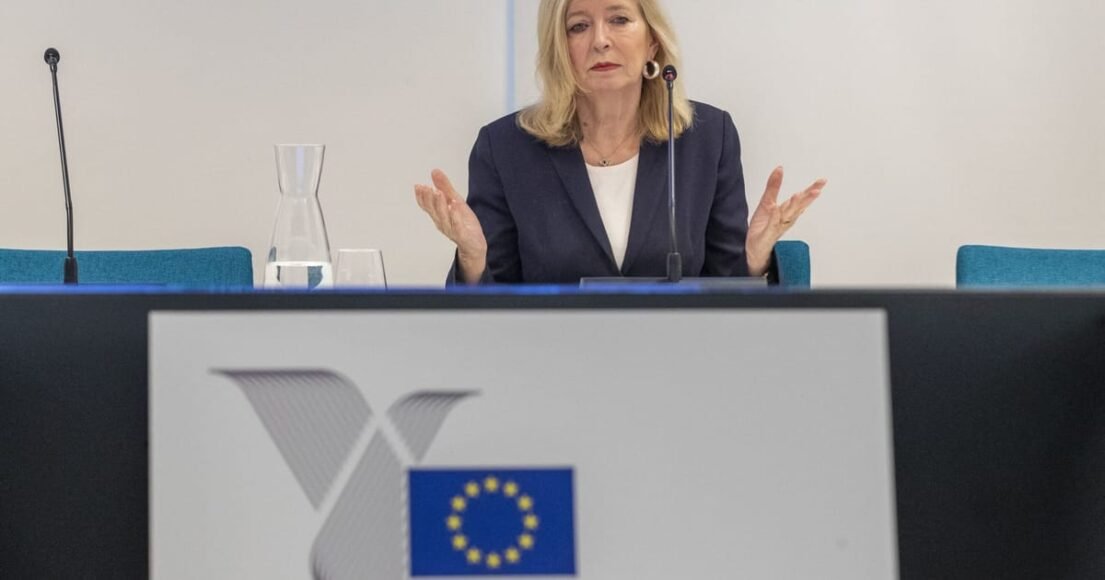
BELGRADE – Andreas Fon Bekerat, head of the EU Delegation, announced today that EU member states have not reached an agreement on opening Cluster 3 in negotiations with Serbia, but the matter will be revisited next year. He emphasized the EU’s strong desire for Serbia to join, noting that reforms and dialogue are essential for progress. “We have demonstrated our commitment with substantial support to Serbia, allocating seven billion euros from 2014 to 2027. This reflects our intention to integrate Serbia into the EU, but credible and tangible reforms are required,” Fon Bekerat stated at the European House prior to the panel discussion “From Denmark to Cyprus: How to make the EU ready for enlargement.”
He pointed out the EU’s commitment to the enlargement process, specifically mentioning Montenegro and Albania, and expressed disappointment that Serbia was absent from the Brussels summit. “This summit presented an excellent opportunity to engage with other member states and Western Balkan leaders. Dialogue is critical for advancing the enlargement process,” said Fon Bekerat. He expressed hopes for concrete reforms in rule of law, anti-corruption efforts, judicial independence, electoral reforms, and media freedom, assuring that the EU delegation is prepared to support Serbia in these areas as well as in civil society matters. He also noted that normalization of relations with Pristina is part of the negotiation framework with Serbia. Fon Bekerat congratulated Denmark on its presidency of the EU thus far.
Pernile Kadel, the Danish Ambassador to Serbia, Montenegro, and North Macedonia, stated that Denmark has strongly advocated for enlargement during its presidency and will continue supporting Serbia’s European path. She remarked that concrete advancements have been made in the Western Balkans, particularly for Montenegro and Albania, yet expressed hopes for greater progress with Serbia. “There is no question that Serbia belongs in the EU; it is a European country at the heart of Europe. However, Serbia must intensify its reform efforts to seize the opportunities presented by the ongoing enlargement process,” Kadel asserted. Regarding Denmark’s presidency, she noted it was the eighth consecutive term and particularly challenging due to the dynamic geopolitical landscape, especially the war in Ukraine. She highlighted that the theme of the Danish presidency is a stronger Europe, focusing significantly on enlargement and the necessity of initiating the process regarding Ukraine, as Europe’s security hinges on developments there.
Andreas Fotiu, the Ambassador of Cyprus to Serbia, announced that Cyprus will assume the presidency on January 1, with enlargement as one of its priorities. “We have always been staunch supporters of EU enlargement, and Serbia has a place in this policy. Cyprus, as a sincere mediator and friend of Serbia, will strive hard to advance the accession process based on Serbia’s performance over the next six months,” Fotiu stated. He added that the latest European Commission report highlights Serbia’s progress while acknowledging remaining challenges in areas identified by the Commission, such as the rule of law. “We will collaborate to achieve maximum progress and create conditions for all member states to feel confident about moving forward with Serbia’s accession negotiations,” concluded the Cypriot ambassador. (December 19)





Leave a Reply