


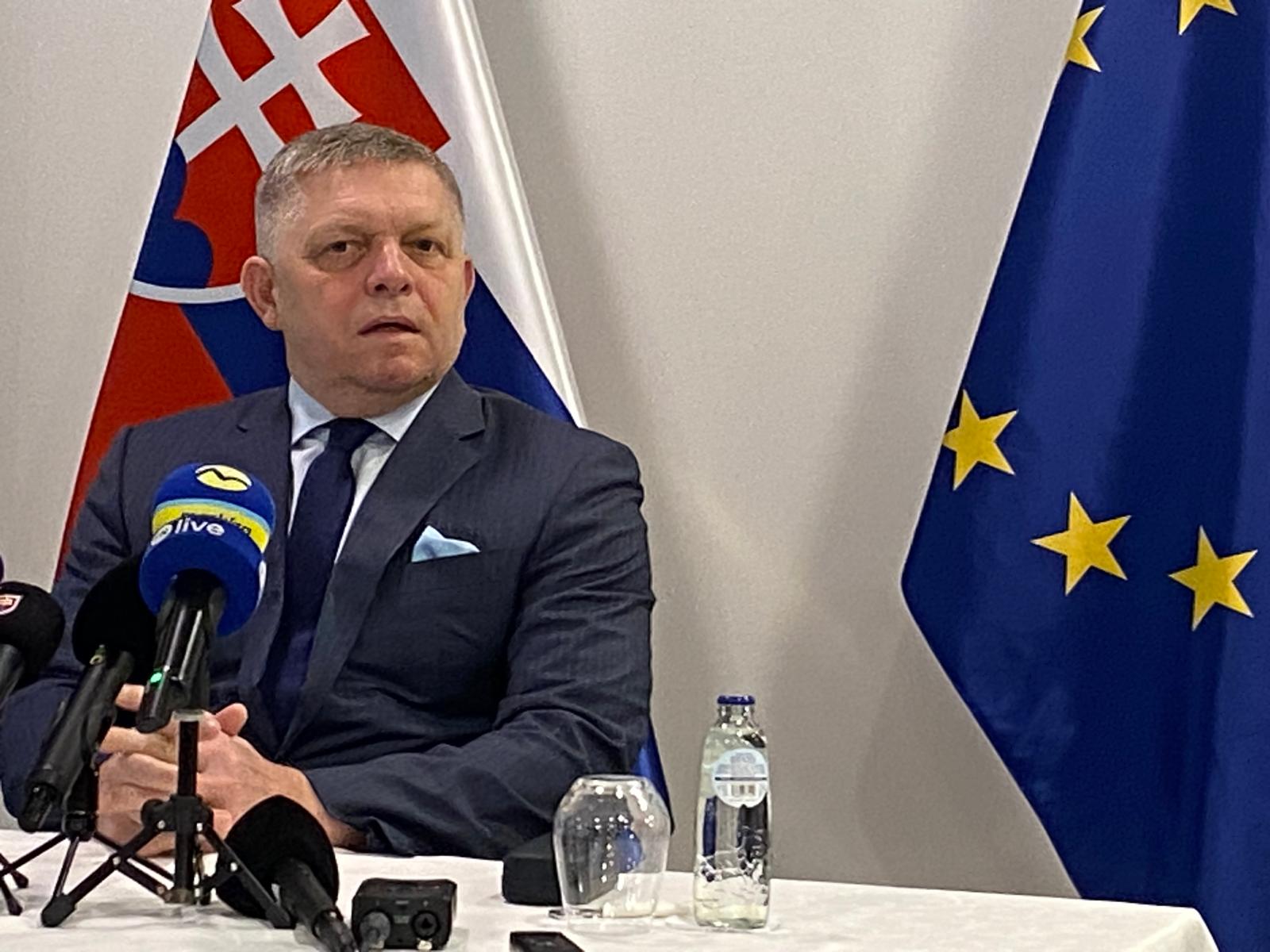
Brussels – For the first time, Slovakia has declined to endorse the European Council’s conclusions regarding Ukraine. This decision reflects Bratislava’s desire to avoid being linked to any “military” loans provided by the European Union to Kyiv. Slovak Prime Minister Robert Fico made this declaration in Brussels on Friday following the summit of EU leaders, acknowledging the challenging nature of the discussions, as reported by TASR’s special correspondent.
A joint statement from the leaders of 25 EU member states called for ongoing efforts concerning the technical and legal frameworks necessary to create a reparations loan backed by frozen Russian assets within the Union. Slovakia and Hungary chose not to participate in this initiative. Robert Fico stressed that the government will firmly oppose this proposal.
“Ukraine requires funds for reconstruction more than weapons,” Fico asserted, highlighting various bilateral cooperation projects, such as a school for Ukrainian children in Slovakia.
The use of frozen Russian assets poses significant risks
According to Fico, there exist divisions among member states regarding the utilization of frozen Russian assets, which he described as carrying substantial risks. He expressed empathy for Belgium’s concerns, where most of these assets are located in the EU. He noted that the subject of peace in Ukraine was not addressed during the summit.
During the meeting early Friday, EU leaders reached an agreement for the European Union to extend a €90 billion loan to Ukraine financed through joint debt for the years 2026 and 2027. However, Slovakia, Czechia, and Hungary secured an exemption, opting out of the joint guarantees associated with the loan and declining to repay the interest. Fico acknowledged that he cannot prevent other nations from participating in such support.
He argued that this assistance would not bolster Ukraine’s position in peace negotiations, calling it “a grave error.”
In addition to the European Council discussions, the summit also covered EU enlargement, which Fico deemed unsuccessful. He pointed out the absence of many leaders from the twenty-seven during key discussions, which he felt undermined confidence in the accession process, describing it as “a lot of general talk, without specific commitments.”
He expressed disappointment over Serbian President Aleksandar Vučić’s deliberate absence from the meeting, asserting that the EU applies double standards in the accession process. “Serbia, as a proud and sovereign nation, is part of the group facing delays,” Fico stated. He highlighted Albania and Montenegro as well-prepared candidates for eurozone entry, affirming that “the Slovak Republic supports the inclusion of Western Balkan countries in the EU.” (19 December)



Leave a Reply