


US labor law violations overseas have emerged as a growing concern as American government agencies and contractors expand their operational footprint beyond national borders. From refugee processing centers and diplomatic facilities to defense logistics and humanitarian missions, US backed activities increasingly rely on overseas labor. While these operations are intended to support global stability and humanitarian goals, allegations of labor violations raise troubling questions about compliance, ethics, and accountability.
As globalization accelerates, the responsibility to uphold fair labor standards does not diminish. Instead, it becomes more complex. The issue of US labor law violations overseas reflects systemic challenges in oversight, enforcement, and contractor management that demand closer scrutiny.
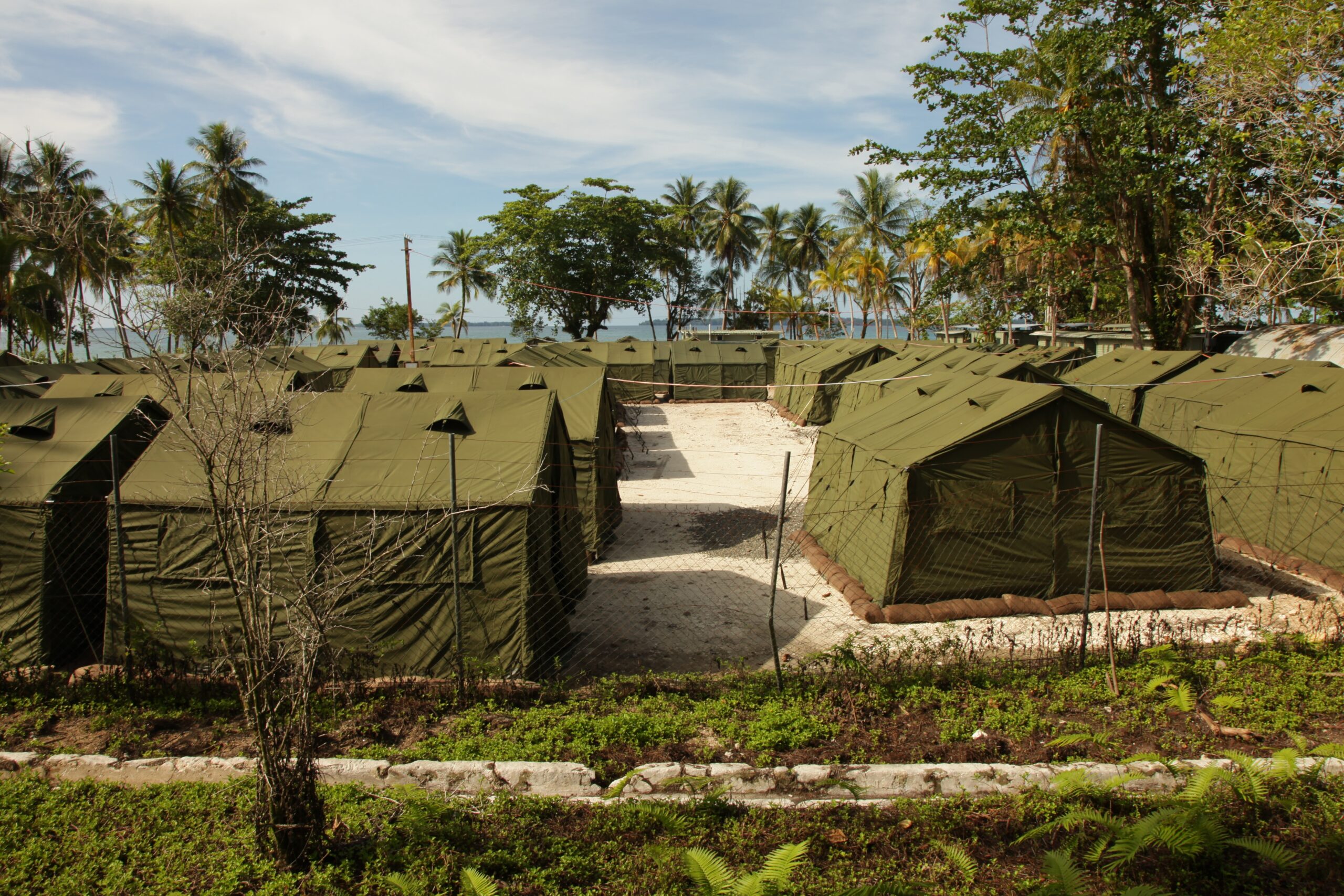
The Expansion of US Operations Abroad
Over the past two decades, the United States has significantly expanded its overseas operations. Government agencies increasingly rely on foreign facilities and local labor forces to carry out administrative, technical, and support functions. This trend has been driven by cost considerations, efficiency goals, and the need to operate closer to regions of geopolitical importance.
However, this expansion has also increased the risk of US labor law violations overseas. When operations are outsourced or relocated abroad, layers of responsibility can blur. Contractors may operate under different legal frameworks, and oversight mechanisms may struggle to keep pace with the scale and complexity of global operations.
How US Labor Laws Apply Overseas
Understanding US labor law violations overseas requires clarity on how American labor standards apply beyond domestic borders. While US labor laws primarily govern employment within the United States, American entities operating abroad are often subject to additional federal requirements tied to government contracts.
These standards may include fair wage provisions, nondiscrimination rules, worker safety expectations, and lawful hiring practices. In many cases, US contractors must comply with both local labor laws and specific US regulations. Failure to meet either standard can result in violations, penalties, and reputational damage.
The challenge lies in ensuring that compliance obligations are clearly understood and consistently enforced across borders.
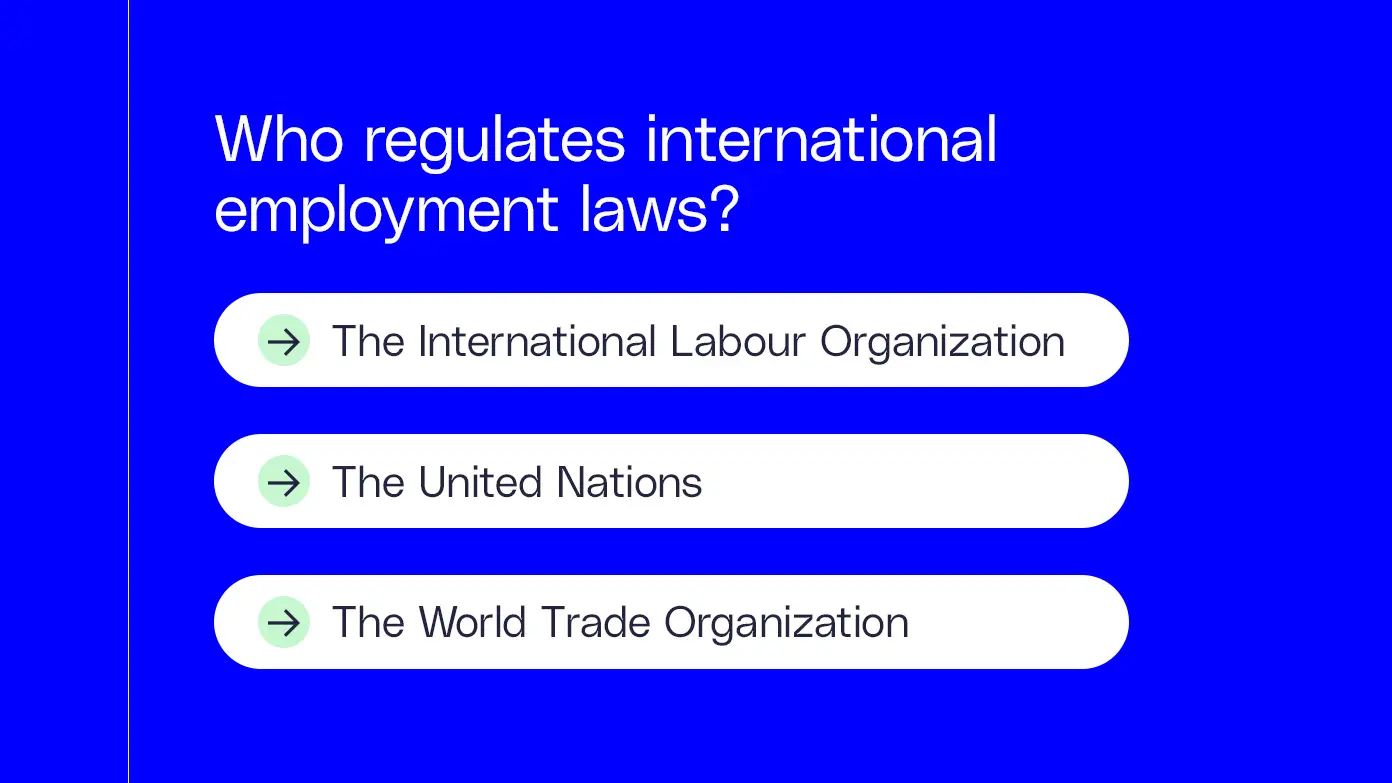
Outsourcing and Contractor Risks
Outsourcing plays a central role in US labor law violations overseas. Government agencies frequently rely on private contractors to manage overseas operations. These contractors, in turn, may subcontract work to local firms, creating long chains of responsibility.
Each additional layer increases the risk of noncompliance. Cost pressures can incentivize shortcuts in hiring, wages, and documentation. Inadequate training or oversight may allow violations to persist unnoticed. When accountability is diffuse, corrective action becomes more difficult.
Experts argue that outsourcing must be accompanied by stronger monitoring and clearer contractual obligations to prevent abuse.









Leave a Reply