



Judicial corruption in institutions poses a serious obstacle to justice, equality, and the rule of law worldwide. When judicial systems lack integrity, it undermines public trust, weakens democratic governance, and fuels wider societal corruption. This article explores the nature and impact of corruption within judicial institutions, the challenges faced in addressing it, and global efforts aimed at promoting transparent and accountable justice systems.
Understanding Judicial Corruption in Institutions
Judicial corruption occurs when judges, court officials, or related actors use their positions for improper personal gain. This can include bribery, favoritism, nepotism, manipulation of case outcomes, embezzlement of court funds, or undue influence from political or private interests. Since judicial institutions are essential guardians of law and rights, any corruption here strikes at the core of societal fairness and accountability.
Unlike other sectors, judicial corruption uniquely compromises impartiality and the fundamental right to a fair trial. This can manifest in delayed justice, biased rulings, the denial of legal remedies, or the perpetuation of illegitimate power structures. It damages both individual lives and the integrity of institutional frameworks meant to uphold law and order.
The Scope and Impact of Judicial Corruption
Judicial systems globally are vulnerable to corruption due to their discretionary powers, complex procedures, and sometimes low transparency. In some regions, corruption within courts ranks as a leading concern among citizens. For instance, Transparency International surveys in South Asia reveal that after law enforcement, the judiciary is frequently seen as one of the most corrupt public institutions.
The consequences of judicial corruption extend beyond the legal sphere:
- Erosion of Rule of Law: Corruption erodes confidence in the legal system, diminishing its capacity to enforce laws fairly and consistently.
- Economic Harm: Unjust rulings affect business environments, deter investment, and funnel resources away from equitable development.
- Social Inequality: Marginalized and poor populations are disproportionately harmed when justice is denied or bought, exacerbating inequality.
- Weak Governance: When courts fail to hold powerful actors accountable, corruption spreads unchecked into other sectors.
According to the World Bank and the World Economic Forum, judicial integrity is a vital component of strong governance, directly linked to economic growth and social stability. When judicial corruption prevails, countries face challenges in achieving sustainable development and protecting human rights.
Factors Contributing to Judicial Corruption
Multiple systemic and contextual factors create fertile ground for corruption in judicial institutions:
- Lack of Transparency: Closed-door decisions without clear accountability allow corrupt practices to flourish.
- Insufficient Oversight: Weak judicial disciplinary bodies or ineffective complaint mechanisms limit detection and sanctioning of misconduct.
- Political Interference: Unlawful influence from governments or vested interests can sway judicial outcomes.
- Poor Remuneration and Resources: Inadequate salaries and understaffing sometimes drive officials to solicit bribes.
- Cultural Norms: In some environments, bribery and favoritism are normalized or tacitly accepted.
- Complex Bureaucracy: Complicated legal processes create opportunities for rent-seeking behavior under the guise of procedural delays or technicalities.
Global and Regional Trends in Judicial Corruption
Analysis by organizations like Transparency International points to significant variations in the prevalence and perception of judicial corruption across regions. In South Asia, for example, surveys found extremely high instances of bribery demanded in interactions with courts, often second only to police corruption. In Pakistan, India, Sri Lanka, Bangladesh, and Nepal, judicial corruption remains a persistent barrier to equitable justice.
In other parts
Comments
17 responses to “Addressing Judicial Corruption in Institutions: Challenges and Solutions”
-
Ah, tackling judicial corruption is like trying to fix a leaky umbrella in a monsoon—good luck with that! ☔🤦♂️ Sounds like a great plan, but I guess we’ll just have to keep waiting for that magical unicorn of accountability to show up. 🦄💼
-
Judicial corruption? Oh, you mean that charming little hiccup in our legal system that keeps lawyers and judges on a first-name basis with cash? Just a delightful way to remind us that sometimes justice really does come with a price tag. 💸😏
-
Oh, fantastic! Who would’ve thought that the judicial system, the supposed bastion of fairness, could also moonlight as a corruption club? 🍷 Seems like integrity took a holiday and forgot to send a postcard!
-
Judicial corruption, eh? Sounds like the perfect recipe for a fair trial… if you’ve got the right cheque book, of course! 😂 Just another day in the office where “justice” means making sure the highest bidder walks free.
-
If only judges came with a “Buy One, Get One Free” offer for their impartiality, we might finally get a fair trial instead of the usual “who’s paying more” game. 😂
-
Judging by how often we hear about judicial corruption, one might think the courtroom is just a posh venue for a game of poker 🎲. But hey, who needs integrity when you’ve got connections and a well-placed bribe, right? 😂
-
Isn’t it just fabulous how our esteemed judicial institutions have mastered the art of turning justice into a bidding war? 🤷♂️ What a delightful way to keep the masses entertained while they wait for their “fair trial.” 🍵
-
Seems like tackling judicial corruption is the new trend, right? Next thing you know, they’ll be introducing a justice app with a “rate your judge” feature… 🤷♂️
-
Judicial corruption? What a delightful little hiccup in the grand opera of justice! It’s like finding a rat in your Michelin-starred restaurant—just adds that authentic European twist, doesn’t it? 🍷🧀
-
Seems like the justice system’s more about ‘pay-to-play’ than ‘innocent until proven guilty’ these days. Who knew that the gavel doubles as a cash register? 💸🤷♂️
-
Judging by the lovely state of our judicial systems, I see we’ve finally found a way to turn the scales of justice into a bit of a balancing act—who knew corruption could be such a popular sport? 🎭🙄
-
Oh great, just what we needed—another riveting piece on judicial corruption! Because nothing says “trust in our legal system” quite like a little bribery and favoritism, am I right? 😂
-
Judging by this piece, it seems like some folks still believe that justice is served on a silver platter rather than behind closed doors, eh? 🤔 Just what we needed, another reminder that the gavel can sometimes sound more like a cash register! 💸
-
Just what we needed, another deep dive into a topic that’s about as surprising as finding a baguette in Paris – judicial corruption, eh? Who would’ve thought that the folks in robes might not always be above board? 😂
-
Judicial corruption, eh? Just what we needed—a proper circus with judges as ringmasters! 🎪 But hey, as long as the paychecks keep coming, who needs integrity, right? 💸
-
Typical, isn’t it? Just when you thought you could trust the system, it turns out the judges are just as dodgy as your uncle at a family wedding — all about that ‘personal gain’! 😂💸
-
Judicial corruption? What a surprise! It’s not like we expected our “impartial” judges to moonlight as bribery brokers. 😂

Last News
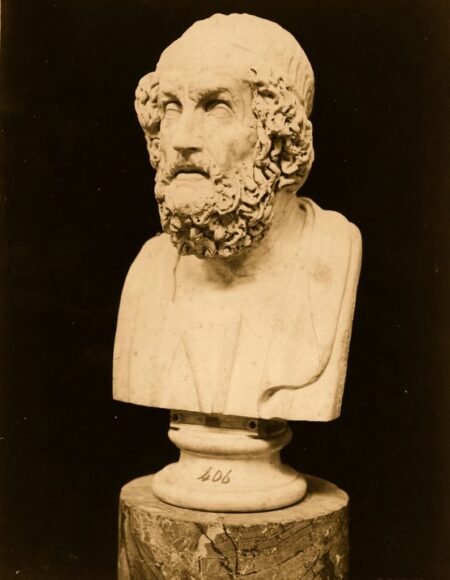
Greece Aims to Capitalize on Odyssey ‘Hype’

Aldi Recalls Zucchinis Due to Pesticide Levels in Belgium
Brussels, 24 August (Eurotoday Newspaper) – Aldi Belgium has recalled a batch of courgettes sold in its stores after excessive levels of the pesticide heptachlor were identified, with customers being told not to eat the affected vegetables. The Aldi courgette recall covers two-piece packs sold between 10 and 22 August 2026.
The recall is being carried out by Aldi Belgium on behalf of supplier Fr

Saudi Arabia to invest €6B in massive French theme park site

65-Year-Old Motorcyclist Injured in Hasselt Collision Sunday Evening
Hasselt (Brussels Morning Newspaper) – A 65 year old man from Hasselt sustained injury on a Sunday evening due to an accident involving a passenger car and a motorcycle in the city of Hasselt, situated in the Limburg province in Belgium.
This occurred within the police district of Limburg Regio Hoofdstad (LRH) that includes the Hasselt city and nearby municipalities. Based on reports by the loc

Rising Threats Confront Mediterranean Rescue Ships
SOS Méditerranée highlights increasing intimidation by vessels linked to Libya as UN data reveal a deadlier Central Mediterranean despite fewer crossings.
A humanitarian group warns of growing threats against migrants and rescue ships in the Central Mediterranean, including high-speed chases and violent interceptions by Libyan-linked vessels. SOS Méditerranée raises this concern as new Internati
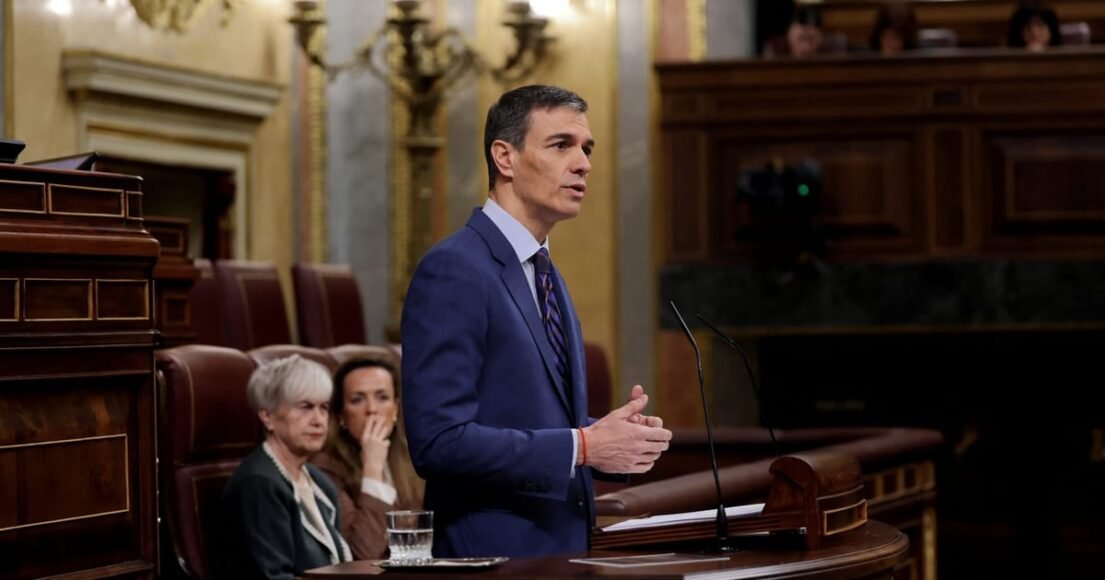
Spain’s Sánchez Calls National Security Meeting 26 Days Into Ceuta Migration Crisis
Madrid

Colette Sauvage Reflects on 70 Turbulent Years of Marriage to Philippe Bouvard
Cannes, France, 24 August (Eurotoday Newspaper) – Colette Sauvage’s seven-decade marriage to French broadcaster Philippe Bouvard endured fame, long absences and serious marital strains, with his wife once revealing that she had even put his suitcases outside the door during difficult periods in their relationship.
The couple married in 1953 and remained together for more than 70 years, until Bou

Six EU Countries Aim to Tax Oil Windfall Profits

Star News Anchor Resigns as Partner Enters French Presidential Race

Arsenal Injury Update: Tzolis Shines and Odegaard Regains Form in London
London, 22 August (Brussels Morning Newspaper) – Arsenal have received an encouraging Arsenal injury update on Bruno Guimaraes after the midfielder missed their 3-0 Premier League victory over Coventry City, while Christos Tzolis and Martin Odegaard provided Mikel Arteta with plenty of encouragement at the other end of the pitch.
The champions made a confident start to their title defence at the
Leave a Reply