



Warsaw (Eurotoday) – Poland also objects to the EU-Mercosur free trade deal with South American countries in its current form, joining France in standing against an arrangement European farmers say will expose them to unjust competition.
Polish Prime Minister Donald Tusk has stated that Poland will not accept the free trade agreement between the European Union and the Southern Common Market (Mercosur) in its current format. The Polish government is meeting to examine a draft resolution drafted by the Ministry of Development and Technology on the negotiations for a free trade agreement between the European Union and the Mercosur bloc, which includes Argentina, Brazil, Paraguay, Bolivia and Uruguay.
What are Poland’s main objections to the Mercosur agreement?
PM Tusk expressed: “The Council of Ministers voices its opposition to the current results of negotiations with Mercosur in the area of agriculture, in particular to the expansion in tariff quotas for poultry meat at the last stage of the exchange of tariff offers.” He further said that it was a political announcement that Poland would not accept the EU-Mercosur deal in its current form. “We are not alone; many member states have a similar opinion,” Tusk said.
French President Emmanuel Macron already reiterated his objection to a contract with Mercosur as proposed during a visit to Argentina this month. France, the EU’s largest agriculture producer, has been trying to persuade other EU members to form a minority coalition against the deal. Moreover, Farmers say the deal with the Mercosur bloc which includes Brazil, Argentina, Bolivia, Paraguay and Uruguay will initiate unfair competition for EU farmers and food makers as it will permit large imports of products that are not bound by the same strict principles they face in the EU.
What is Brazil’s stance on the Mercosur trade negotiations?
On the other hand, Brazil has been trying to have the EU-Mercosur deal signed by the end of the month while it carries the presidency of the G20. Advocates of the deal, including the EU’s biggest economy Germany, state it will open up more markets for their exports.
What is the deal about?
It seeks to create one of the largest free trade zones in the world, surrounding 700 million people and almost 25% of global GDP. Much like the U.S.-Mexico-Canada free trade arrangement, its goal is to decrease tariffs and trade barriers, making it more comfortable for businesses on both sides to export goods. For the EU, the deal would signify lower tariffs on products like cars, machinery and chemicals. Mercosur nations would profit from better access to EU markets for agricultural exports such as beef, poultry and sugar. Negotiations started in 1999 and an initial understanding was reached in 2019, but it remains unsettled due to significant resistance, particularly from France and EU farmers.
Comments
One response to “Poland Aligns with France to Oppose EU-Mercosur Agreement”
-
Just what we needed—a trade deal that promises to make our farmers cry into their borscht while South American beef floods our markets 🌍🥩. Bravo, Tusk and Macron! Nothing like a good old-fashioned food fight to spice up diplomacy, eh? 😏

Last News
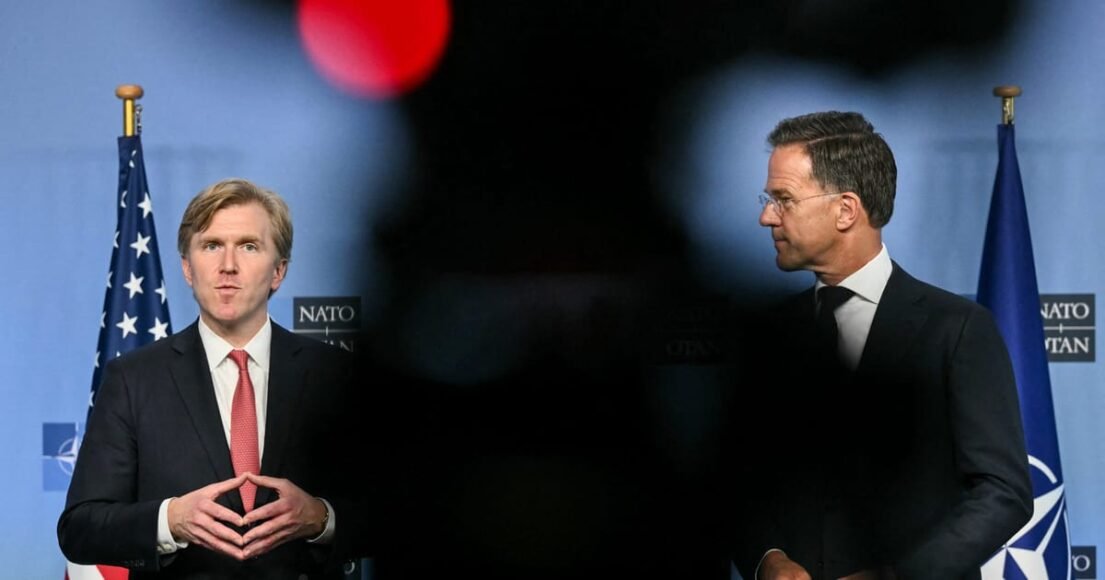
US Questions NATO Allies About Military Support Amid Consideration of Further Troop Cuts
During a recent meeting with envoys, “allies participated in a ‘beauty contest’,” a NATO diplomat remarked, indicating that each was showcasing their country’s implementation of NATO 3.0, an initiative aimed at encouraging Europe to take charge of its conven

Royal Antwerp Nearing Deal to Sign Barcelona Defender Álvaro Cortés
Antwerp (Eurotoday Newspaper) – Royal Antwerp FC are on the brink of securing a high‑profile defensive reinforcement from FC Barcelona, with 21‑year‑old Spanish centre‑back Álvaro Cortés poised to join the Belgian side in a permanent transfer that includes strategic clauses for the Catalan club.
What exactly is the deal?
The transfer, which has been hailed by prominent insiders as basically fina

Bas, Klingbeil und die SPD: Verloren im Osten
In the capital, SPD is also trailing in the polls. Top
Pre-Opening License Required for New Hospitality Venues in Sint-Niklaas
Sint-Niklaas (Eurotoday Newspaper) – Sint-Niklaas is tightening control over its hospitality sector by requiring all new horeca businesses to obtain a municipal operating license at least 45 days before opening, a move aimed at preventing “ghost openings” and catching safety and compliance failures before doors unlock.
Why is Sint-Niklaas introducing a pre-opening license now?
The city contends

4 Takeaways from France’s First Presidential Debate
Le Pen, known for her Euroskeptic views and previous desire to have France exit the EU, announced she would reduce France’s financial contribution to Brussels by €5 billion if she were president.
Le Pe
Tielt Initiates Neighborhood Care Drive to Support Elderly Living at Home
Tielt – The city of Tielt in West Flanders has started a new project for the care of neighborhoods that will assist old and dependent individuals to stay at home for as long as possible. In the first week of September, the municipal welfare office will organize face-to-face meetings that will help the needy people get in touch with the volunteers.
Why is Tielt launching a new neighbourhood-care

Dogmatic Controversy with Donatism (4)
The Donatists occasionally referenced the era of St. Cyprian, claiming the Church was pure in his time. Augustine discusses how, despite St. Cyprian’s severe judgment of the wicked, he maintained ecclesiastical communion with them, sharing the Lord’s Bread and Cup with unworthy individuals, including bishops. If the Church had perishe

Présidentielle : les 8 temps forts des candidats devant le Medef
Simultanément, Le Figaro a annoncé qu
Dutch National Receives Suspended Sentence in Belgium for Domestic Violence
Bilzen (Eurotoday Newspaper) – A Belgian court sentenced a 24-year-old Dutch man from Bilzen to suspended imprisonment on Thursday because of “intimate terrorism” as prosecutors stated, when the man’s girlfriend testified that she was physically abused with her baby in her arms, who she had to let down to be hit herself. In Tongeren criminal court he received 20 months of suspended jail time, a

Why Snowplows Spread Salt in 40-Degree Heat
Salt on Dutch Highways in Summer
Using snowplows to spread salt on highways in the summer might appear bizarre but is a planned maintenance protocol in the Netherlands. When temperatures rise above 40°C, the Dutch infrastructure agency employs these measures to safeguard the pavement.
Thermal Ove
Leave a Reply