


Belgium, a vibrant and diverse country at the crossroads of Europe, offers a wide array of housing options suited to its multicultural population and economic landscape. Whether you are an expat moving to Belgium for work or study, a local looking to settle down, or an investor exploring property markets, understanding the types of housing available—and how the market functions—is essential.
Overview of Housing in Belgium
Housing in Belgium is characterized by a mix of property ownership and rental arrangements, with a uniquely strong tenant protection system that makes renting a secure and attractive option.
According to Eurostat, approximately 40% of Belgians live in semi-detached houses, reflecting the country’s emphasis on family homes with modest gardens. Additionally, the OECD notes that a large portion of the population owns property with outstanding mortgages, indicating a balanced market between ownership and renting.
Compared to neighboring countries, Belgium’s housing is generally more affordable, although transaction costs such as registration fees and notary charges can elevate the total expense of buying property. Expats often find renting an easier entry point, avoiding the complexities of buying in a foreign market with region-specific regulations.
Common Types of Housing in Belgium
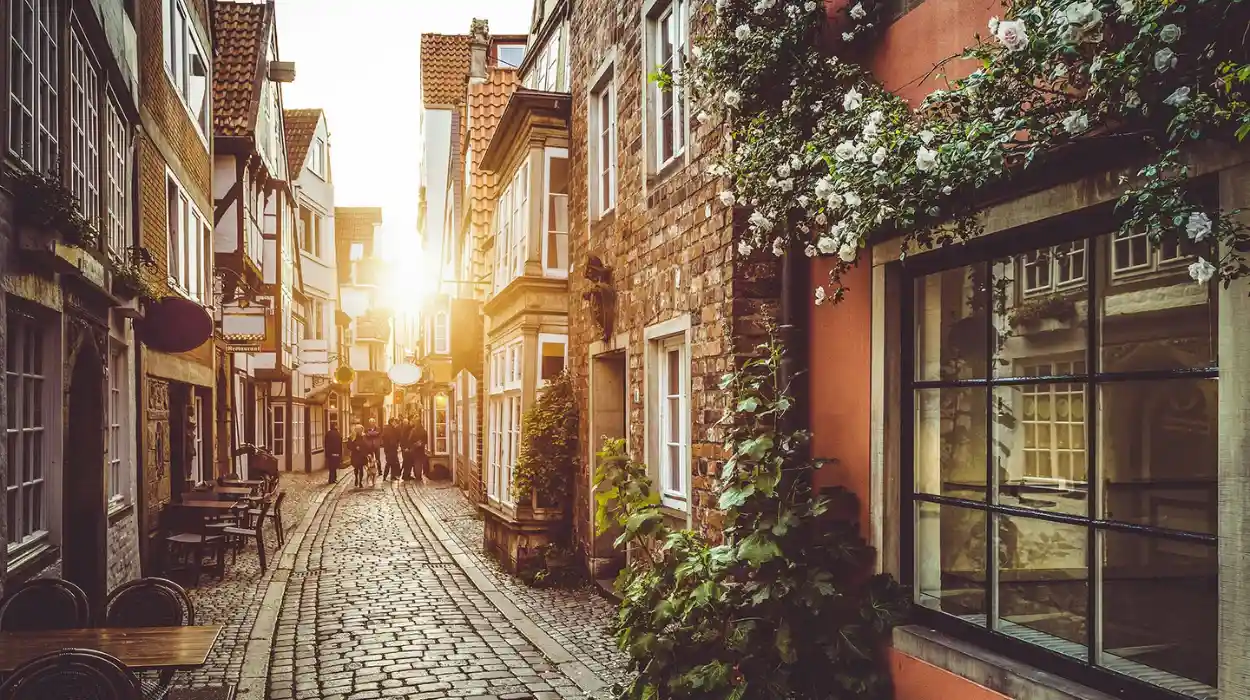
Belgium offers a variety of housing types that cater to different lifestyles, family sizes, and budgets. Here’s a detailed look at the most prevalent options:
1. Apartments and Flats
Apartments (flats) are common in urban and suburban areas and range from studio units to multi-bedroom dwellings. Many older cities feature historic buildings converted into apartments, while newer developments offer modern, energy-efficient designs.
Renting or purchasing an apartment is popular among young professionals, singles, and small families, especially in cities like Brussels, Antwerp, and Ghent.
2. Semi-Detached Houses
Semi-detached homes, sharing a common wall with one neighboring house, are the most widespread housing type in Belgium. These homes typically provide a private garden or yard, making them attractive to families who want a balance of space and affordability.
These houses can be found both within city limits and in the periphery, offering diverse neighborhood environments.
3. Detached Houses
Detached houses stand alone without shared walls and usually offer more extensive outdoor space and privacy. These homes are common in rural and suburban areas and appeal to residents seeking more significant investments in their property.
Detached homes tend to be pricier and entail higher maintenance responsibilities.
4. Terraced Houses (Row Houses)
These are a string of identical or mirrored houses sharing side walls, prevalent in working-class neighborhoods and some urban centers. Terraced houses maximize space efficiency and community living, with varying styles ranging from historic to contemporary.
5. Social Housing
Belgium also provides social housing, which is subsidized accommodation aimed at individuals and families on lower incomes. These housing units can be apartments or houses maintained by social housing associations and offered at reduced rent.
Availability varies by region, and eligibility requires meeting specific income and residency criteria.
Housing in Belgium for Foreigners: Renting vs Buying
Foreign residents have access to all forms of housing in Belgium without restrictions on property ownership, regardless of residency status. Renting is often preferred by expats who value flexibility and wish to avoid the upfront costs and obligations of home buying.
Renting markets are generally stable with well-regulated contracts that offer tenants










Leave a Reply