


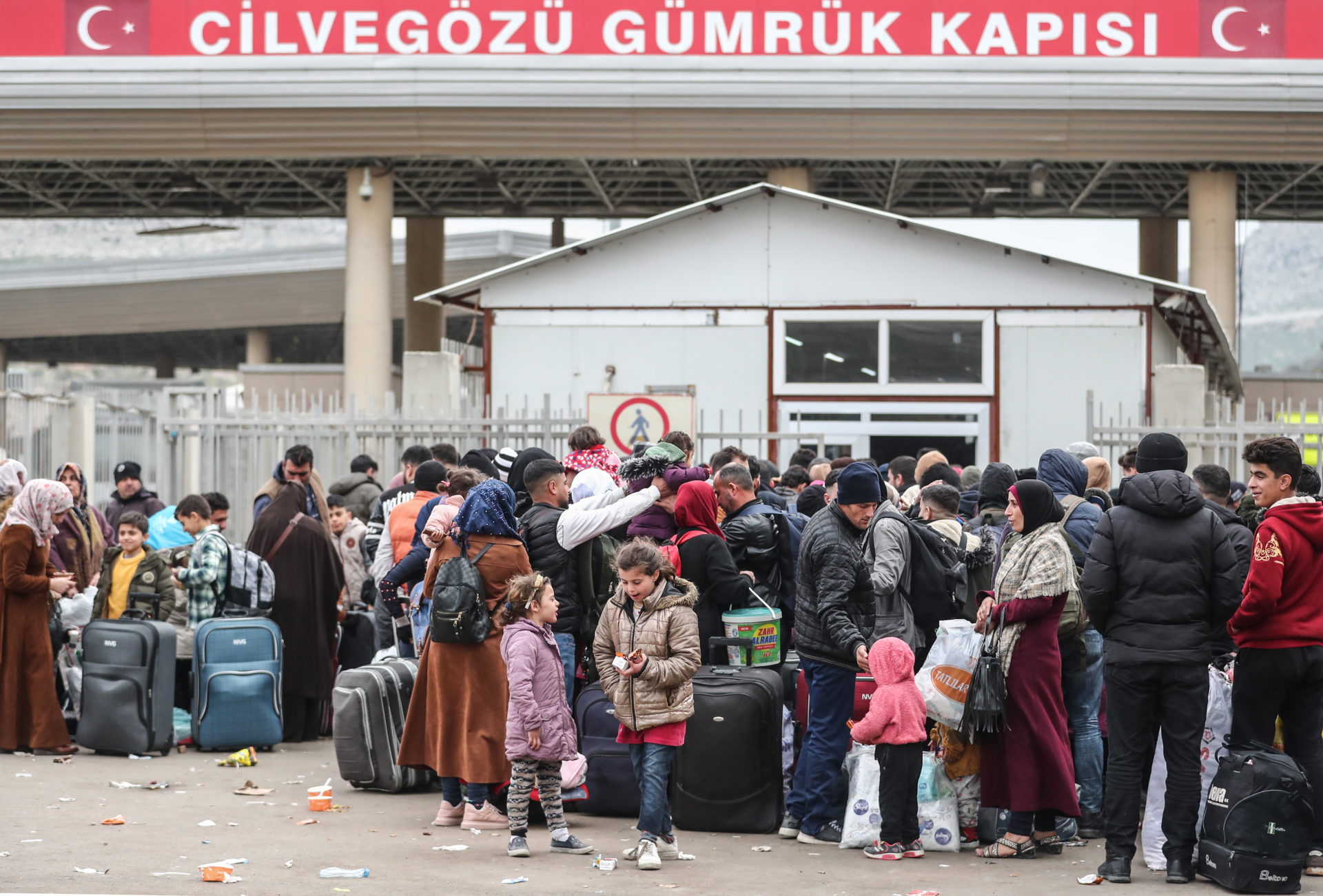
The proposal by the Social Democrats in 2018 to create a Danish reception center for asylum seekers abroad faced immediate backlash, including from Brussels.
However, there are emerging signs that this concept may gain wider acceptance within the EU.
On Monday, Immigration and Integration Minister Rasmus Stoklund (S) will lead a crucial ministerial meeting in his capacity under the Danish EU presidency.
This meeting could result in an agreement among EU nations to establish a legal framework for reception centers outside the EU.
– I am cautiously optimistic, as an increasing number of EU nations are voicing their interest in setting up reception centers outside Europe, says Rasmus Stoklund.
The intent behind these reception centers is to ensure that asylum processing occurs outside the EU in the future.
This aims to limit the influx into Europe and prevent individuals who are denied asylum from remaining in Europe without legal grounds, a situation often seen today.
The existing EU asylum regulations allow member states to refuse to process an asylum application if the applicant can be sent to a safe third country where they can apply for asylum.
This provision theoretically enables the establishment of reception centers in third countries.
Nevertheless, EU regulations impose specific conditions regarding the relationship between the asylum seeker and the third country, which complicate the transfer of asylum seekers for processing outside Europe.
Denmark’s opt-out on justice and home affairs enabled the then single-party Social Democrats government to advance this idea.
Rasmus Stoklund is hopeful that on Monday, EU countries will agree to relax EU regulations, allowing for the collective transfer of spontaneous asylum seekers from the EU to reception centers outside Europe.
– We have identified a legal hurdle within EU regulations that we in Denmark have taken the initiative to address. Achieving this would represent a significant advancement, says Rasmus Stoklund.
However, even if an agreement is reached, there remains a considerable distance before these reception centers become a reality.
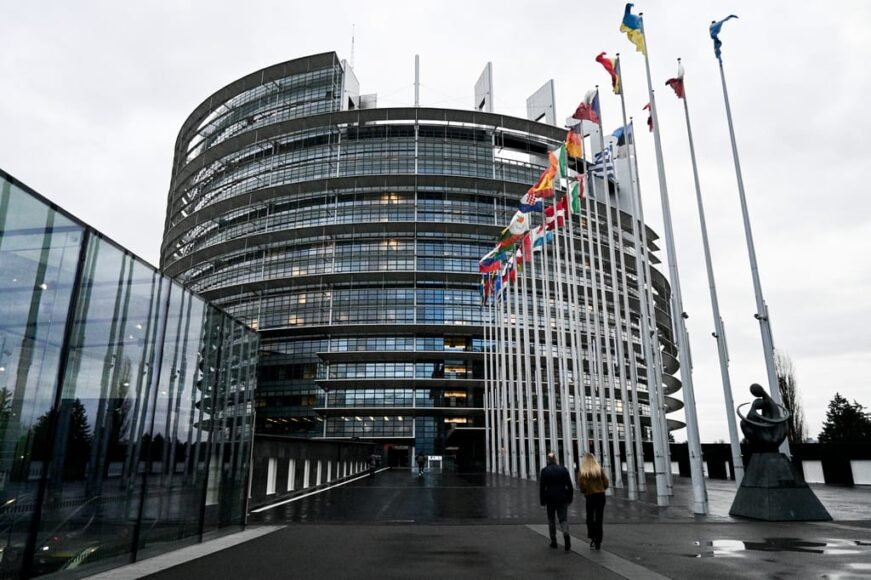
Should consensus be achieved among EU nations, the new regulations will also need to be negotiated with the European Parliament before they can become enforceable legislation.
The European Parliament has generally been more cautious about tightening asylum regulations compared to EU nations.
Nevertheless, following last year’s European Parliament elections, Ursula von der Leyen’s conservative EPP group has gained a renewed opportunity to build a right-leaning majority, circumventing the centrist coalition that initially supported her ascension to power.
Once the legal framework is established, the next step will be to identify one or more countries outside the EU willing and capable of receiving asylum seekers while upholding their human rights.
This is a task that experts have frequently highlighted as particularly challenging.
– Such cooperation requires a degree of patience.
– I firmly believe that the courts will not be able to obstruct this, as EU nations are obligated to provide protection, but it doesn’t necessarily have to be within Denmark, for example.
– Thus, we can establish a framework for reception centers while simultaneously fulfilling our international obligations, concludes Rasmus Stoklund.









Leave a Reply