


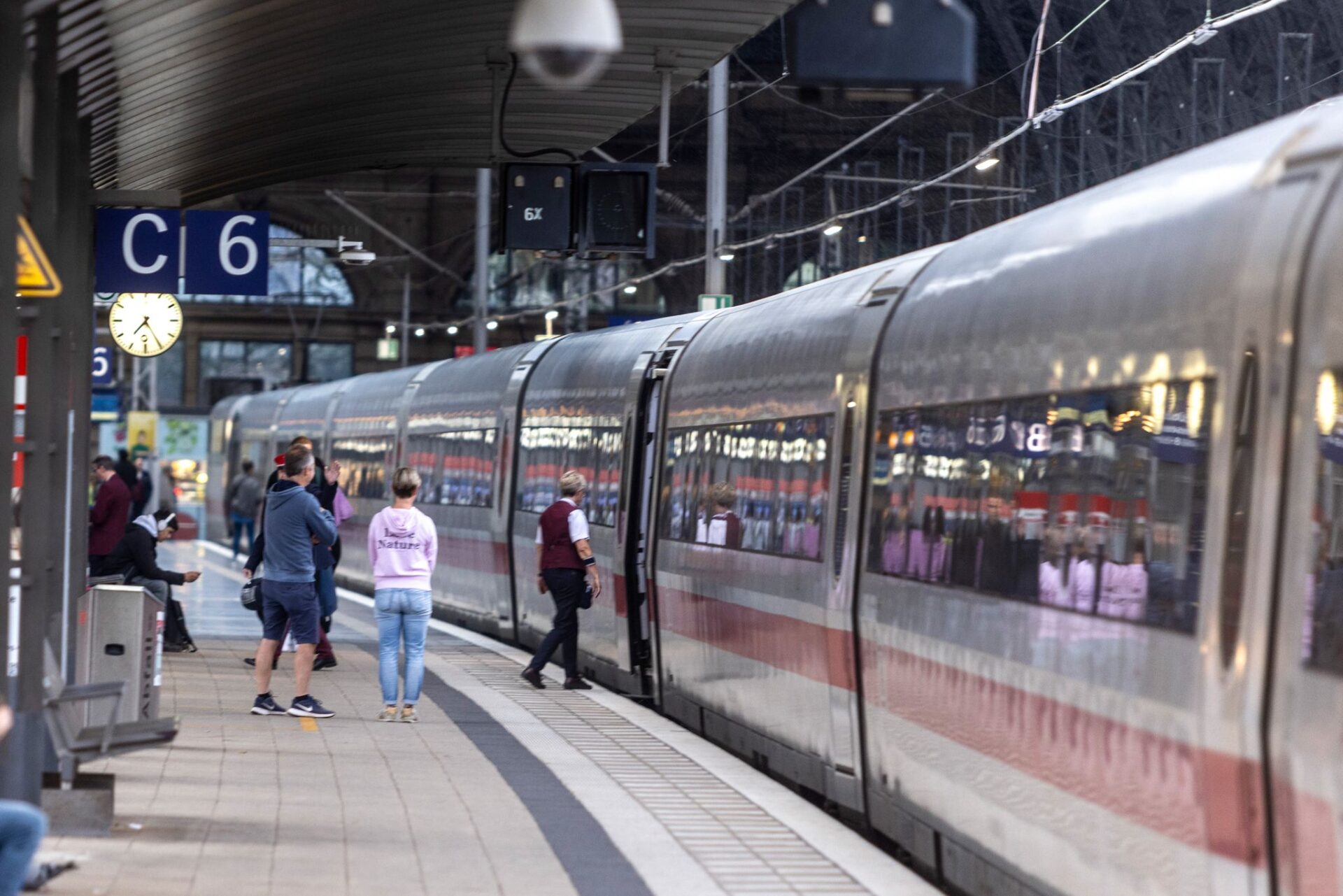
Brussels (ANSA) – The European Commission has announced an ambitious goal to develop a comprehensive high-speed railway network by 2040. This initiative includes a series of legislative measures, some of which are already in progress. The network will consist of a combination of newly constructed lines and upgraded existing routes, connecting major cities and capitals across Europe, including those in candidate countries.
An exciting development set to launch in 2026 is the introduction of a seamless online ticket purchasing system for train journeys throughout Europe, essentially creating a euro-ticket. “We have all the necessary conditions to establish a more efficient railway network with affordable pricing, enhancing cohesion across the continent,” stated executive vice president Raffaele Fitto alongside Transport Commissioner Apostolos Tzitzikostas.
“This plan will unite citizens, making Europe more cohesive and effective.” If all goes as planned, in under 15 years, travel times will significantly decrease: a journey from Tallinn to Riga will take just 1 hour and 45 minutes, while the trip from Riga to Vilnius will be reduced to around 2 hours (currently 6 and 4 hours, respectively). In Northern Europe, the travel time between Copenhagen and Berlin will drop from 7 to 4 hours. Central European travelers will experience a cut in time from Berlin to Vienna via Prague, from over 8 hours to 4 hours and 30 minutes.
In Southeastern Europe, trips from Sofia to Athens will take 6 hours instead of over 13, and Budapest will be connected to Bucharest in 6 hours and 15 minutes instead of the current 15. In the southwest, the duration between Madrid and Lisbon will decrease from 9 hours to approximately 3 hours, while travel from Madrid to Paris will be cut from 9 hours and 50 minutes to 6 hours.
Finally, a journey from Munich to Rome will take just 6 hours. This improved train service will become more competitive with air travel on many routes, thanks to the convenience of traveling from city center to city center. This development is expected to contribute to a further reduction in emissions across Europe, benefiting both passenger travel (with a resurgence of sleeper cars) and freight transportation, as the network will accommodate increased capacity (November 5).









Leave a Reply