


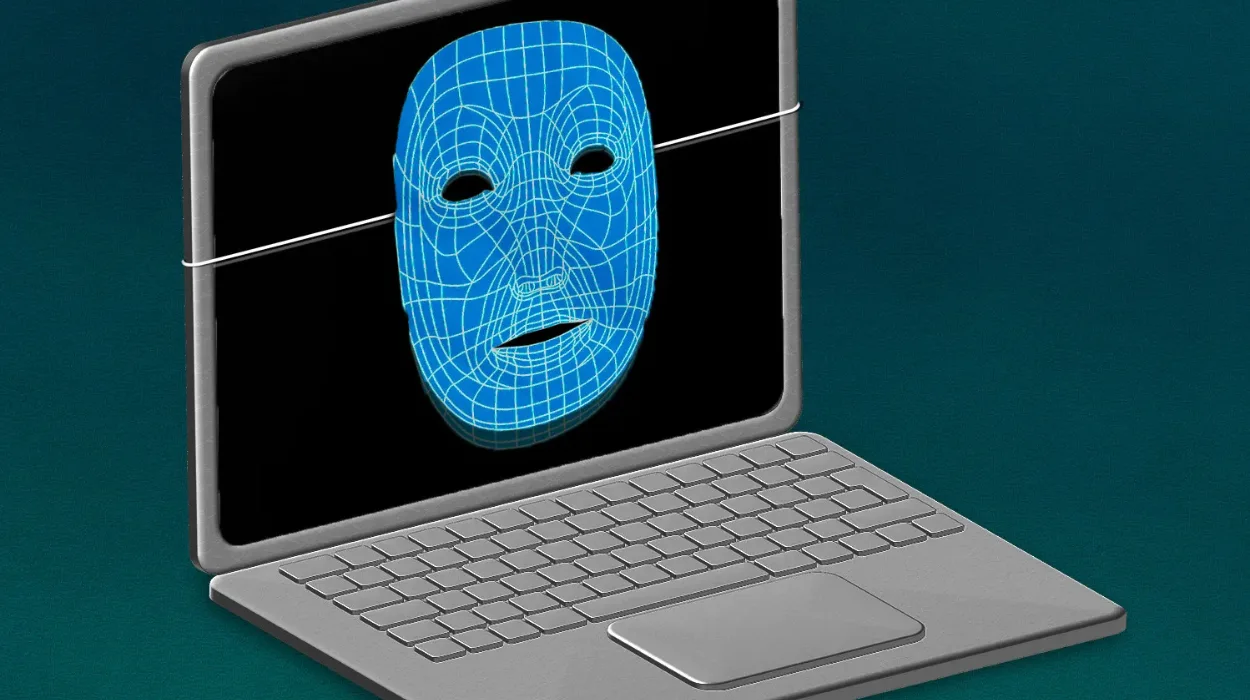
Artificial intelligence is often described as a latent threat to corporate data sovereignty. If you don’t want to expose yourself to this threat, you need to develop strategies and tactics for using AI securely and productively. VNC explains the most important parameters of Confidential AI.
Artificial intelligence and confidential computing are in a seemingly irresolvable tension: on the one hand, AI poses a latent threat to confidential computing, but on the other hand, it can help in its implementation. The magic word for resolving this contradiction is blank” rel=”noopener”>confidential AI. It describes a concept for dealing with AI that identifies the major uncertainty factors and makes them manageable. Data and data sovereignty come first. In addition, AI can be used in a targeted and secure manner to optimize collaboration and communication applications. VNC, a leading developer of open source-based enterprise applications, explains the key elements:
- Decentralized LLMs: Large Language Models (LLMs) typically run on the vendors’ proprietary hyperscaler platforms. What happens to the data there is unknown. Therefore, it makes sense to download the LLMs to your own platforms using appropriate toolkits (such as Intel OpenVINO). This way, both the data and the applications remain in your own data center and are protected from unauthorized access.
- Local AI for application optimization: Stripped-down models of these LLMs can be integrated directly into applications in dedicated software stacks. AI functions such as intelligent assistants can be integrated directly and transparently at any time. They are also potentially available to all applications in the same form across modules via modular platforms.
- Train models using local knowledge bases: LLMs are usually trained with large amounts of data. By using LLMs locally, they can also be trained and optimized quickly, specifically and practically, by querying the company’s own database. This also makes them transparent and auditable at any time.
- Acceleration through indexing: In addition, access to the local knowledge base can be accelerated by indexing the databases. Queries are no longer made against the entire database but only against the indexes. This increases speed, availability and accuracy – and therefore productivity.
- Open source: Open source is the natural enemy of proprietary systems. In order to avoid vendor lock-in, not only should chronically non-transparent vendor-specific AI platforms (PaaS) be avoided for confidential computing, but open source should also be the first choice for AI applications at the software level (SaaS).
“Confidential AI gives companies and users back the sovereignty over their own data and applications,”
emphasizes Andrea Wörrlein, Managing Director of VNC in Berlin and Member of the Board of VNC AG in Zug.
“Artificial intelligence can thus be used in a secure, targeted, independent and practical way to increase productivity and job satisfaction.”
Dear reader,
Opinions expressed in the op-ed section are solely those of the individual author and do not represent the official stance of our newspaper. We believe in providing a platform for a wide range of voices and perspectives, even those that may challenge or differ from our own. We remain committed to providing our readers with high-quality, fair, and balanced journalism. Thank you for your continued support.
Comments
2 responses to “The 5 Essential Components of Confidential AI”
-
Confidential AI, eh? Sounds like the perfect blend of “trust us, it’s safe” and “but we can’t tell you how” – just like a good European coffee, strong enough to keep you up at night pondering your data privacy! ☕️😏
-
Oh joy, just what we needed – another buzzword salad about AI that’s supposedly “confidential.” Because nothing screams security like putting your data in a fancy box and hoping for the best! 😂

Last News
Merz’ neue Machtzentrale — mit Miriam Hollstein
Thema sind auch Fritz Güntzlers nächtlicher Rücktritt per SMS aus dem Verkehrsressort und die unsichere Zukunft von Wirtschaftsministerin Katherin

Europe Confronts Stagnation Crisis Triggered by Maritime Energy Surge
Eurotoday is a daily online newspaper based in Belgium. BM publishes unique and independent coverage on international and European affairs. With a Europe-wide perspective, BM covers policies and politics of the EU, significant Member State developments, and looks at the international agenda with a European perspective.

Cryptoarchaeology
Amidst the fluctuations of cryptocurrency markets, a novel occupation has quietly emerged in the tech realm—digital archaeologists. These professionals, including software engineers, cybersecurity experts, and codebreakers, focus on retrieving or unlocking billions in bitcoins lost at the dawn of digital currency.
Recent blockchain analysis reveals about 20% of all bitcoins are irretrievably los
China Retaliates Against EU Sanctions on Defense and Tech Firms
This represents Beijing’s most direct and forceful reaction to EU sanctions listings, which it condemned as “egregious.” Recent studies estimate that up to 90 percent of sanctioned goods reaching Russia are

Consumer Finance Policy Spotlight as CFPB Nominee Considers Workforce Plans
Washington, D.C., July 23 Eurotoday Newspaper — Trump consumer finance policy returned to the center of attention after President Donald Trump’s nominee to lead the Consumer Financial Protection Bureau (CFPB) told senators he would keep an open mind on proposals to significantly reduce the agency’s workforce. During his Senate confirmation hearing, the nominee said any staffing decisions would b

Brussels Warns Google
Nina Warken Appointed Chancellery Chief by Merz in Cabinet Reshuffle
Carsten Linnemann, the CDU’s secretary general, will succeed Warken as health minister.
Philipp Amthor, the state secretary in the digital

UK Defence Preparedness Highlighted Following Iran’s Warning on US Bombers
London, July 23 Eurotoday Newspaper — UK defence readiness has come under renewed attention after the British government confirmed its armed forces are prepared to defend the country following an Iranian warning related to US bomber deployments in the Middle East. Officials said the UK continues to monitor the security situation closely while working with NATO allies to protect national interest

ECB Allows Europeans to Select the Euro’s New Design
The central bank has proposed ten designs for future banknotes, inviting public feedback on culture, nature, access, and trust in cash
The European Central Bank has initiated a public vote on the future design of euro banknotes, urging Europeans to engage with ten proposed designs before a final decision by the end of 2026. This redesign, the first comprehensive refresh since euro cash was intro
Will Europe Embrace Britain’s New Prime Minister?
Host Anne McElvoy engages with two experts familiar with the complex UK-EU relationship. Sylvie Boulard, France’s defense minister in 2017 and a former MEP, advised Emmanuel Macron on
Leave a Reply