



BRUSSELS – Former Lithuanian Foreign Minister Gabrielius Landsbergis warns that a “bad agreement” in Ukraine, especially one that acknowledges Russian occupation of significant territories de facto rather than de jure, could diminish American influence in Eastern Europe and create uncertainty about NATO’s commitment to defend the eastern flank, particularly in more vulnerable regions like the Baltics. He cautions Western Europe, which he believes has a “different sensitivity” to the threats from Moscow, against seeking a “gray area” for agreements with Vladimir Putin.
In an interview with ANSA, Landsbergis expressed concern that if an agreement in Alaska favored Russia regarding occupied territories, Europe might accept it in lieu of US support for Ukraine, as it would not constitute official recognition. He noted similar sentiments from NATO Secretary Mark Rutte, fearing a narrative is forming to justify such acceptance, which would settle for “the bare minimum” to avert a larger crisis.
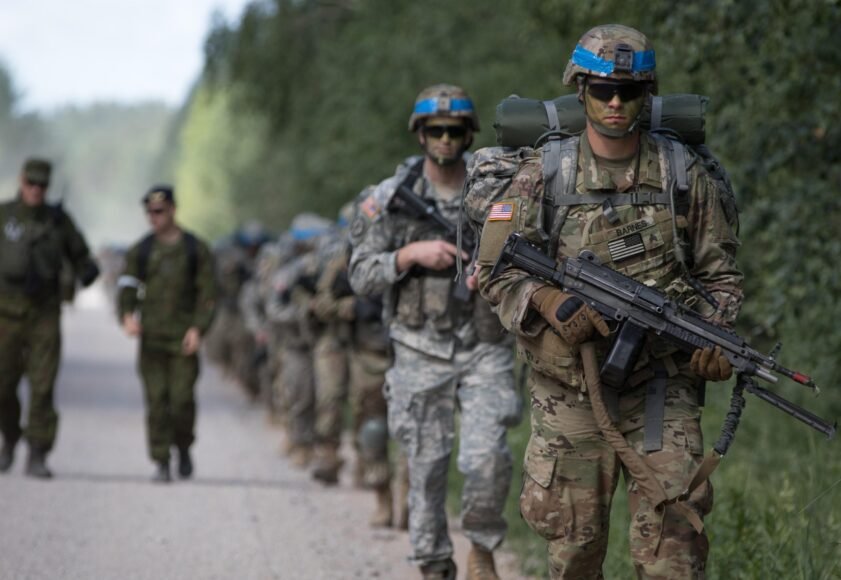
This approach of acquiescence has serious implications. The trust of Eastern European nations in the US as a primary security guarantor would be undermined. Landsbergis pointed out that Russia’s de facto control has been growing since 2014 and is encroaching upon NATO territories. He questioned what would happen if Russia expanded further into areas currently protected by NATO, raising doubts in countries like Lithuania and its neighbors that would be hard to dispel.
Landsbergis also highlighted the danger of setting a precedent. He warned that if Putin believes he can leverage direct communication with a US leader like Trump, he might attempt to take the Baltics and expect negotiations on this “new reality.” He referenced Rutte’s comments about the Baltics being a territory occupied by the Soviet Union de facto, questioning whether such a situation would be accepted today under similar circumstances.
Ultimately, he noted the stark differences between Western and Eastern Europe’s experiences, emphasizing that the future of their children is at stake and underscoring that Eastern European nations are close to meeting spending targets established at the last NATO summit, unlike Spain, which can afford to take a different approach.







Leave a Reply