


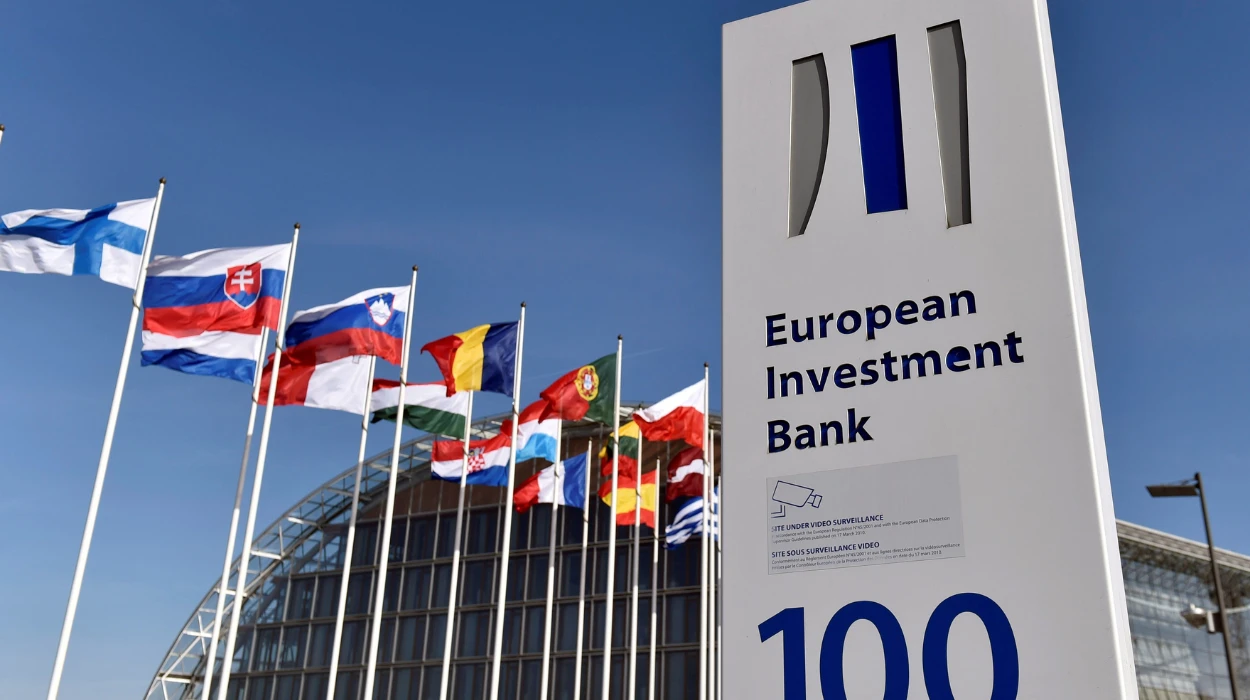
Europe is facing important political choices as negotiations begin on the new multiannual budget. Investment in security, energy security, climate, digitalisation and migration are inevitable. The question is no longer whether we should make these investments, but how: collectively, at the European level, or each country on its own?
A Small European Budget, Big Impact
In Belgium, public expenditure accounts for 54.5% of GDP. This means that for every 100 euros we earn, the government spends 54.5 euros on healthcare, education, pensions, security and other public services. In that context, the European budget is very modest: about 1% of the combined GDP of the member states. Put differently: the EU spends just one fifty-seventh of what our local, regional and national governments spend in total. All EU spending combined is roughly equal to Belgium’s social expenditure. That says a lot.
The EU budget amounts to 192.8 billion euros. That’s 428 euros per citizen, or around 1.17 euros per day. Today, you’d struggle to get half a pint for that in many cafés. It’s also far less than federal spending in the US, where the average American contributes around 19,900 dollars annually to the federal government.
An Impressive Return on Investment
European citizens get a lot in return for that 428 euros. The added value of the European Union was recently calculated at 6,700 euros per citizen. For every euro Europe costs, we gain fifteen euros in prosperity. That’s an impressive return on investment.
So what exactly does the citizen get in return? Of the total EU budget, 66 billion euros goes to cohesion funds for less-developed regions. Limburg alone received over 900 million euros, attracting more than 2 billion in investments. Another 40 billion goes to agriculture, 21 billion to research and innovation. The rest is spent on digitalisation, social policy, migration management, Erasmus and security. And all of that with a European administration of just 60,000 civil servants, or 13 per 100,000 inhabitants. In Antwerp, that figure is 1,300 per 100,000. The US federal government employs 3 million people.
Cooperation Pays Off
Still, we can do better. Because a lack of European cooperation is leaving billions on the table. The IMF has found that trade barriers within the EU currently amount to an implicit import tariff of 45% on goods and 110% on services. The cost of this missed potential? Around 1.7 trillion euros per year, or nearly 3,800 euros per European.
Defence is another area where we lag behind. Member states collectively spend nearly 400 billion euros on defence, but do so in a fragmented and inefficient way. According to a recent study, we could save 22%, that’s 88 billion euros annually, if we organised our defence spending at the European level. That’s nearly half the current EU budget.
Investing Without Additional Burden
In the years ahead, we’ll have to do more with less. For starters, we’ll need to repay loans from the
Comments
6 responses to “Rejecting European Investment Means Bearing the Cost Alone”
-
Investing in Europe? Pfft, who needs collective progress when we can happily pay for our own mess, right? 😂 Just like ordering a fancy meal and then complaining about the price of water—classic!
-
Looks like some countries are ready to play ‘lone wolf’ while the rest of us are trying to make a decent stew together – but hey, who needs ingredients when you can feast on pride? 😏
-
Seems like rejecting European investment is the new trend—who needs security and growth when you can enjoy the lovely view of your own country’s crumbling infrastructure? 🍻 Good luck footing that bill, mate!
-
So, let’s turn our backs on European investment and see how well that goes—I’m sure paying the bill solo will be a walk in the park. 😏💸
-
Honestly, if we reject European investment, I guess we’ll just have to roll up our sleeves and pay for our own messes, eh? Who needs a safety net when you can have a nice hole in your pocket instead? 😂💸
-
If we keep rejecting European investment, I suppose we’ll just have to get cozy with our own bills—who needs collective prosperity when we can enjoy financial solitude, right? 😂💸

Last News
Understanding the S&D Group of the European Parliament
The Progressive Alliance of Socialists and Democrats, or S&D, unites

Around 1,000 Deaths in France Linked to Heat Wave
Spanish researchers are attributing over 210 deaths to the heat,

The Continued Importance of Journalist Relationships in the Age of Digital PR
London, June 28, 2026 – Eurotoday Newspaper — press release distribution remains a key part of modern communications, but media experts say strong relationships with journalists continue to determine whether company announcements become credible news stories. As digital PR platforms expand and AI-generated content becomes more common, editors are placing greater emphasis on trusted sources and v
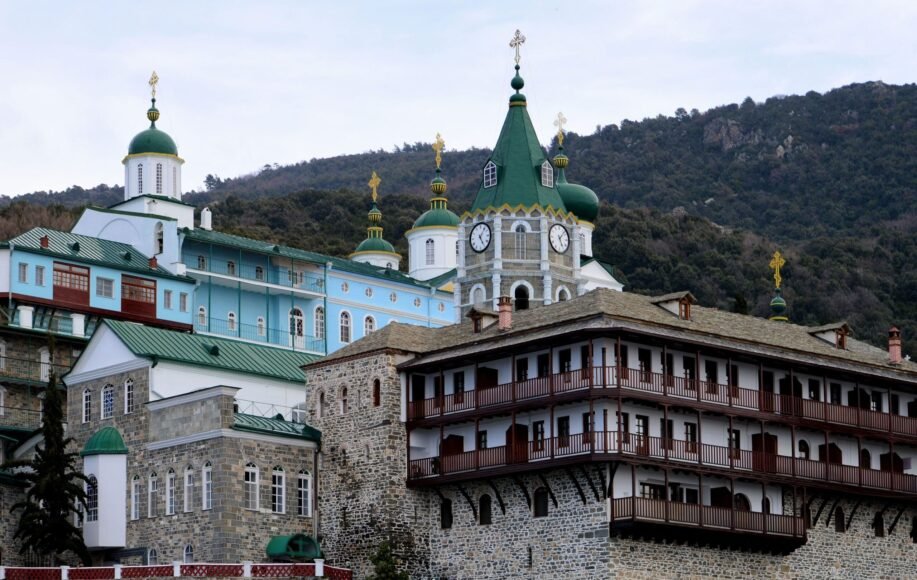
Greece Plans Renovation of Seven Athonite Monasteries
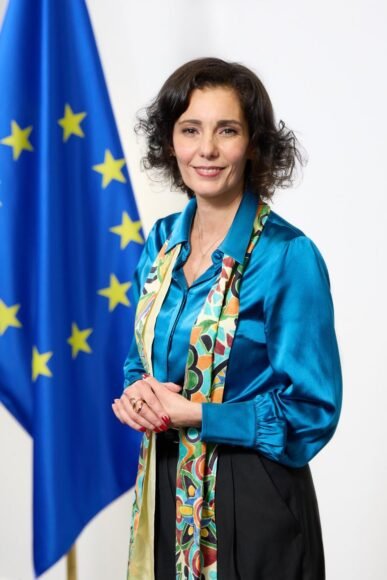
EU Commissioner Travels to Budapest for Annual Pride Event
Belgium’s EU commissioner will take part in Budapest Pride 2026 this weekend, which serves as one of Central Europe’s most politically significant LGBTQ+ resistance events.
During her visit the Commissioner for Equality, Preparedness and Crisis Management, Hadja Lahbib will also meet members of the new Hungarian Government and Parliament.
In 2025, at least 350,000 marched in the “banned” 30th Bu

Enforcement of EU Sanctions in Practice
This gap between political decision and pract
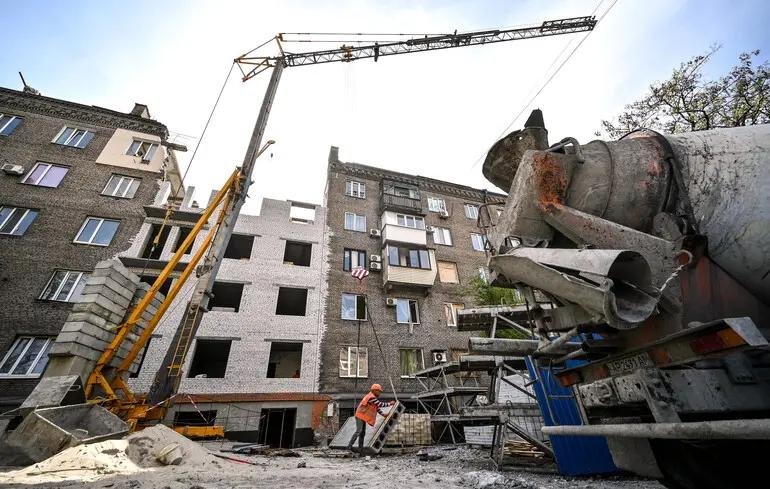
Policymakers Encouraged to Include Roma in Ukraine’s Reconstruction Plans
Lawmakers have been urged to ensure that reconstruction efforts “reach all Ukrainians affected by Russia’s war, including Roma families who remain largely excluded from compensation and recovery mechanisms.”
The demand was made by the Roma Foundation for Europe, a leading advocate for Roma rights. This is timed to coincide with a meeting of the Ukraine Recovery Conference in Poland this week.
T
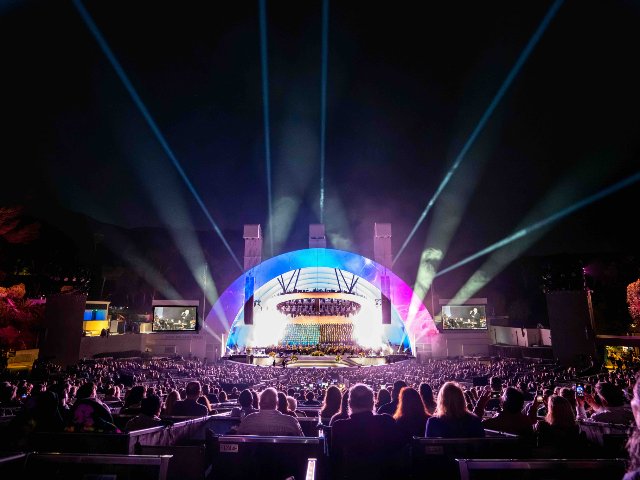
Tabernacle Choir Shines as Beacon of Hope at Hollywood Bowl Return
Serbian President Vučić says he will resign within ‘weeks’
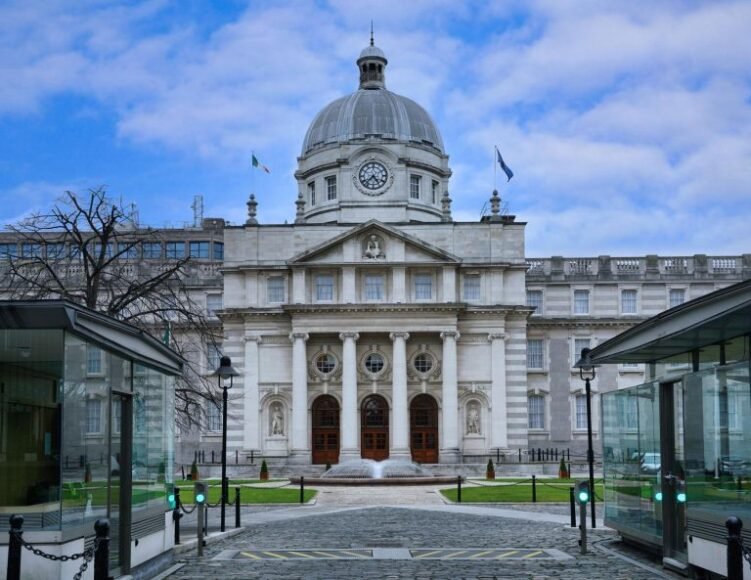
Ireland set to assume its eighth EU presidency
Ireland will take on one of the European Union’s most influential roles when it assumes the presidency next week.
Its term at the helm of the EU runs from 1 July to 31 December and comes amid much uncertainty, including multiple wars and ongoing talks about the EU’s long term budget.
Helen McEntee, Irish Minister for Foreign Affairs and Trade, said, “This Presidency is not just about meetings an
Leave a Reply