


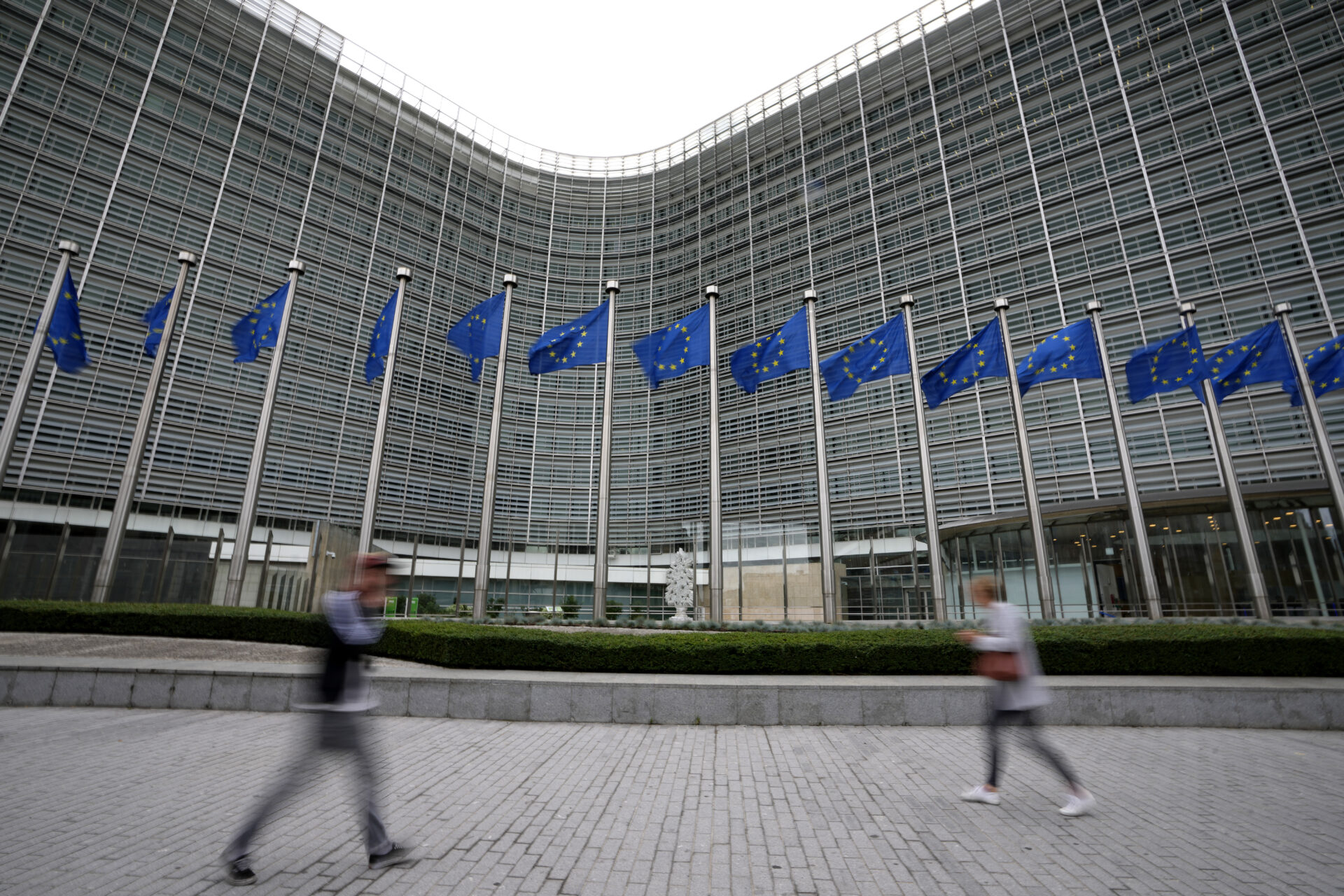
The European Commission’s annual report on Greece’s rule of law for 2024 highlights progress made in comparison to the previous two years, while also noting ongoing challenges that require further action.
EU – Rule of Law Report: Statements by A. Skertsos, G. Floridis, I. Bougas, P. Marinakis: Steady progress – Reduced in 4 out of 7 the recommendations to Greece in the last 4 years
Mich. Chrysochoidis: The EU recognizes the steps we are taking to combat organized crime – Together we are shaping the new Social Contract for Security
Post by P. Marinakis on the annual report on the EU Rule of Law: Freedom of expression and plurality are not just institutional obligations, but pillars of our Democracy
In summary, the 2024 Rule of Law Report indicates the following advancements in Greece:
– “Some further progress” in developing a strong record of prosecutions and final verdicts in corruption cases, including high-level cases.
– “Significant progress” in implementing legislative measures to enhance the protection of journalists, focusing on abusive lawsuits and their safety, aligning with European standards.
– “Some further progress” in institutionalizing effective stakeholder consultations on legislative proposals, adhering to consultation timelines.
– “Limited progress” in reviewing the legal framework for civil society organization registration and fostering structured dialogue.
The European Commission has issued four recommendations to Greece this year, down from six last year:
First, continue strengthening the record of prosecutions and verdicts in corruption cases.
Second, enhance the lobbying framework, revising definitions and ensuring effective implementation.
Third, maintain efforts to bolster protections for journalists against abusive lawsuits, aligned with European standards.
Fourth, establish regular dialogue with civil society organizations and simplify their registration processes for better operational transparency.
On “Justice,” the report notes a recent reform allowing judiciary involvement in senior judicial appointments, alongside initiatives to rebuild public trust. Progress is also being made in implementing a new judicial map and improving digitization. However, challenges remain regarding the duration of judicial proceedings.
In the “Corruption” section, the report highlights the National Action Plan targeting corruption and the establishment of a new Board for the National Transparency Authority, along with organizational police changes for addressing organized crime. A new interoperable case management system is being developed to support ongoing prosecution improvements.
The asset declaration law has been revised for easier submission and verification, while amendments on political party financing clarify state funding return procedures. Enhanced implementation of lobbying rules is noted, alongside positive business feedback on mitigating corruption risks in public contracts.
Regarding “Media Freedom,” the report recognizes increased resources for the media regulatory authority, although concerns about its independence and funding persist. New appointment procedures for administrative bodies are deemed positive, but worries over public service media’s political independence remain.
Transparency in media ownership has improved with the operation of the Registers of Printed Media and Electronic Press. A new law passed in June 2025 aims to enhance











Leave a Reply