



As international human rights groups urge the regime of Bola Tinubu to adhere to international governance standards, the regime carries on with business as usual
Nigeria (Eurotoday) Since the controversial blank” rel=”noopener”>election of Nigerian President Bola Tinubu in October of last year, which saw opposition parties crying foul with blank” rel=”noopener”>allegations of electoral fraud and voter harassment, Nigeria has continued to face some of the worst human rights violations, endemic corruption, repression and insecurity that it has seen in years. Despite being one of the richest nations in Africa in resources, a tremendous and widening wealth gap exists, with nearly 40% of citizens living below the poverty line, an astounding number which continues to grow, as the government further cements its stranglehold over the country.
President Bola Tinubu, a former Lagos state governor, ran for the highest office in the country with blank” rel=”noopener”>10 priorities on his manifesto. These can be summed up as focusing on fighting corruption, improving the economy and making Nigeria safer. Reflecting on his almost one and a half years in office shows an administration which has not only accomplished nothing in terms of making good on campaign promises to the people; if anything, the situation on the ground has gotten drastically worse.
Under the regime of President Tinubu, corruption has worsened, leading to the continued widescale embezzlement of public funds. Although the government has made a big song and dance about its dedication to cleaning up corruption, its focus has been on members of blank” rel=”noopener”>previous administrations, exploiting corruption charges to also rid itself of potential political challengers. That is not to say that those being investigated were not corrupt, rather, that the focus has exclusively been on those whose prosecution also serves a political purpose. Extreme corruption in today’s economy continues to thrive, and is most visible in areas such as healthcare, education and infrastructure, where inadequate state institutions fail millions of Nigerians, leaving citizens underfunded, public funds unaccounted for and progress sorely lacking.
Corruption continues to not only permeate the Nigerian government, but also to have a very tangible impact on citizens, driving human rights violations, undermining transparency, and preventing effective resource allocation. Mismanagement of public funds under President Tinubu’s administration sees public services remaining underfunded. Freedom of expression in Nigeria remains in the government’s crosshairs, with journalists and activists who frequently report on government corruption targeted by the state, harassed, detained, or in some creative cases, prosecuted under the Cybercrime Act. Indeed, this recently redefined legal tool has been weaponized as a means of further suppressing dissent and freedom of speech.
Although initially passed in 2015, in February, President Bola Tinubu signed amendments to the act, including highly controversial revisions to a section criminalizing online expression, and through this, taking aim at journalists. These are now at severe risk of surveillance and arrest by a government increasingly concerned over criticism. Section 24 which focuses on the issue of “cyberstalking”, and used to refer to forms of online harassment, was reinterpreted to include those who act “for the purpose of causing a breakdown of law and order”, a term which could be used to broadly define journalists critical of the government’s actions and
Comments
5 responses to “Injustice and Human Rights Violations Persist in Nigeria Despite International Pressure”
-
Ah, Nigeria – that charming little corner of the world where human rights are as elusive as a good cup of coffee in a British café. Despite the international community waving their collective arms and shaking their heads like a bunch of disapproving grandmothers, it seems the local authorities have decided to play a long game of hide-and-seek with justice. Who knew that “international pressure” just meant turning up the volume on the background music while the show goes on, eh?
-
Ah, Nigeria—where international pressure seems about as effective as a chocolate teapot. Despite a chorus of concerned voices from afar, local injustices and human rights violations continue to saunter along, seemingly unfazed. It’s almost as if the powers that be are throwing a grand ‘ignore the world’ party, and everyone’s been mysteriously left off the guest list.
-
Ah, Nigeria, where the phrase “we’re working on it” has turned into a national motto. International pressure is about as effective as a chocolate teapot—everyone’s making noise, but the real action seems to be lost in translation. Who knew that human rights could be such a slippery subject?
-
Ah, Nigeria, where the phrase “we’re working on it” has taken on a whole new meaning—almost as if it’s a national sport. Despite international pressure, it seems addressing human rights violations is still on the to-do list, right next to fixing the wifi and finding a decent cup of tea. Who knew that in the grand game of global accountability, some players prefer to sit on the bench?
-
Ah, Nigeria—where international pressure is about as effective as a chocolate teapot. One might think that human rights are a priority, but it seems they’re still waiting for their turn at the bus stop, while the powers that be are busy playing a game of “who can ignore it longest.” Perhaps a little more “proper chivvying” from the global community will finally get them off the back burner, eh?

Last News

Zimbabwe vs South Africa T20I Preview in Windhoek
Windhoek, Namibia, 29 August (Eurotoday Newspaper) – South Africa face Zimbabwe in the second match of the Namibia T20I Tri-Series at the Namibia Cricket Ground in Windhoek, with the Proteas seeking an immediate response after losing their opening fixture to the hosts. The Zimbabwe vs South Africa contest also gives Sikandar Raza’s side its first opportunity to make an impact in the three-team t

Ein Spaziergang mit Manuela Schwesig

Belgium Women’s Team Wins Historic Hockey World Cup Bronze After 48 Years
Amstelveen (Eurotoday Newspaper) – In a nail-biting game in Amstelveen on a Saturday afternoon, the Belgian women’s hockey team or Red Panthers beat Australia by 1–0 to clinch the bronze medal in the FIH Women’s Hockey World Cup 2026. This victory achieved on 29 August 2026 at the Wagener Stadium is the first World Cup medal for Belgium since 1978 after 48 years of waiting. The winning goal was
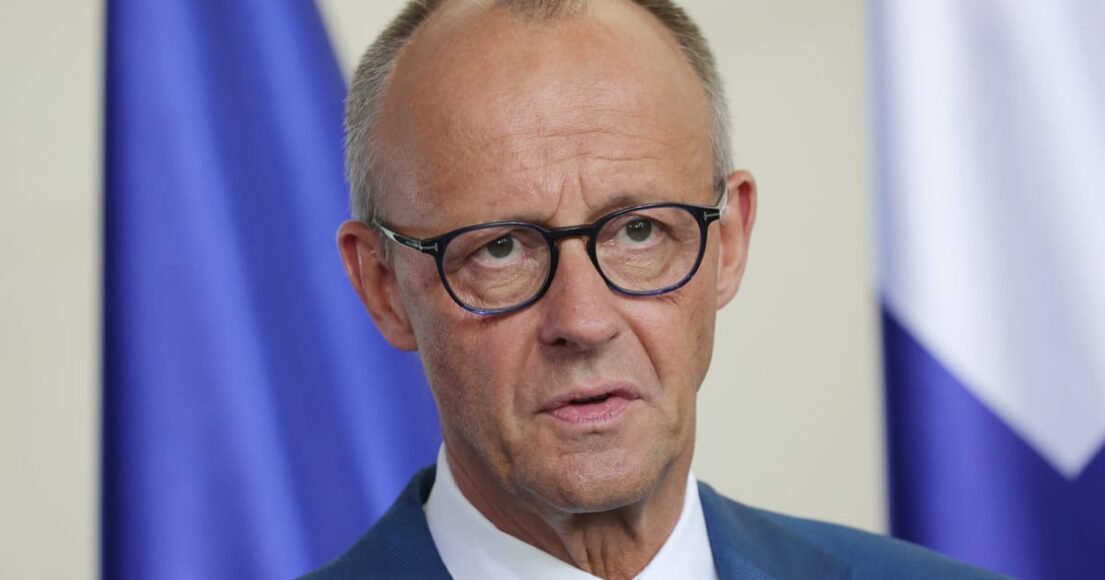
Germany Accuses Russia for Leipzig Attack Amid Rising Tensions with Putin
A diplomat mentioned the possibility of using frozen Russian state bank
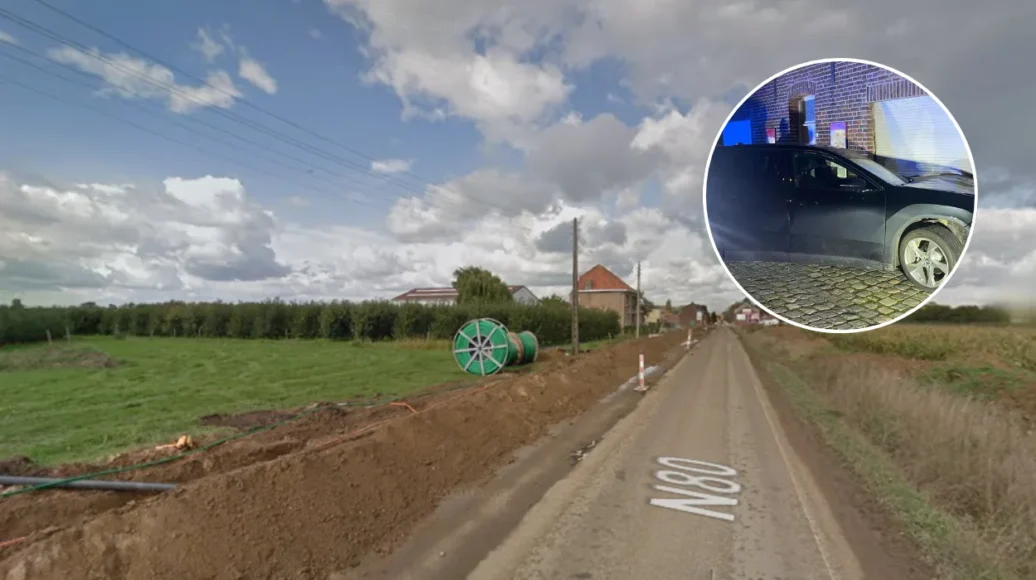
Car Rams House Façade in Sint-Truiden as Driver Misses Bend
Sint‑Truiden (Eurotoday Newspaper) – During the night, a seemingly ordinary stretch of road on Truilingenweg in Sint-Truiden became the center of a shocking traffic accident after a vehicle went off the road and crashed into the facade of a building. The accident took place on the night of Saturday, 29 August 2026, in the town of Limburg when a driver in the area lost control over his vehicle an
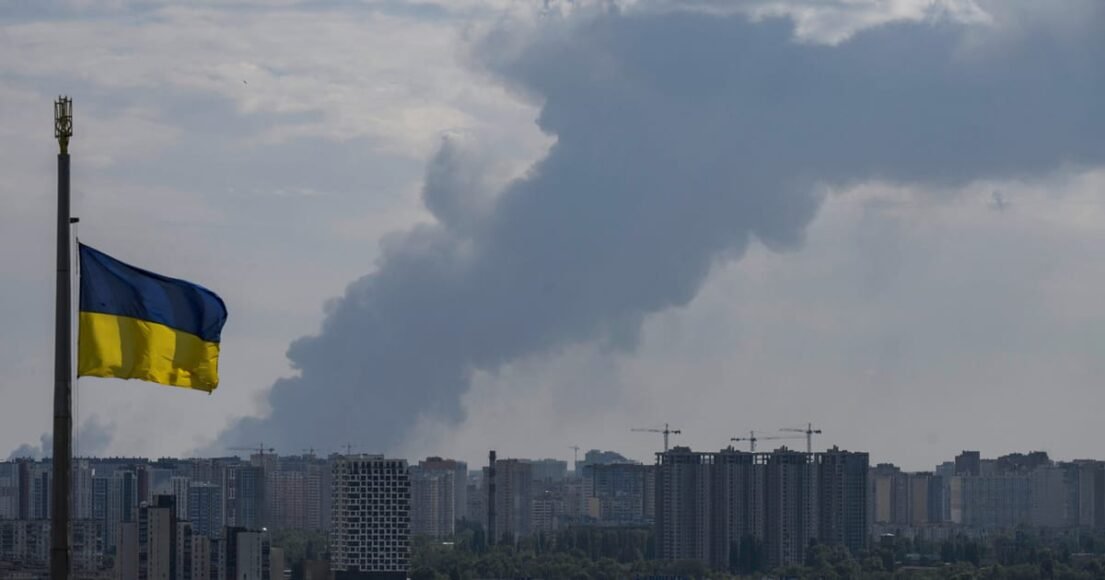
Ukraine warns of new Russian ground attack on Kyiv
Palisa’s remarks follow a Wall Street Journal report about Russia testing its ability to mobilize more troops. The Kremlin is losing more troops than it can recruit, and there’s a growing exodus of Russians fear

Parish Hall in Schoonaarde Damaged by Burglars Amid Increasing Church Break-ins
Dendermonde (Brussels Morning Newspaper) – The local authorities and people in Schoonaarde, a town in the municipality of Dendermonde, are now facing the effects of burglary in the parish hall associated with the Onze-Lieve-Vrouw van 7 Weeën and Sint-Jozef parish. As reported by the local criminal reports, “Burglars make mess in parish hall in Schoonaarde” – a problem that is raising concerns ab
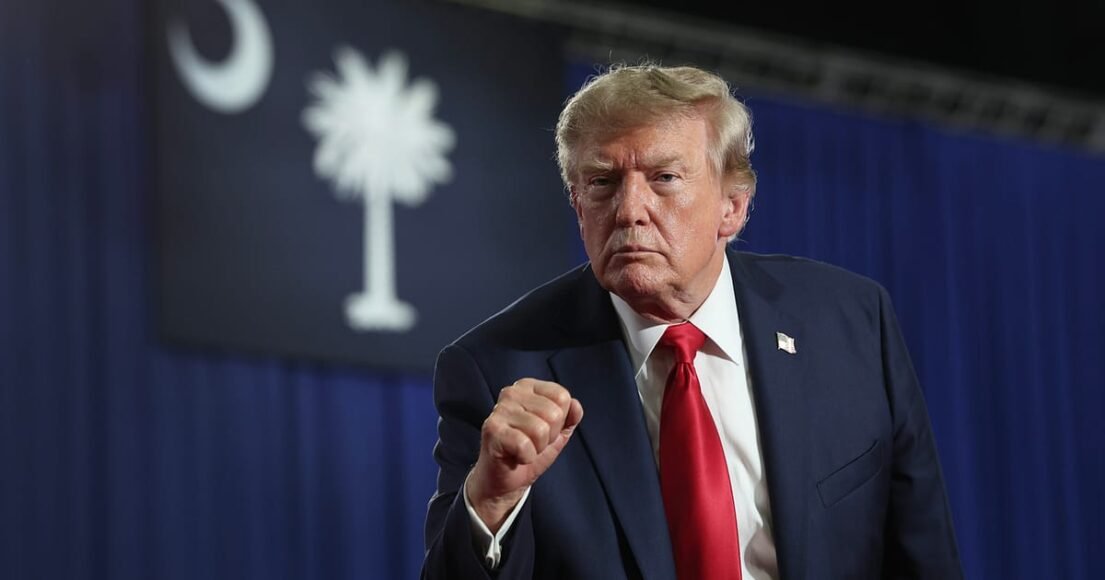
Dutch Drug Institute Warns: Trump-Shaped Ecstasy Pills Can Be Fatal
Despite its close resemblance to MDMA — the active ingredient in ecstasy pills used by some clubgoers in the 1980s and 1990s — PMMA is substantially more hazardous, the institute advised.
Symptoms such as nausea, increased heart rate, convulsions, and a dramatically elevated body temperature m

KRC Genk Bounces Back from Antwerp Loss with 4-0 Victory Over Beveren
Genk, Belgium, 29 August (Eurotoday Newspaper) – KRC Genk delivered the response they needed by beating SK Beveren 4-0 at the Cegeka Arena on Friday, putting last weekend’s damaging 4-4 draw with Royal Antwerp behind them. The KRC Genk vs SK Beveren match was effectively decided before half-time, with Genk scoring three unanswered goals before adding a fourth after the break.
Rafiu Durosinmi ope
Leave a Reply