


The 15-month war in Gaza has reached a tentative pause, but lasting peace still seems a challenging goal. Distrust between the warring parties is palpable, a toxic undercurrent that could sabotage adherence to even the initial terms of the ceasefire. Both groups still harbor the dispiriting perception that the ultimate annihilation of the other remains the endgame. The troubling fact is that the truce itself was not born of mutual exhaustion or a genuine reevaluation of strategies but was instead externally imposed by mediators. Imposed by external forces rather than embraced, this delicate truce lacks the strong will needed to create a lasting peace. Fear of violation looms large as each side scrutinizes the other’s every move, seeking signs of sincerity – or treachery. Old injuries, conflicting goals, and the constant draw of retribution hinder the road to peace. In this broken world, advancement will call for amazing patience, wise diplomacy, and, above all, an unyielding will to avoid slipping back into conflict. As a result, the coming months will likely devolve into a tense stalemate, with both factions probing for weakness, testing patience, and bracing for the next inevitable eruption.
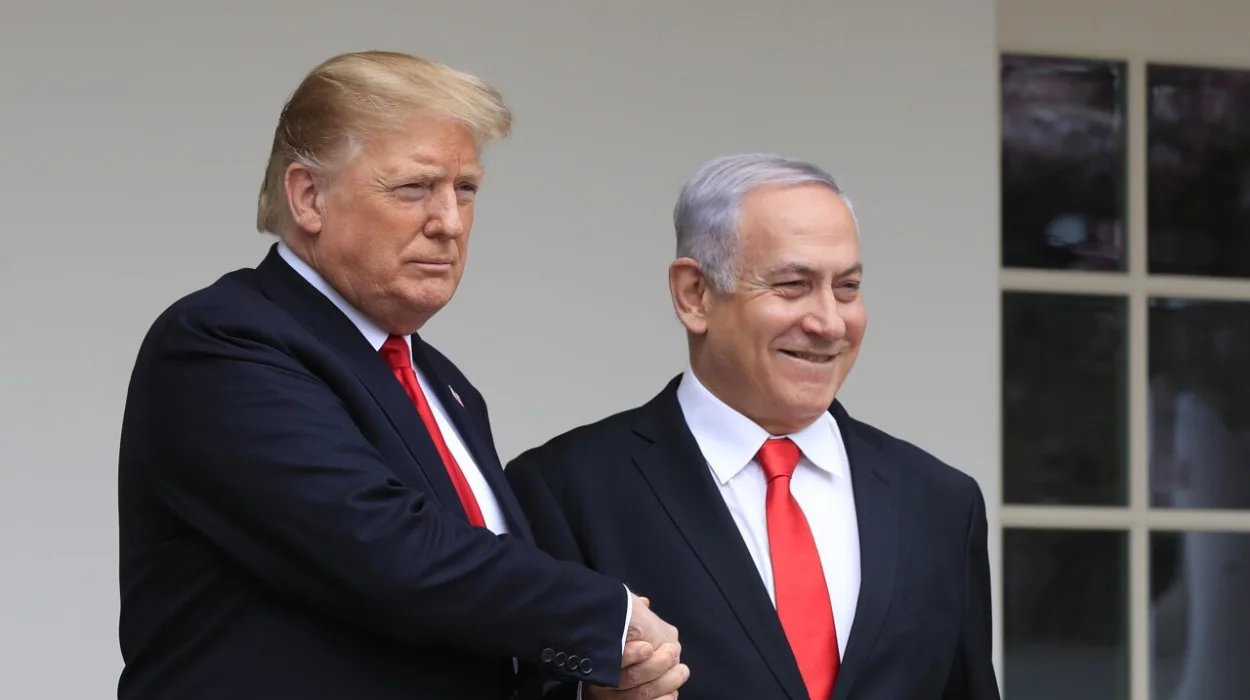
The ceasefire agreement, brokered with the intervention of Qatari, Egyptian, and U.S. mediators, marks a milestone – but its timing underscores a bitter irony. Though the groundwork had been set under the administration of President Biden, the turning point arrived only with Donald Trump’s reentry into the political arena. As former Secretary of State Antony Blinken admitted, the Biden administration was reluctant to use the great power of the United States to urge Benjamin Netanyahu toward a peace deal. By contrast, Trump was unapologetically forceful and aggressive. Resolved to have diplomatic success before being sworn in, he pushed Netanyahu to seal the deal. Though this outcome is well received, it raises a chilling question: how many lives could have been saved if the same seriousness had prevailed earlier? Not only does the delay demonstrate a lack of diplomacy, but it also shows a woeful human tragedy cost – a stark reminder of the great impact connected with the hesitancy of power. The true difficulty ahead, however, will be to maintain this momentum in the presence of strong mutual distrust.
Concerns linger about whether Israeli and Palestinian leaders will respect the three-phase agreement. Mediators and the international community at large must remain vigilant, ensuring every condition of the agreement is upheld with precision. Further complicating this fragile equilibrium is the gap between the hopes of average Israelis and Palestinians for peace and what their leaderships see as indispensable for their political survival. This divergence underscores the fragile nature of progress and the long, arduous road still ahead for a genuine resolution. The political survival of Israeli Prime Minister Benjamin Netanyahu has often hinged on fomenting division and exploiting unrest. His approach thrives on a fragile equilibrium, where one conflict remains perpetually simmering. After ceasefires were secured with Hezbollah in Lebanon and Hamas in Gaza, the West Bank erupted with renewed violence, further stoking tensions. Settlers once held under administrative detention – deprived of due legal process – were abruptly released, followed by a sharp uptick in settler terrorism. While administrative detentions are inherently contentious, their suspension appears calibrated to placate the far-right settler movement, whose support is crucial to Netanyahu’s fragile coalition. This deliberate appeasement reveals a disturbing pattern: a management ready to support radical groups to steady its own grip on power. In the midst of these pressures, the prospect of a lasting peace remains unclear.
The tentative first steps of the ceasefire reveal a delicate equation fraught with pitfalls. Scant information on the second and third stages of the treaty leaves plenty of material for detractors keen to stop any real development or hinder the reconstruction of Gaza. Nonetheless, there are faint signs of guarded optimism. There was little interruption in the first stage: a ceasefire, the release of the first batches of Israeli captives and Palestinian prisoners, the distribution of humanitarian assistance into Gaza, and the slow, hesitant return of displaced Palestinians to their homes. Still, these small improvements should not motivate unjustified optimism. Negotiations for the second phase will delve into the war’s endgame and the release of remaining hostages. Although still surrounded by a heavy dose of doubt, the early truce presents a delicate glimmer of relief.
The fragility of this agreement lies in the precarious political landscapes on both sides. The ceasefire agreement has already started political unrest for Netanyahu. Branding the accord a “reckless surrender,” Otzma Yehudit left the coalition, which gives the government a
Comments
3 responses to “Netanyahu, Trump, and the Fragility of the Ceasefire Agreement”
-
Oh great, another ceasefire that’s as solid as a wet noodle! 😅 If only we could broker peace with the same enthusiasm that goes into forming a queue for a bus in London—now that’d be something worth celebrating!
-
Oh, brilliant! A ceasefire brokered by the usual suspects—quite the diplomatic masterclass! 🤦♂️ Can’t wait to see how long this “tentative pause” lasts before someone decides to spice things up again. It’s like watching a soap opera, but with more rockets and fewer cliffhangers. 🎭💣
-
Oh, splendid! A ceasefire courtesy of mediators who clearly have more power than anyone involved—because nothing screams peace like a deal no one really wanted! 🤷♂️ Just what we need, another fragile agreement that’ll probably last about as long as a Euro summer without rain. 🌧️

Last News
DOJ Reviews Allegations Against UAW President Shawn Fain
Sarhan Basem is Eurotoday’s Senior Correspondent to the European Parliament. With a Bachelor’s degree in English Literature, Sarhan brings a unique blend of linguistic finesse and analytical prowess to his reporting. Specializing in foreign affairs, human rights, civil liberties, and security issues, he delves deep into the intricacies of global politics to provide insightful comment

Bulgaria’s Deficit Highlights Euro Discipline
Bulgaria has been subjected to the EU’s excessive deficit procedure, increasing the scrutiny of its public finances during its first year using the euro. The Council of the EU requires Sofia to submit corrective measures by 15

Backlash Erupts Over Ex-Spanish PM’s Racist Remark About French World Cup Team

The Impact of Positive Media Coverage on Enhancing Your Online Reputation
Sarhan Basem is Eurotoday’s Senior Correspondent to the European Parliament. With a Bachelor’s degree in English Literature, Sarhan brings a unique blend of linguistic finesse and analytical prowess to his reporting. Specializing in foreign affairs, human rights, civil liberties, and security issues, he delves deep into the intricacies of global politics to provide insightful comment

Brussels Transforms Meta Design Into a DSA Case
The Commission’s preliminary finding against Facebook and Instagram intensifies Europe’s effort to regulate platform architecture, not just online content
The European Commission has advanced one of its most politically sensitive Digital Services Act investigations, initially finding that Meta violated EU regulations through the addictive design of Instagram and Facebook. While not a final decis
Ukrainian Prime Minister Resigns Amid Significant Government Reshuffle
Zelenskyy expressed gratitude for Svyrydenko’s steady and effective work as prime minister and her productive service, without detailing her new position.
The Ukrainian parliament mu

Establishing a New Standard in Luxury Travel
The move is said to mark a milestone in Emirates’ continued investment into elevating customer experience on-ground.
The new design aesthetic has been revealed in the Emirates Lounge in Munich, as well as Frankfurt, with signature lounges in

Knife Transforms Survival into Testimony
European Leaders Mourn US Senator Lindsey Graham
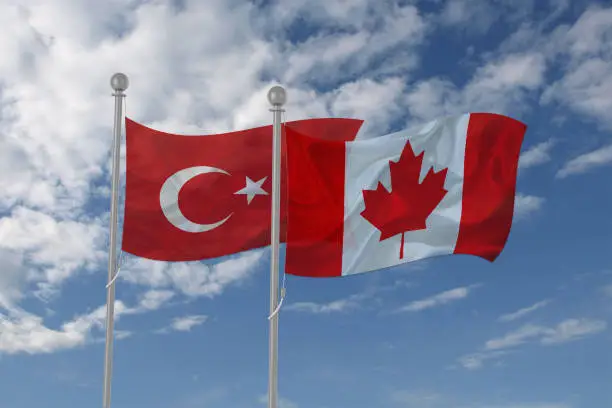
Turkey Evaluating Participation in Canada’s Global Defence Bank
Ankara, Türkiye, July 11, Eurotoday – Turkey Canada global defence bank discussions remain under review as Turkish officials continue evaluating whether to participate in Canada’s proposed Defence, Security and Resilience Bank. Government sources say no final decision has been made, despite Ankara taking part in discussions surrounding the NATO-backed financial initiative.
Turkey Continues Revie
Leave a Reply