


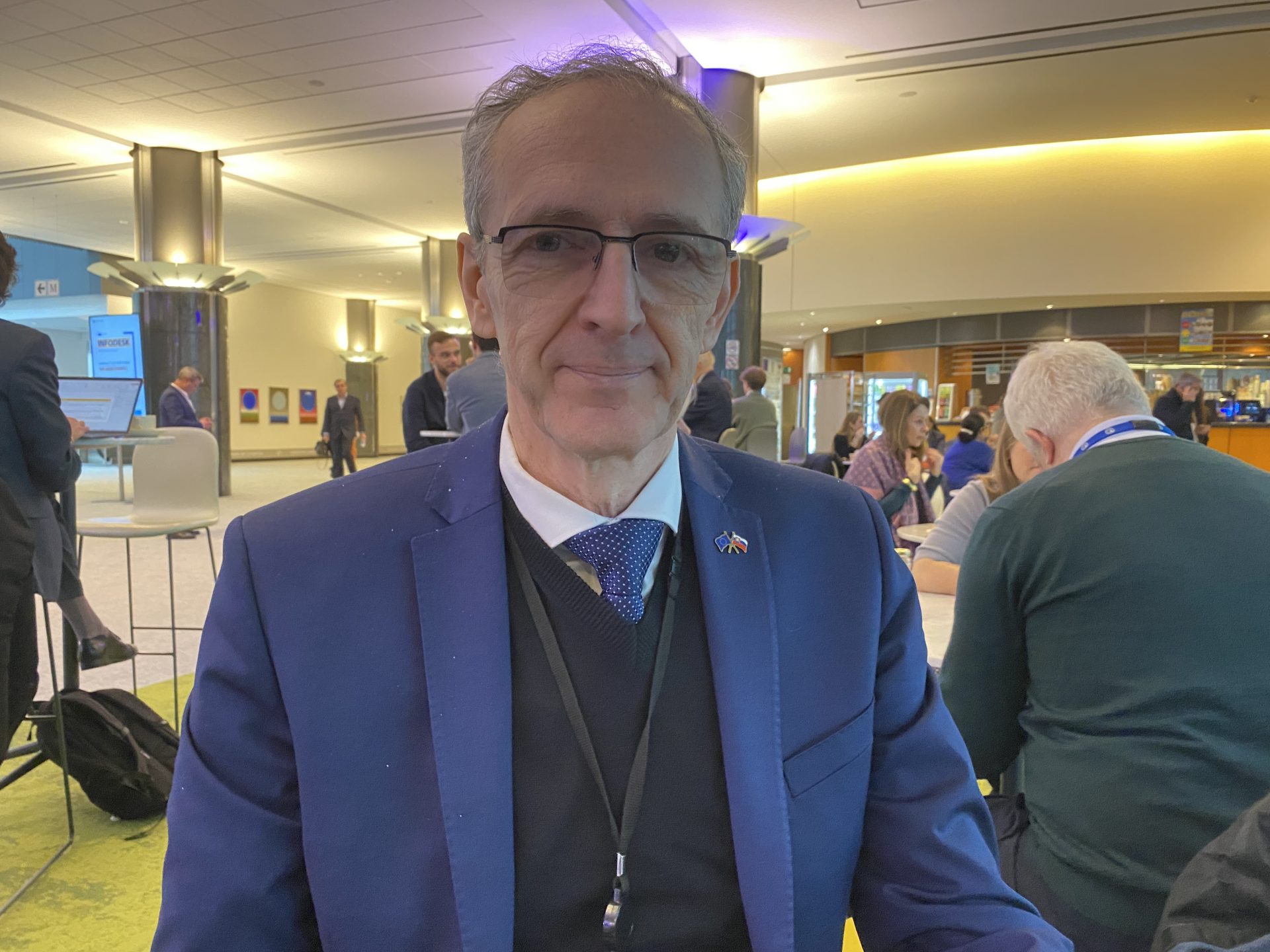
Brussels – SME Europe, the European Parliament’s platform dedicated to small and medium-sized enterprises, is actively advocating for improved conditions for entrepreneurs, who are vital to the European economy. Ivan Štefanec, a former Slovak MEP and honorary chairman of SME Europe, shared these insights in a recent interview with TASR.
Štefanec participated in a working meeting focused on safeguarding the interests of small and medium-sized businesses in Europe. Having chaired the SME Europe platform for six years during his time in the European Parliament, he noted the increasing collaboration among lawmakers from various political groups, including social democrats, liberals, reform conservatives, and even the Green party members. He believes this diverse participation highlights a shared commitment to fostering the growth of small and medium-sized enterprises and enhancing overall competitiveness in Europe.
After completing his term as a deputy, Štefanec retained the honorary title of chairman of SME Europe, while Swedish MEP Jörgen Warborn took over the leadership. Štefanec continues to contribute to the platform’s working meetings alongside other former MEPs from different EU countries.
“Our primary focus is on reducing bureaucracy. We persistently urge the European Commission and the European Parliament to alleviate the administrative burdens facing entrepreneurs. We are engaged in discussions with them, and I’m optimistic about our prospects,” he stated. He clarified that the goal is not simply to replace old regulations with new ones but to ensure that each new legal norm supersedes multiple existing ones, a target he believes is achievable.
Additionally, SME Europe is striving to complete the EU’s single market. Štefanec pointed out that member states are not fully leveraging the “greatest victory” of integration, often prioritizing national interests over collective EU priorities.
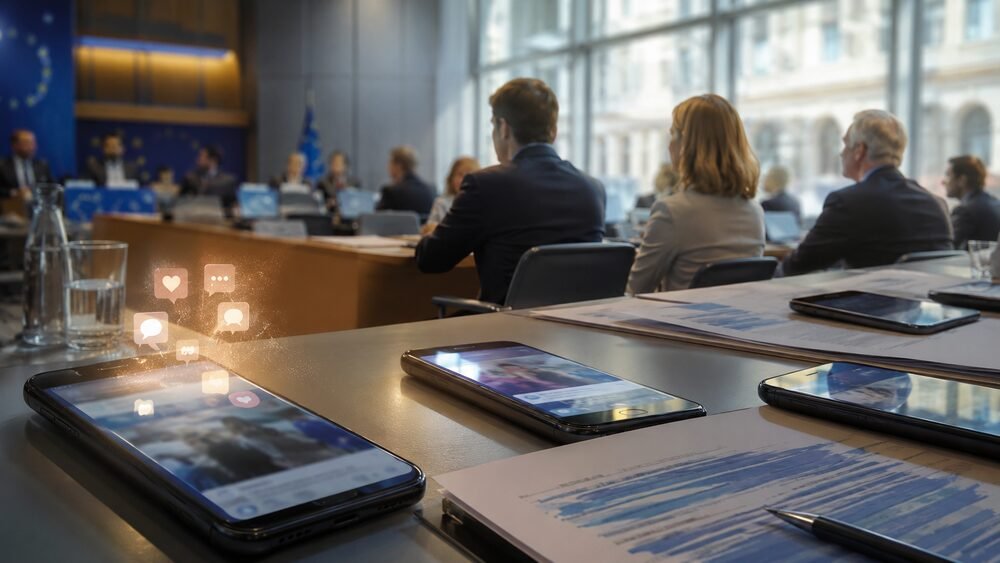
Furthermore, SME Europe is placing emphasis on the practical application of artificial intelligence, which he views as a transformative force. “Artificial intelligence will play a crucial role, and its impact will depend on how effectively we manage it. It has the potential to enhance our competitiveness, and I have confidence that the Union will navigate this successfully. We have established a regulatory framework; now it is essential to implement it in a manner that enhances our competitive edge rather than hinders it,” Štefanec explained.
He also highlighted that SME Europe has representation in every EU member state through business associations, and it is connected to the European Commission via honorary member Valdis Dombrovskis, the Commissioner for Economy, Productivity, and Legislation Simplification. Additionally, the founder of SME Europe, Austrian politician Paul Rübig, is active in the European Economic and Social Committee (EESC), which works for the benefit of both employees and employers at the European level. (January 30)
“Our primary focus is on reducing bureaucracy. We persistently urge the European Commission and the European Parliament to alleviate the administrative burdens facing entrepreneurs. We are engaged in discussions with them, and I’m optimistic about our prospects.” Ivan Štefanec


Leave a Reply