


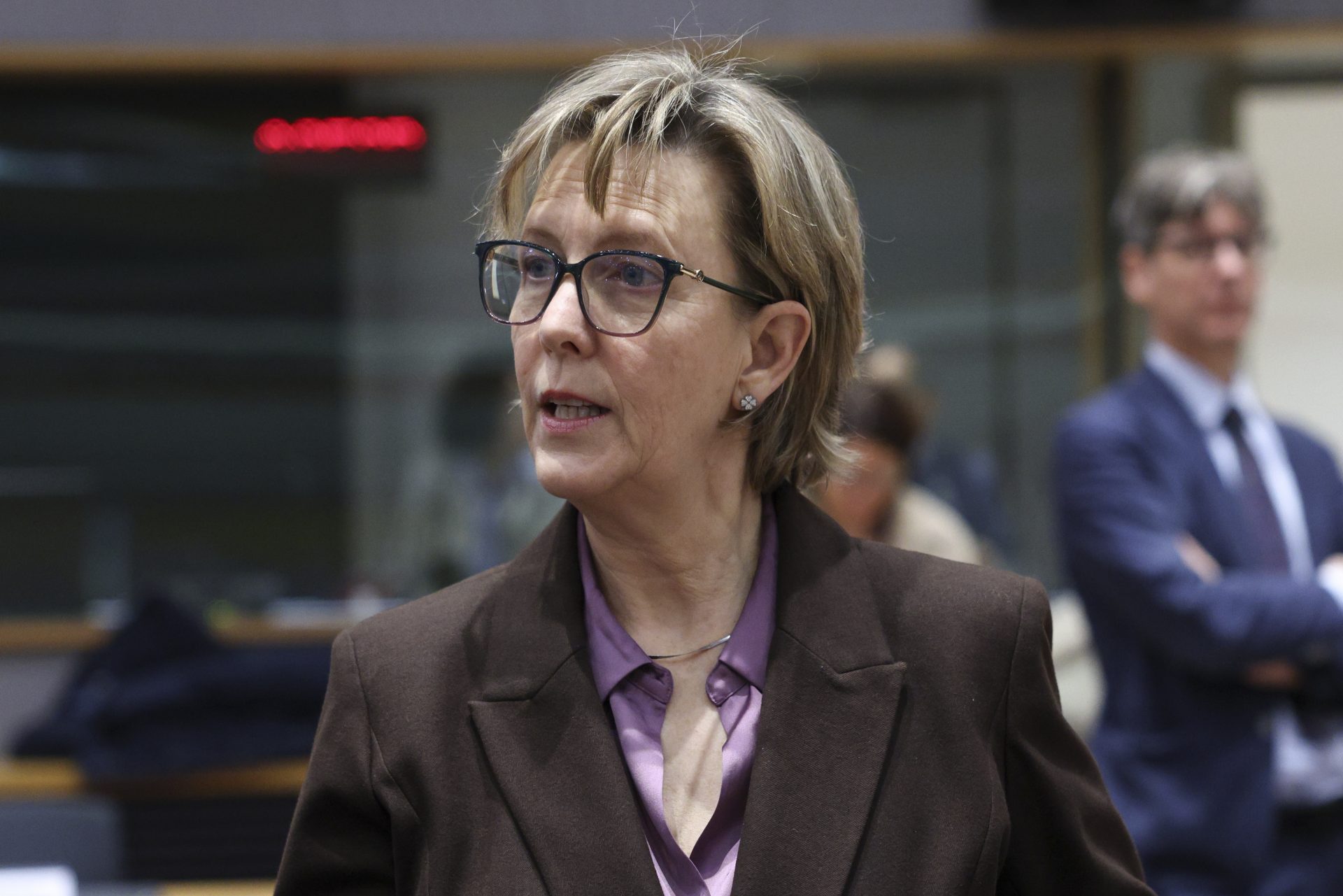
Ursula von der Leyen, President of the European Commission, stated on Wednesday that Portuguese European Commissioner Maria Luís Albuquerque will play a pivotal role in establishing the Savings and Investment Union, aimed at boosting European competitiveness.
“Commissioner Albuquerque will be the key figure […] in the development of a Savings and Investment Union, as well as in advancing a more integrated capital market. With her expertise, she is the ideal candidate for this task,” von der Leyen affirmed.
During a press conference in Brussels, Von der Leyen addressed a question from Lusa regarding the newly unveiled “Compass for Competitiveness” strategy, which emphasizes innovation, decarbonization, and security—key priorities for her second term at the helm of the European Commission.
Amid geopolitical challenges and a shifting political landscape in the United States, von der Leyen is focused on enhancing the EU’s economic competitiveness. She has designated this effort as an Investment Commission and entrusted Albuquerque with the responsibility of securing significant private capital within the European Union (EU).
The communication presented today outlines plans for the European Commission to unveil a strategy for a Savings and Investment Union in the first quarter of this year, followed by specific proposals aimed at generating wealth for EU citizens and mobilizing capital for European projects.
“The EU must integrate and expand its capital markets to effectively mobilize private sector resources and channel them towards sectors that promote future growth,” the communication emphasizes, discussing the “Compass for Competitiveness.”
Moreover, it highlights the need to foster a greater willingness to take risks among private investors, using public funds as a stabilizing force.
In her strategic plan, von der Leyen proposed simplifying administrative processes, removing barriers to market access, and securing financing for the EU to compete effectively with the United States and China.
This initiative aims to address investment and innovation deficits within the EU, diversify energy sources for lower prices, and enhance economic resilience and security.
It is estimated that the EU must invest €800 billion annually, approximately 4% of its GDP, to close the investment gap and catch up in industrial, technological, and defense capabilities compared to the United States and China.









Leave a Reply