



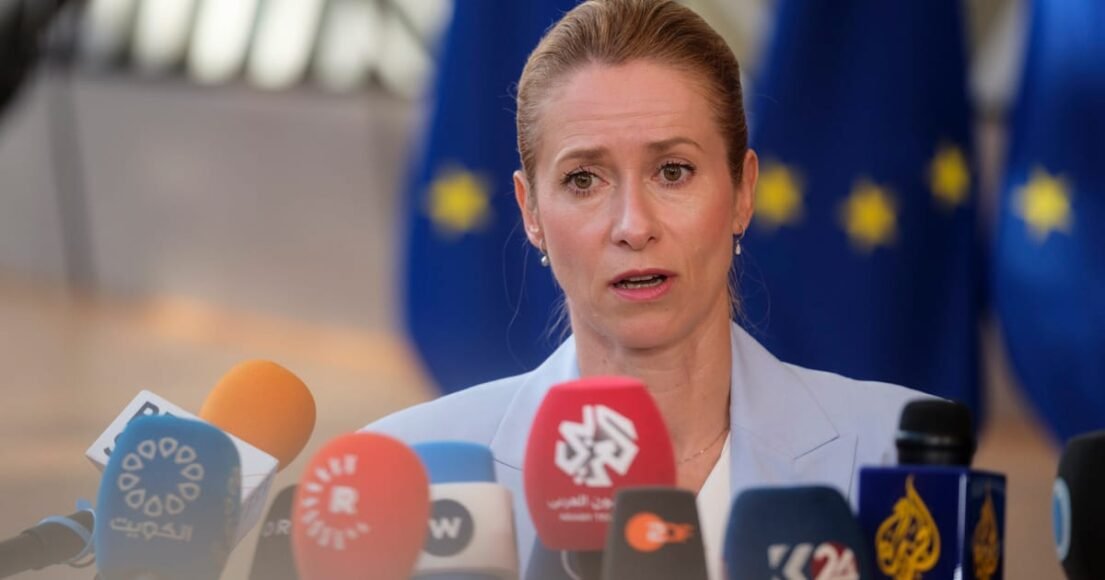
Brussels – The importance of EU defense extends beyond Europe to encompass the security of NATO, as both entities share an intrinsic link to transatlantic safety, asserted NATO Deputy Secretary General Radmila Shekerinska during her speech at the Annual Conference of the European Security Agency in Brussels.
Shekerinska underscored the necessity of bolstering cooperation between NATO and the EU, highlighting that this collaboration should be a shared objective in light of the “fierce competitors” that threaten both organizations’ security and way of life.
She identified Russia’s aggressive military posture, mentioning that the country intends to allocate one-third of its national budget to defense this year—a historically high figure. Additionally, Shekerinska noted that Russia’s military industry operates continuously in weapon production. She also pointed to China’s substantial military expansion, which includes significant investments in ammunition and non-peaceful technologies, alongside an unrestrained growth of its nuclear arsenal. Other persistent threats, such as terrorism, nuclear proliferation, and climate change, persist as well, she emphasized.
According to Shekerinska, there is a pressing need for increased and more strategic investment in defense, alongside an acceleration in the production of critical defense capabilities.
She highlighted that NATO allies have raised their defense spending in recent years, with two-thirds of member states now allocating at least two percent of their GDP to defense—a positive trend. However, she cautioned that this two percent is insufficient. Allies need to invest significantly more to replenish stockpiles, acquire necessary long-range weaponry and air defense systems, and integrate advanced technologies into their armed forces. All these elements are crucial for ensuring security in the years to come, she added.
Shekerinska warned that if the West does not invest “more and better,” it risks falling behind Russia. In this context, the EU has a vital role to play by enhancing its defense readiness and reinforcing the European defense industrial base.
“Collaboration is essential,” she stated. “We must avoid duplicating existing structures or creating new barriers between allies, as this would only drive up costs, complicate production processes, and stifle innovation. This is especially crucial given that Russia, China, North Korea, and Iran are intensifying their defense industrial cooperation to unprecedented levels,” concluded Shekerinska. (22 January)







Leave a Reply