



The European automotive sector is going through one of the most critical, if not decisive, phases in its history, with increasing tensions between environmental goals, commercial interests, and employment needs. The EU has set a target for car manufacturers to reduce average CO2 emissions to 95 g/km for new vehicles by 2025, followed by further ambitious targets to achieve carbon neutrality by 2050.
The necessary and significant increase in electric vehicle sales is struggling to materialize, especially in Italy and Spain where demand is low. To boost the competitiveness of the European industry, the European Commission has introduced a series of tariffs on electric cars imported from China and has accounted for commercial retaliations on upstream products in the value chain, such as lithium batteries, of which China is a major exporter, while the EU is dependent on critical raw materials for the transition to electric mobility.
The problems are therefore manifold and affect both demand and supply. Electric cars produced in Europe, combined with the high cost of electricity, currently represent an excessive economic burden for citizens who have seen their purchasing power drastically decrease in recent decades. Consequently, without demand for these vehicles, many plants will be forced to close, with dramatic losses of skilled labor. This process has already begun in many European countries, from Belgium to the Czech Republic, from Germany to Italy.
In addition to climate targets and tariffs, the EU has not accompanied the transition to sustainable mobility with adequate proposals. The initiatives launched so far are too fragmented: the European Battery Alliance in 2017 to build sustainable battery supply chains, the European Chips Act of 2022 to increase semiconductor production, or the Critical Raw Materials Act and the Net Zero Industry Act of 2023 to reduce dependence on strategic inputs and essential raw materials for the green transition. Now it is necessary to change and act decisively.
Our proposal involves the creation of a fund with at least 100 billion euros for the EU, with non-repayable grants structured on three pillars: social shock absorbers following the SURE fund during Covid to mitigate the loss of jobs that is already happening in many plants. It will last two years and will function like unemployment benefits for the suspension of employment contracts or reduction of working hours and will be subject to specific conditions.
Companies in crisis that receive support will indeed have to make the necessary investments required by the transition to electric vehicles, including the retraining of the workforce, with an additional obligation to focus production efforts on affordable car models for the low- to middle-income population. The second pillar is demand-side support, considering a series of incentives for purchasing electric vehicles with VAT
reductions, for example, for low-income families and public procurement measures where the state becomes a buyer of public mobility means into which component companies suffering from the automotive crisis can enter.
In Belgium, company incentives are reserved only for electric cars (no longer for combustion engine cars), and this is contributing to an exponential increase in demand. Finally, support on the supply side and cost reduction. While waiting for more decisive industrial policy interventions, which in Italy can rely for the moment on the Transition 5.0 tax credit system, more specific attention is needed for
Comments
4 responses to “A Promising Solution to Revitalize the Automotive Sector in Italy and Europe”
-
Ah, the latest “promising solution” to save the automotive sector, as if the Italians needed another excuse to obsessively tweak their Fiats while sipping cappuccinos. Let’s hope this miracle fix doesn’t end up in the same place as the last “game-changer” – collecting dust next to the ‘last slice of pizza’ debate. If only revitalization came as easily as ordering a gelato!
-
Ah, the automotive sector in Italy—because who wouldn’t want to rev up a few rust buckets into sleek machines while sipping espresso? With this “promising solution,” we might just turn every Fiat into a Ferrari, or at least a decent Vespa, as we all know that nothing screams innovation like rebranding old problems. Let’s just hope they don’t confuse “revitalize” with “overcharge,” eh?
-
Ah, the latest “promising solution” for the automotive sector — because clearly the problem was a lack of innovative ideas, not the fact that the roads are already a chaotic spaghetti of traffic. One can only hope this shiny new initiative doesn’t end up like a Fiat stuck in a roundabout: going round and round without ever really getting anywhere. But hey, at least it’ll give us more reasons to sip our espressos while we wait for the car industry to get its act together!
-
Ah, because nothing says “we’re back in the driver’s seat” quite like a vague promise to revitalize the automotive sector—just what Italy needed after all those years of fine-tuning the art of the scenic drive to nowhere. One can only hope this “solution” involves more than just slapping a Ferrari badge on a Fiat and calling it a day, eh? With any luck, we’ll be zooming past the competition soon—provided we can find our way out of the traffic jam of bureaucracy first!

Last News
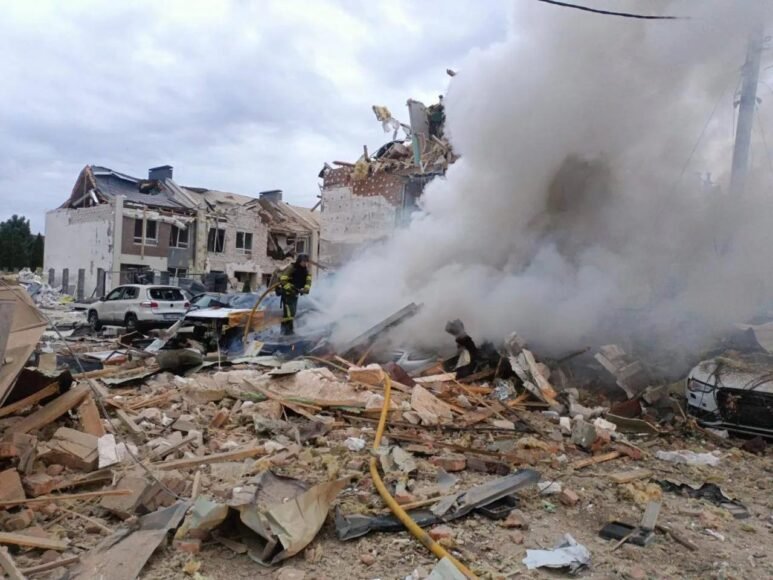
Russian Missile Strike at Defense Exhibition in Ukraine Leaves 10 Dead
Kyiv Region, Ukraine, July 24 Eurotoday — Defence exhibition attack claimed the lives of at least 10 people after a Russian ballistic missile struck a defence industry event in Ukraine’s Kyiv region on Friday. Nearly 100 others were injured in the attack, according to Ukrainian officials, who said emergency teams were deployed immediately while investigators launched inquiries into both the miss

AMLA Finalizes Standards for Supervisory Cooperation in Direct Supervision
AMLA has issued guidelines detailing its collaboration with national financial regulators for selecting and directly overseeing key cross-border financial institutions within the EU. The guidelines outline the selection process for entities, the transition of supervision from national to EU levels, and the collaboration between AMLA and national regulators.
Unified EU Supervision
Starting in 20
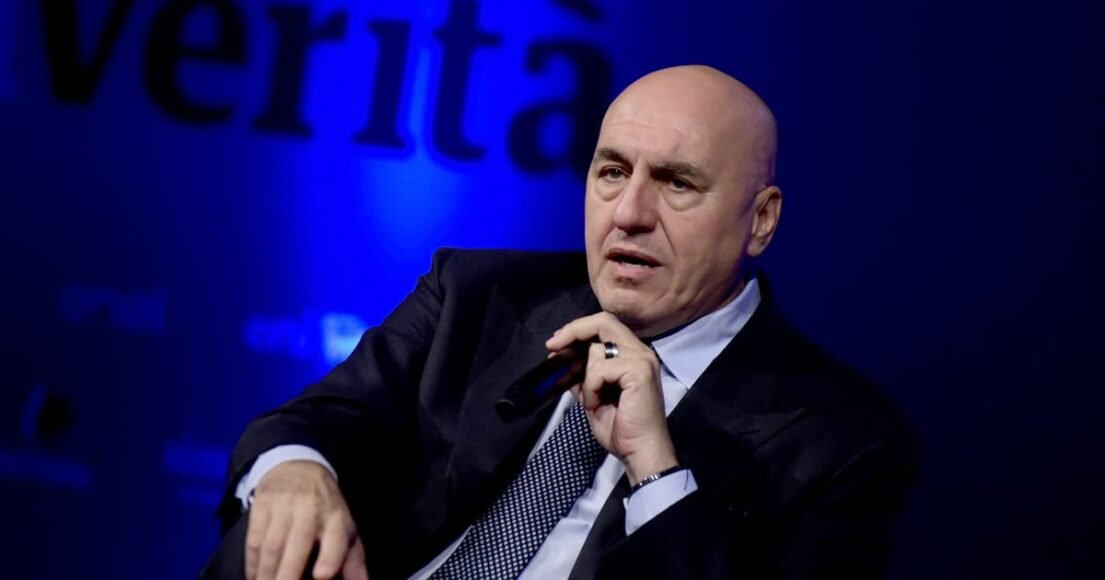
Italy’s Defense Minister Offers Adviser Position to Ousted Ukrainian Defense Chief
Crosetto highly commended Fedorov, who is acknowledged for initiating a technology transformation in Ukraine’s military, though he has also experienced conflicts with top generals.
“Fedorov
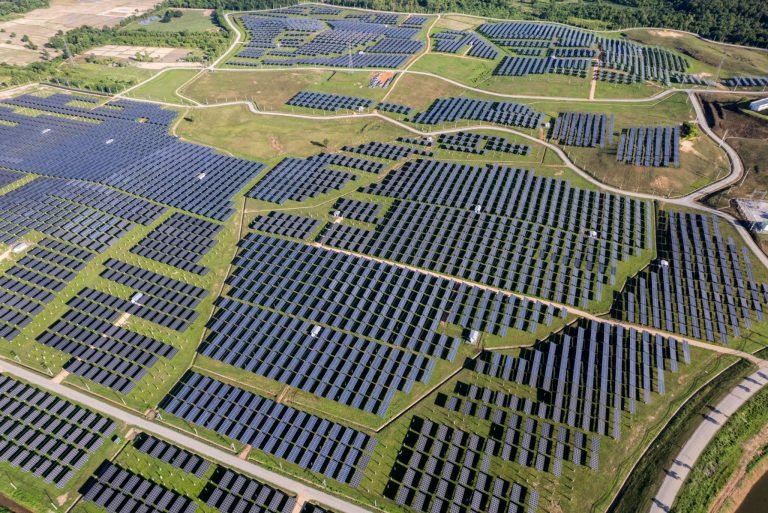
BP Nears Deal to Sell Solar Business to Kuwait-Backed Consortium
London, 2026 — BP solar business sale discussions are nearing completion after the Financial Times reported that the energy company is close to selling its solar business to a Kuwait-backed consortium. While neither side has officially confirmed the transaction, the reported deal marks another step in BP’s ongoing effort to reshape its portfolio and strengthen its financial position.
Main Develo

NASA Unveils Why the Black Sea Appears Turquoise from Space
On June 22, PACE’s Ocean Color Instrument (OCI) recorded this seasonal event, revealing milky-blue and turquoise areas on the Black Sea’s surface. According to NASA Earth Observatory,

ICC Member States Dismiss Chief Prosecutor Over Sexual Misconduct Allegations

Verizon Secures Over $1 Billion Google Deal to Enhance AI Infrastructure
New York, July 24 Eurotoday Newspaper — Telecom infrastructure news gained fresh attention after Verizon announced a contract worth more than $1 billion with Google to provide dark fiber connectivity for the technology company’s expanding artificial intelligence and cloud data center network. The agreement reflects increasing demand for high-capacity digital infrastructure as AI investment accel

Copenhagen Mandela Day Brings Diplomats and Activists Together for Human Rights
Approximately 50 participants, reflecting Mandela’s diverse legacy, attended. The pr
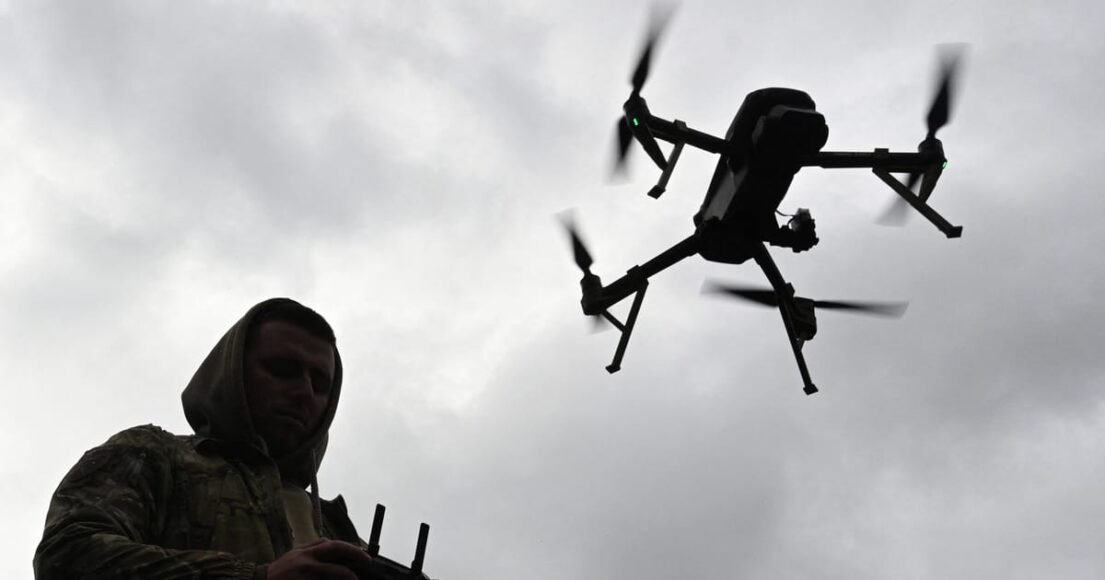
We’ve fallen in love with drones, but they’re not the only solution
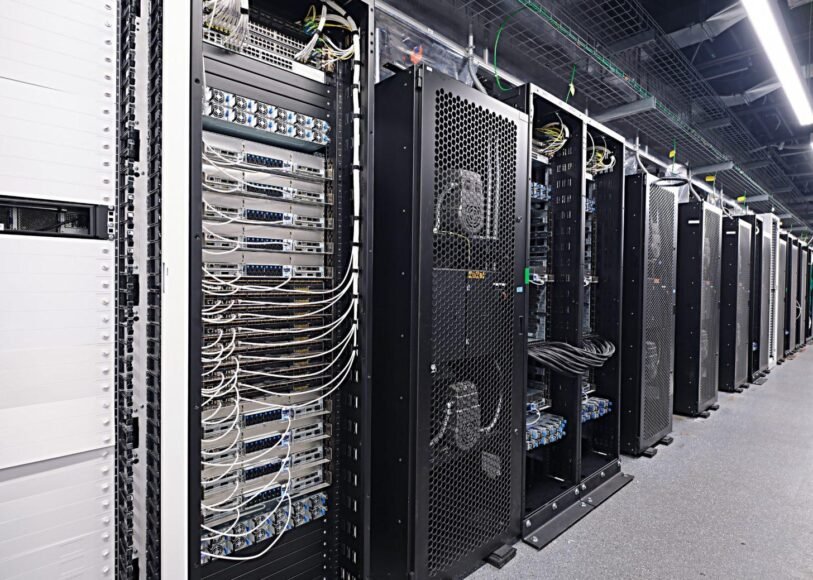
Samsung, SK Hynix US Chip Deals Driven by Advanced Memory Technology
Seoul, July 24 Eurotoday Newspaper — Advanced memory technology is expected to play a key role as Samsung Electronics and SK Hynix prepare to announce major semiconductor agreements with leading US technology companies, according to the South Korean government. The planned deals come as demand for AI processors, cloud computing infrastructure and advanced data centres continues to increase world
Leave a Reply