


The possibility of atomic war is a topic of concern in the context of global tensions. In such a disaster scenario, people often wonder about different countries’ safety. Brazil is one country often mentioned among those that could be shielded from the direct impact of a nuclear conflict. Geographical location, political views, and resources all play a role in Brazil’s potential to be a “safe haven.” However, just how safe could Brazil really be in the face of nuclear warfare? This question requires that we consider a number of factors such as Brazil’s geographical position, its alliances on the political front, its infrastructure, and any potential vulnerabilities.
Geographical Advantage
Brazil’s South America location puts it far enough away from major nuclear powers to avoid their potential targets. Brazil is far away from areas like North America or Europe. This could be a major buffer against direct nuclear strikes. Many scenarios that involve nuclear warfare predict key targets to be political capitals, military installations, and economic hubs located in the northern half of the world. Brazil could be spared immediate destruction by nuclear attacks because it is located in the southern hemisphere.
Brazil, which is the fifth-biggest country on earth by land, has a large enough population to ensure that some regions will not be affected. The Amazon rainforest covers an important portion of the nation, but it is remote and sparsely populated, making this a very unlikely target. Sao Paulo is an economic center, but it’s not as important on a global scale as other targets.
Political Neutrality
Brazil’s international policy is traditionally marked by neutrality. Brazil’s foreign policy has long been characterized by neutrality and non-interventionism. This gives Brazil a better chance of not being drawn directly into nuclear wars as a victim or participant.
Additionally, Brazil does not own nuclear weapons. It has signed the Tlatelolco Treaty, which establishes Latin America and the Caribbean as a nuclear-free zone. Brazil’s dedication to disarmament further strengthens the country’s reputation as one that is unlikely to get involved in a nuclear war.
Environmental and Fallout Threats
While Brazil is unlikely to be directly affected by a nuclear attack, it would still suffer the effects on a global scale. Radiation fallout represents one of the most serious risks. In some cases, radioactive materials could be carried across continents by wind patterns depending on the location and scale of nuclear detonations. While the southern hemisphere might not experience fallout to the same extent as the northern hemisphere, it would not be entirely spared. Brazil could still experience some degree of contamination from wind patterns, ocean currents, and atmospheric circulation.
There is also the threat of a “nuclear ice age,” a scenario in which massive firestorms caused by nuclear explosions block sunlight in the atmosphere and lead to a sharp drop in global temperatures. A “nuclear winter” could have grave implications worldwide for agriculture, ecosystems, and food security. Even though Brazil has a wealth of natural resources, it might face challenges in feeding its population under such extreme conditions.
Infrastructure and Preparedness
Brazil’s readiness and ability to deal with the effects of an indirect nuclear war is largely dependent on infrastructure. The country has a relatively stable energy supply, including hydroelectric power, which makes up the majority of its power generation. This could be an advantage in the event of a disruption in global energy markets. However, Brazil’s healthcare and emergency response systems may face significant challenges in coping with secondary effects of a nuclear conflict, such as managing refugees or treating radiation sickness.
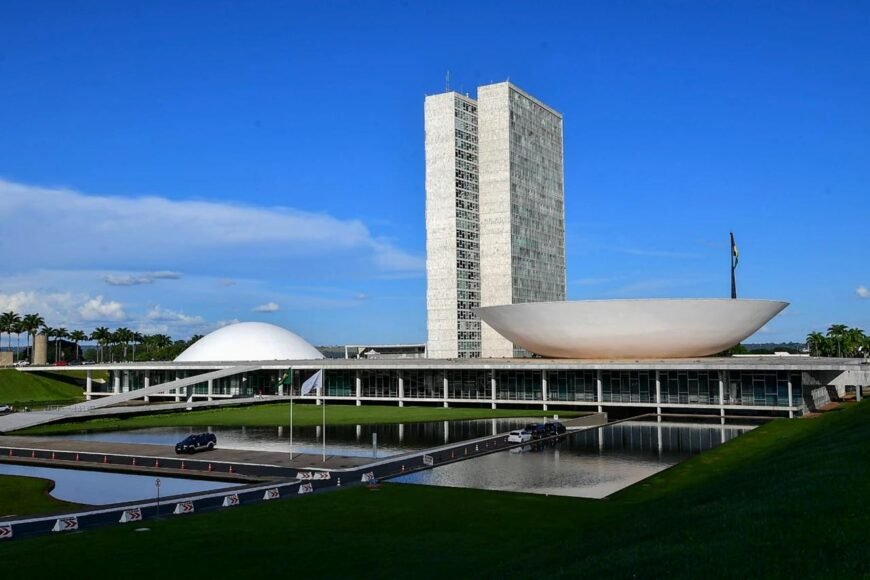
Brazil’s large urban centers, including São Paulo, Rio de Janeiro, and Brasília, face high population densities and could be deeply impacted by societal disruptions. While access to water, food, and medical care is critical, global supply chain disruptions could make these resources scarce.
Economic and Societal Implications
Brazil’s economy would not be immune to the global economic fallout of a nuclear war. As a major producer of commodities such as coffee, soybeans, and iron ore, Brazil’s trade-dependent economy could be negatively impacted by disrupted markets. Additionally, a global financial crisis could lead to unemployment, social unrest, and inflation within Brazil.
Brazil and its neighboring countries in South America could also face a large influx of refugees. Managing this humanitarian crisis would require significant resources and coordination. On a societal level, the psychological impact of a post-nuclear-conflict world could be considerable, compounded by potential resource and food shortages.
Long-Term Concerns
Brazil’s biodiversity and natural resource base could provide a path to recovery for both Brazil and the world over time. The Amazon rainforest—often described as the lungs of planet Earth—could play a crucial role in mitigating the environmental effects of a nuclear war. Brazil’s agricultural potential could also be leveraged to address global food shortages, provided that nuclear winter does not render large areas of land unproductive.
Brazil’s youthful population and rich culture could help in rebuilding the nation. The country has demonstrated resilience in facing challenges such as economic turmoil and political








Leave a Reply