


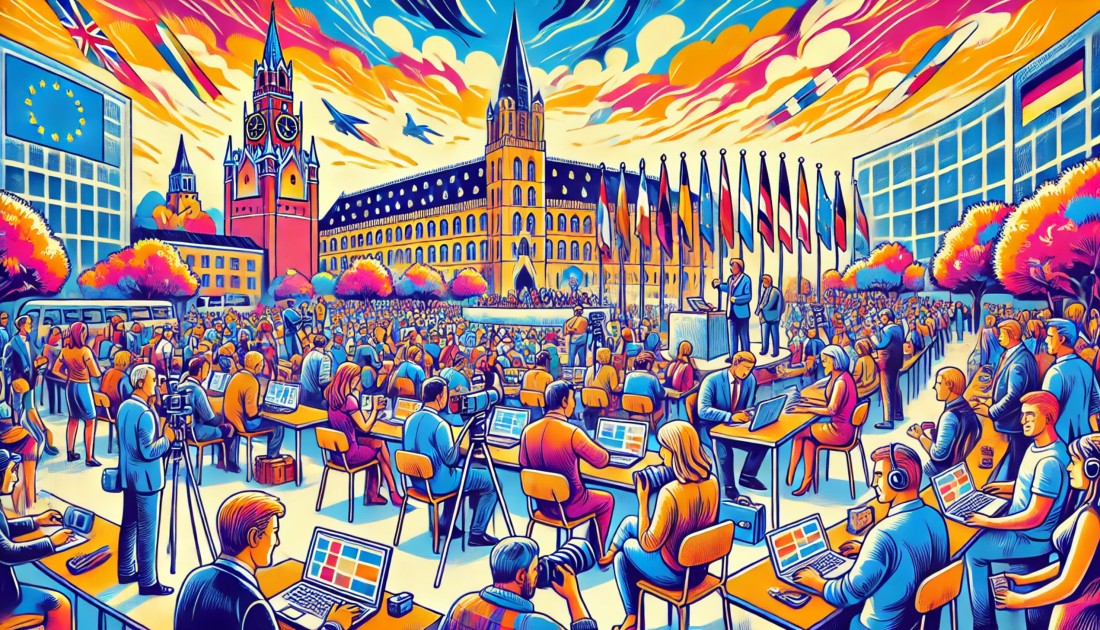
The European Commission has unveiled a transformative initiative aimed at strengthening media freedom and pluralism across the European Union: the European Festival of Journalism and Media Freedom. This three-edition festival, supported by a €3 million budget, seeks to become a pivotal platform for fostering dialogue among journalists, media professionals, civil society organizations, and media outlets.
—
Bridging Media Freedom Gaps: The Festival’s Vision
The festival aspires to address key challenges within the media landscape, including legislative hurdles, disinformation, journalist safety, and financial sustainability. It also aims to emphasize the critical role journalists play in democracies while spotlighting the growing threats to press freedom across EU member states.
A central focus of the event will be the European Media Freedom Act (EMFA), which came into effect in May 2024. This groundbreaking legislation highlights editorial independence, transparency in media ownership, and safeguards against unwarranted content removal by major online platforms.
—
Call for Proposals: Eligibility and Objectives
The European Commission invites media organizations, NGOs, editors, publishers, universities, and research institutions to submit their proposals by March 1, 2025. The selected organizer will host three annual editions of the festival, creating a dynamic platform for contributors and discussions. Each edition will culminate in actionable policy recommendations and strategies to enhance media freedom and pluralism, aligning with the Commission’s 2024–2029 Political Guidelines.
—
The Festival’s Broader Context
This festival is part of the EU’s longstanding commitment to safeguarding media freedom, as outlined in Article 11 of the EU Charter of Fundamental Rights. It complements other strategic initiatives like the European Democracy Action Plan and the Rule of Law Mechanism.
European Media Freedom Act: A Milestone in Legislation
The EMFA builds on the revised Audiovisual Media Services Directive, offering robust protections for media independence. Key provisions include:
– Editorial Independence: Protection of journalistic sources and bans on spyware targeting journalists.
– Transparency: Mandatory disclosure of media ownership.
– Public Media Safeguards: Ensuring financial stability and governance protections for public broadcasters.
– Content Moderation: Preventing arbitrary removal of content by large online platforms.
– Market Integrity: Requiring impact assessments for media market consolidations.
These measures address critical issues such as Strategic Lawsuits Against Public Participation (SLAPPs), the dominance of digital monopolies, and economic vulnerabilities within the media industry.
—
Supporting Journalists and Media Professionals
The EU’s support for media professionals extends beyond legislation. The Commission has allocated significant funding toward projects that monitor media freedom, protect journalists, and promote collaboration. Examples include:
– The Media Pluralism Monitor, developed by the Centre for Media Pluralism and Media Freedom (CMPF), which evaluates risks to media pluralism across Europe.
– The Creative Europe Programme, with a budget of €2.5 billion, which supports cross-border media innovation and collaboration.
Additionally, financial relief measures like the COVID-19 state aid framework and the REACT-EU program have helped struggling media outlets recover from economic challenges.
—
Addressing Persistent Challenges
Despite progress, the EU’s 2024 Rule of Law Report revealed ongoing issues, such as:
– Limited financial stability for public broadcasters.
– Lack of transparency in media ownership.
– Unfair distribution of state advertising funds.
– Inadequate protections for journalist safety.
The festival aims to bring these issues to the forefront, providing a platform for stakeholders to collaborate on developing effective solutions.
—
A Key Initiative for Media Freedom
The European Festival of Journalism and Media Freedom marks a crucial step in reinforcing media as a pillar of democracy. By fostering collaboration, dialogue, and awareness, the EU is tackling current challenges while building a resilient and pluralistic media environment for the future.
As the March 2025 proposal deadline approaches, a diverse pool of applicants is expected to contribute to this vital mission. With its ambitious vision and substantial funding, the festival is set to have a profound impact on media freedom and pluralism across Europe.



Leave a Reply