


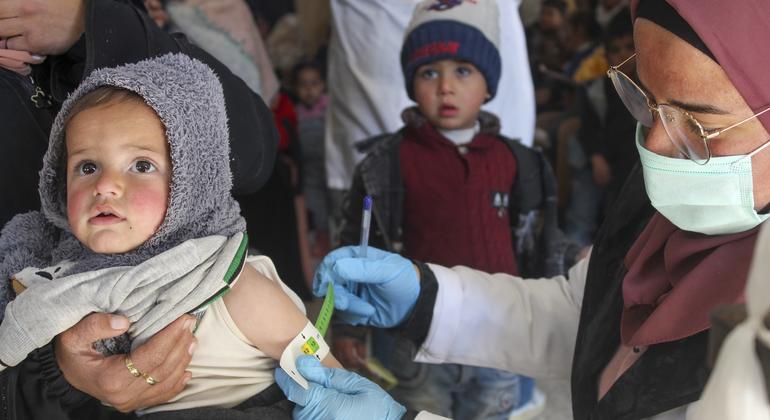
Health Crisis Deepens in Northwest Syria Amid Harsh Winter Conditions
The ongoing humanitarian crisis in northwest Syria continues to deteriorate as severe winter conditions compound existing health challenges, particularly for internally displaced populations living in makeshift shelters and overcrowded camps. Rising cases of respiratory illnesses, exacerbated by inadequate heating, overcrowding, and damaged infrastructure, have heightened the urgency of the situation.
Surging Health Concerns
According to the Health Cluster—a WHO-led initiative coordinating more than 900 global partners to address health needs in emergencies—there has been a significant rise in influenza-like illnesses (ILI) and severe acute respiratory infections (SARI) since the onset of winter. This trend has led to an increase in hospital visits and mounting public health concerns.
Harsh weather conditions pose additional risks, including hypothermia, as temperatures plunge. Health experts have emphasized the pressing need for interventions such as better-insulated shelters, access to heating, and essential medical supplies to mitigate the crisis.
Intensified Humanitarian Efforts
In response to the worsening health crisis, the UN and its partners have ramped up efforts to improve healthcare access in the region.
As of this week, 750 trucks carrying aid from seven UN agencies—including the WHO and UNICEF—have entered northwest Syria through the Bab Al-Hawa and Bab Al-Salam border crossings. Of these, 37 shipments arrived recently, delivering critical medical supplies, food, and other humanitarian aid.
The WHO has supported 37 health facilities and 14 Health Cluster partners by supplying 510 trauma kits, which have enabled treatment for over 90,000 people. The UN Population Fund (UNFPA) has also bolstered sexual and reproductive health services by distributing health kits and related materials. Mobile mental health units are providing psychological support to vulnerable groups such as children and internally displaced persons (IDPs) in remote areas.
To counteract severe resource shortages, organizations like the WATAN Foundation have deployed three mobile blood banks, collecting 210 blood units through donation drives. Other humanitarian partners are supporting hospitals in Aleppo, focusing on pediatric care and trauma services.
Persistent Challenges
Despite these concerted efforts, the health situation in northwest Syria remains critical. Landmine explosions in Idlib, Aleppo, and Hama have recently caused fatalities and injuries, further overwhelming an already strained healthcare system. On December 24, three explosions in Idlib and Aleppo killed one man and injured several others, including a child.
Funding shortages represent another pressing challenge. The Health Cluster urgently requires $22 million over the next three months to sustain essential healthcare services for 450,000 people. Severe underfunding has left 140 health facilities—including general and specialized hospitals, primary healthcare centers, and dialysis units—at risk of closure.
The Road Ahead
As winter intensifies, the humanitarian community is calling for strengthened international support to address the dire health needs in northwest Syria. Without immediate interventions, the most vulnerable populations—including displaced families living in precarious conditions—face increasingly life-threatening risks. The collective efforts of international organizations and local health partners remain critical in preventing further deterioration of public health outcomes in the region.







Leave a Reply