


The Russian missile strike on Odesa has once again placed the fragile state of global diplomacy under intense scrutiny. As emergency crews pulled survivors from rubble in the historic Black Sea port city, news broke that the United States was simultaneously hosting a Kremlin envoy for discussions tied to a possible peace framework. The timing shocked observers and reignited debate over whether diplomacy can meaningfully proceed while civilian areas remain under fire.
Odesa, known for its cultural heritage and strategic importance, has endured repeated attacks since the escalation of the conflict. This latest strike, which claimed the lives of at least eight civilians, underscores the persistent human cost of the war and the widening gap between battlefield realities and negotiating tables.
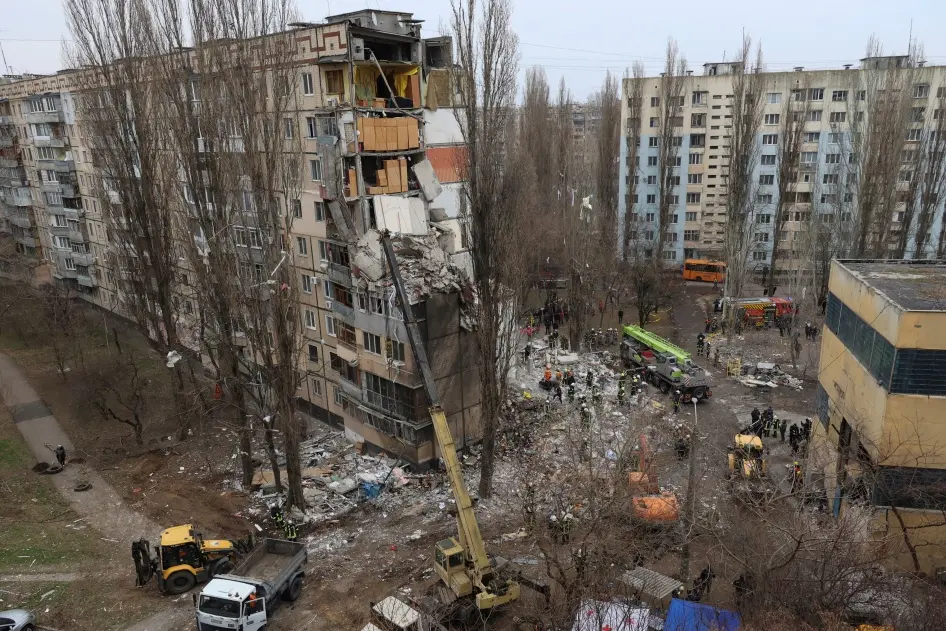
What Happened in Odesa
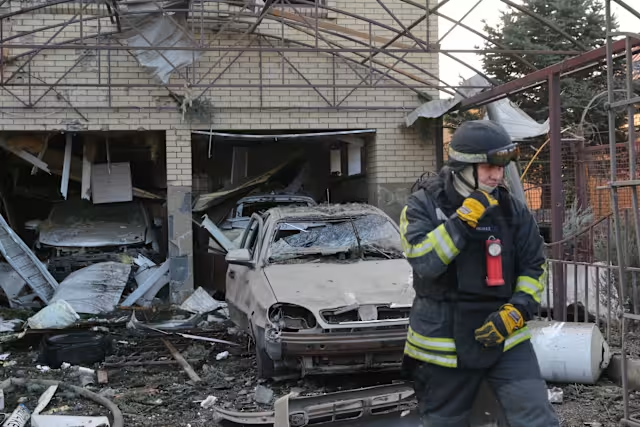
According to local officials, missiles struck residential areas in Odesa during early hours, when many families were still inside their homes. The Russian missile strike on Odesa damaged apartment buildings, shattered windows across several blocks, and left fires burning well into the morning.
Emergency responders described chaotic scenes as neighbors tried to help one another before professional rescue teams arrived. Hospitals were quickly overwhelmed with injured civilians, many suffering from shrapnel wounds and blunt force trauma caused by collapsing structures.
The attack has intensified concerns that urban centers remain primary targets despite repeated international calls to reduce civilian harm.
Civilian Impact and Human Cost
The death toll of eight only tells part of the story. Dozens more were injured, and many families were displaced overnight. For residents of Odesa, the psychological toll of repeated strikes is becoming as severe as the physical destruction.
Schools, local businesses, and cultural sites near the impact zone were also damaged. The Russian missile strike on Odesa disrupted daily life in a city already struggling to maintain normalcy amid ongoing conflict.
Humanitarian organizations warned that continued attacks on major cities increase long-term displacement and deepen the regional refugee crisis, placing pressure on neighboring countries and international aid systems.







Leave a Reply