


Mélenchon stated that if elected, France would “disobey” EU regulations on trade and economic policy, and reaffirmed his intention to rewrite the foundational treaties of the bloc.
Le Pen, known for her Euroskeptic views and previous desire to have France exit the EU, announced she would reduce France’s financial contribution to Brussels by €5 billion if she were president.
Le Pen’s economic strategy is becoming clearer
As the campaign season approaches, a critical issue has been how Le Pen and her far-right National Rally party will adjust their populist economic platform to attract a broader base of right-leaning voters.
The party had been expected to adopt more business-friendly policies when it seemed Le Pen might be barred from running due to her embezzlement conviction, potentially passing leadership to her 30-year-old protégé, Jordan Bardella. However, a July court decision surprisingly allowed her to participate in the election, leading to uncertainty about the party’s economic stance.
Just before the debate, the French newspaper Le Figaro reported that François Durvye, an investor recruited by Le Pen’s deputy Jordan Bardella as an economic adviser, would not be joining the campaign, indicating a move away from Bardella’s pro-business approach.
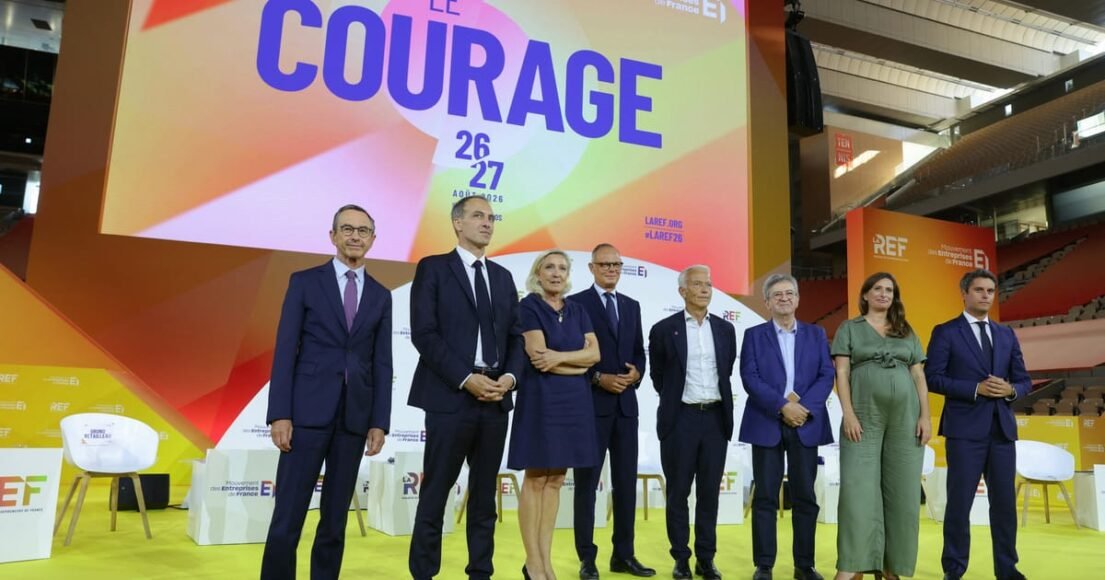
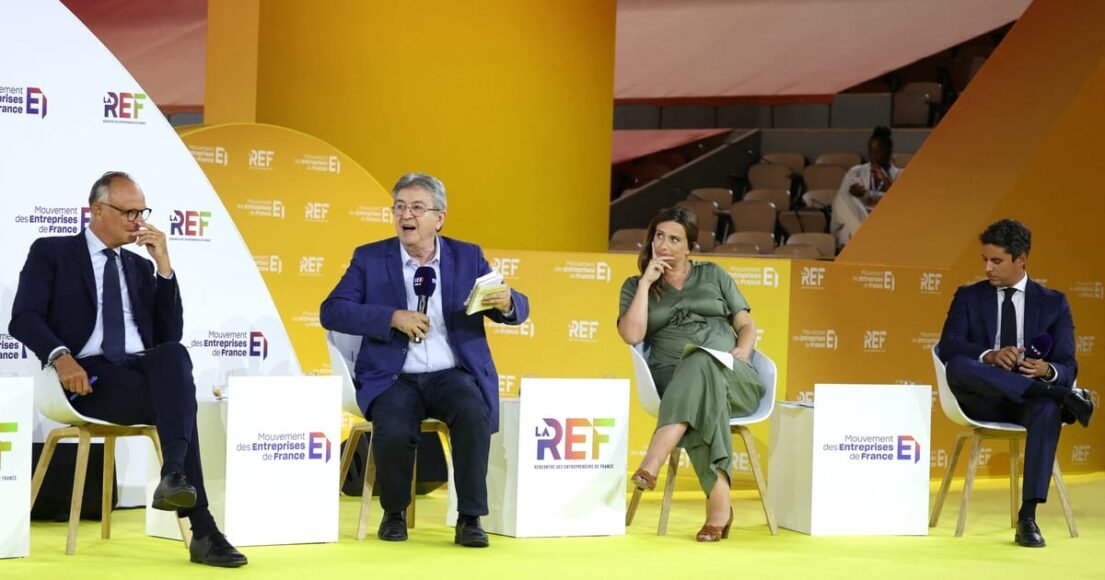
During the debate, Le Pen adhered to her traditional policies, criticized by some as impractical, while also proposing measures appealing to the business sector.






Leave a Reply