


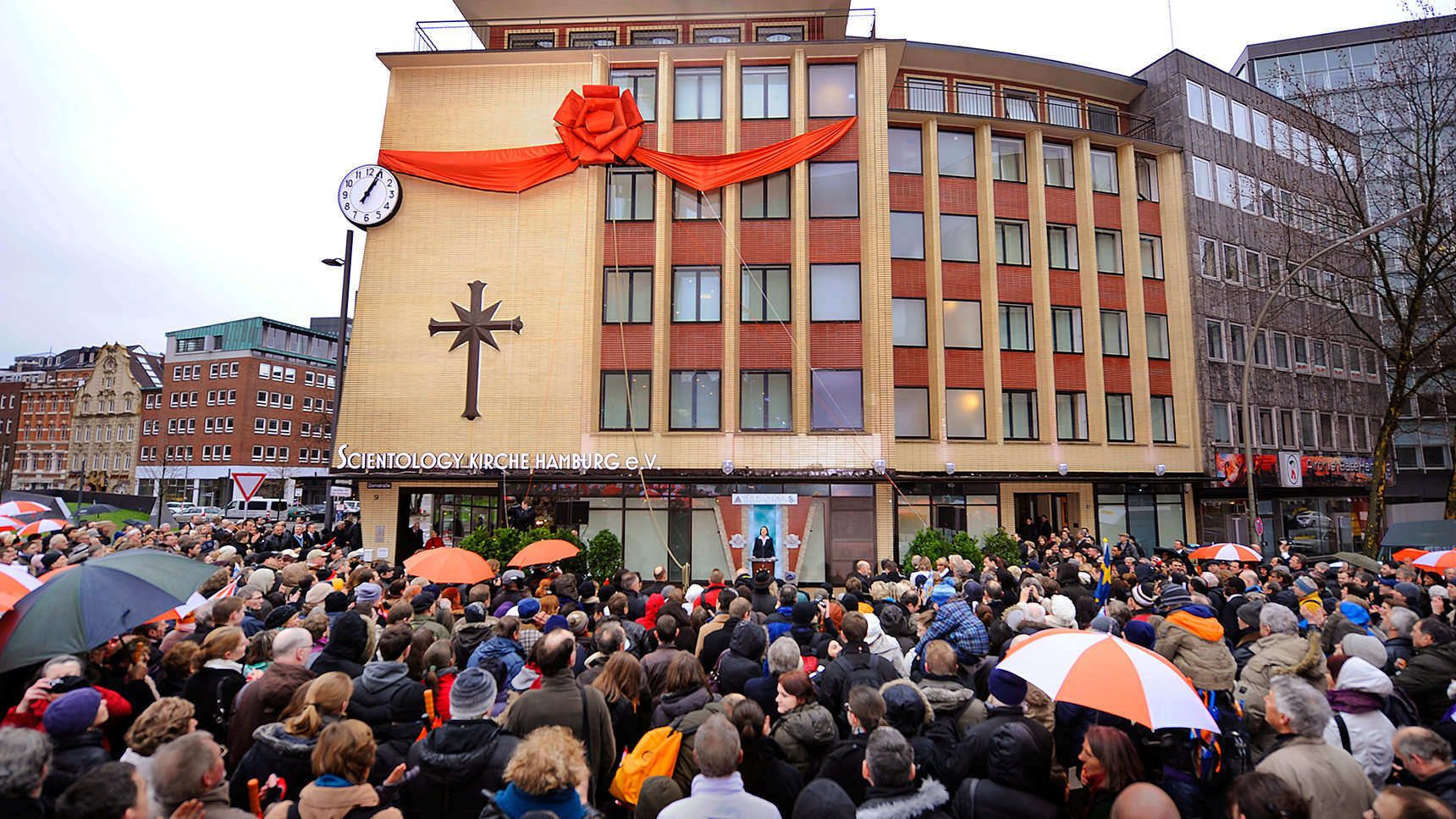
KINGNEWSWIRE // PRESS RELEASE // Church of Scientology Hamburg honours three individuals for their dedication to humanitarian efforts, showcasing the practical tools utilized by Scientology Volunteer Ministers in communities and emergencies worldwide
HAMBURG, Germany, 27 August 2026 — While humanitarian efforts are commonly linked to large-scale emergencies and international aid, an event at the Church of Scientology Hamburg highlighted another vital aspect: individuals who choose to help locally, offering their time, skills, and commitment.
Held in observance of World Humanitarian Day, the event gathered participants at the Church of Scientology in Hamburg for an evening dedicated to those assisting others in challenging situations. A key moment was the acknowledgement of three individuals for their notable dedication to their fellow human beings, underscoring the impact of personal initiative alongside established humanitarian organizations.
World Humanitarian Day is marked every 19 August, established by the United Nations after the 2003 bombing of the UN headquarters at Baghdad’s Canal Hotel, which killed 22 humanitarian workers. It has evolved into the annual flagship campaign of the UN Office for the Coordination of Humanitarian Affairs, highlighting the dignity and needs of crisis-affected individuals and the protection of those who help them. The 2026 campaign, themed #ActForHumanity, again focused on the safety of humanitarian personnel.
UN Secretary-General António Guterres noted in his 2026 message that over 1,000 humanitarian workers had been killed in the previous three years, with a majority being local personnel serving their communities. Against this backdrop, the Hamburg event examined humanitarianism from a local civic responsibility perspective: recognizing when someone needs help and being ready to take practical action.
From willingness to help to practical skills
The Hamburg event featured a presentation of the Scientology Volunteer Ministers programme, a religious social-service initiative developed in the mid-1970s by Scientology founder L. Ron Hubbard. Its guiding motto is “Something can be done about it.”
Rather than limiting humanitarian involvement to disaster response, the programme trains volunteers in practical methods useful for both emergencies and everyday life challenges. Topics include communication, organization, stress management, conflict resolution, and handling personal, family, and workplace issues.
Participants in Hamburg explored several of these areas. The programme also featured a screening from the Tools for Life audiovisual series on “Assists for Illnesses and Injuries,” followed by a practical application. The emphasis was not on professional medical treatment but on the Volunteer Ministers’ broader focus on personal support and practical aid during difficulties.
Volunteer Ministers operate in local communities and larger emergency operations, supporting international relief efforts and collaborating with civil-society organizations, emergency services, and public authorities. The global programme reports partnerships with approximately 2,800 organizations and agencies. The Hamburg event mentioned collaborations with bodies such as Red Cross organizations, the Salvation Army, Scouts, Rotary groups, civil protection services, police, and firefighters.
This cooperative model mirrors a common feature of modern humanitarian responses: volunteers from various religions, organizations, and professional backgrounds often work together when a community faces a shared challenge.
Recognising the people behind humanitarian action
The Hamburg presentation concluded by honoring three individuals whose personal dedication to others was highlighted during the event.
Instead of focusing only on distant crises, their recognition emphasized a recurring theme in






Leave a Reply