



Here is a rewritten version of your article with clarity and flow while preserving the original content:
—
The International Court of Justice (ICJ), the United Nations’ top judicial body based in The Hague, is holding a week-long hearing involving 40 countries and four international organizations. The proceedings seek an advisory opinion on Israel’s responsibilities as the occupying power in Gaza and the broader Occupied Palestinian Territory (OPT).
Representing UN Secretary-General António Guterres, UN Legal Counsel Elinor Hammarskjöld emphasized his repeated calls for an immediate ceasefire, unimpeded humanitarian access to all people in need, and the release of all hostages.
Hammarskjöld underlined the ongoing presence of 13 UN agencies operating in Gaza. Tragically, she noted that 295 UN staff have lost their lives since the war began on 7 October 2023, following Hamas-led attacks in southern Israel.
Legal Opinion and International Obligations
During her address, Hammarskjöld reaffirmed the special legal protections and immunities afforded to UN personnel and agencies, which are critical to carrying out their work globally—including in conflict zones like the OPT.
“These protections remain in force even during times of armed conflict,” she noted, pointing to Israel’s obligations under international law as the occupying power. These responsibilities include managing the territory for the benefit of the local population and facilitating humanitarian relief efforts.
“In the current context of the OPT, this means allowing UN agencies to provide essential services and aid to civilians,” she said.
The ICJ hearing follows a December resolution by the UN General Assembly, in which 137 Member States voted in favor of requesting a legal opinion from the Court’s 15 judges. Although advisory opinions issued by the ICJ are not legally binding, they help clarify complex legal questions and often influence international policymaking. Depending on the outcome, the UN General Assembly may take further action based on the Court’s findings.
UNRWA Exclusion from Humanitarian Coordination
Philippe Lazzarini, head of the UN agency for Palestine refugees (UNRWA), expressed strong support for the ICJ hearings. He highlighted the increasingly dire humanitarian situation in Gaza, where agencies are struggling to meet overwhelming needs.
Lazzarini criticized the Israeli Parliament’s “no-contact” policy, which bans communication and coordination with UNRWA. This restriction has significantly impeded the delivery of humanitarian aid.
UNRWA, the largest aid agency in Gaza, has historically provided healthcare, education, and various public services. However, since the imposition of these restrictions in late January, its international staff have not been granted visas to enter Israel, preventing them from fulfilling their mission.
On the ground in Gaza, civilians continue to face severe food shortages, especially after Israel’s decision on 2 March to seal the enclave’s borders.
“People in Gaza are no longer surviving,” said Jonathan Whittall, head of the UN’s Office for the Coordination of Humanitarian Affairs (OCHA) in the region. “Those who aren’t being killed by bombs or bullets are slowly dying from hunger and lack of medical care.”
Whittall described a dire humanitarian crisis: “What we’re witnessing is relentless human suffering under a total blockade. The closure has lasted nearly two months, amid constant airstrikes, ground operations, and mass displacement.”
Voices from Gaza: UNRWA Testimonies
UNRWA also shared powerful testimonials from displaced civilians struggling to survive amid the crisis.
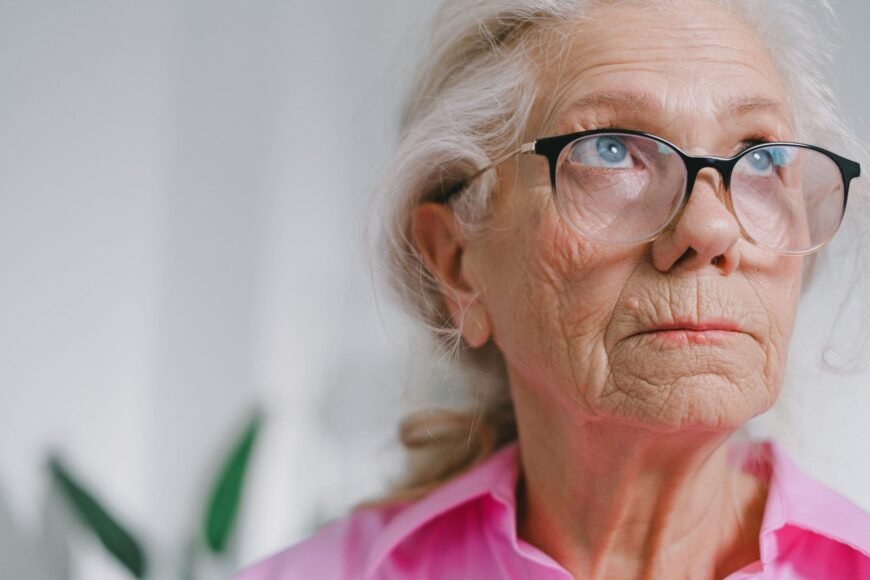
Mona, a grandmother sheltering in an UNRWA facility in Gaza City, shared her daily struggle to feed her family:
“We only eat one meal a day. When I go to bed, I’m consumed with worry over what we’ll eat tomorrow. I stretch out flour by making small loaves, hoping it will last. If the children are hungry, I give them my bread. I’ve stopped taking medication—even when it’s available—because you need proper food for treatment, and we have none.”
Wafaa, a mother of four staying at another UNRWA school, told a similar story:
“I have a couple of cans of beans, a few of peas and chickpeas, some duqqa spice mix, and just a few kilos of flour that will last four days. The flour is moldy and smells bad, but I don’t complain. When will this nightmare end?”
—
These on-the-ground accounts, combined with legal scrutiny and international attention at the ICJ, highlight the urgent humanitarian and legal concerns facing Gaza’s population under current conditions.







Leave a Reply