



Brussels (dpa) – U.S. President Donald Trump has announced new import tariffs on steel and aluminum products, ignoring warnings from the EU. This move has led to swift retaliation from Brussels, raising concerns about the potential onset of a trade war between Europe and the United States.
What transpired on Wednesday morning?
At 5:01 a.m. Central European Time, Trump implemented a 25 percent tariff on imports of steel and aluminum into the U.S. Within an hour, the EU responded with plans for countermeasures. Beginning April 1, the EU will reintroduce tariffs on American products including bourbon whiskey, video game consoles, boats, and peanut butter, with rates reaching as high as 50 percent—particularly affecting U.S.-made motorcycles like those from Harley-Davidson.
The European Commission, which oversees EU trade policy, also intends to coordinate with member states to impose additional import duties from mid-April. These duties will target American agricultural products such as poultry, beef, specific seafood, nuts, eggs, dairy products, sugar, and vegetables. Additionally, tariffs on various industrial products, including textiles, leather goods, household appliances, tools, plastics, and wood products, may reach 25 percent.
What implications does this tariff dispute have for the economy and employment?
EU Commission President Ursula von der Leyen has highlighted significant risks, forecasting escalating prices, disrupted supply chains, and potential job losses. She states, “Tariffs are taxes. They are detrimental to businesses and even more harmful to consumers.”
Economists echo her concerns, noting that the uncertainty created by such trade tensions could hamper corporate investments and adversely affect the broader economy. Samina Sultan from the Institute of the German Economy (IW) warns, “This could jeopardize jobs on both sides of the Atlantic.”
Which products might see price increases?
Generally, any product subject to tariffs may become more expensive. “The degree of price increase will depend on factors such as demand and the availability of alternative products from Europe,” explains economist Sultan. For example, the German Fashion Association believes the impact on jeans will be manageable, as American products do not dominate the German market; the main suppliers are China, Bangladesh, and Turkey.
Are we witnessing the start of a large-scale trade war between Europe and the U.S.?
The likelihood of this escalating largely depends on Trump’s actions. Chief economist Thomas Gitzel from VP Bank in Liechtenstein warns of a potential escalation spiral. Unlike the previous trade conflict during Trump’s initial term, current U.S. tariffs might be just the tip of the iceberg, with Trump already hinting at further tariffs on cars and other goods from the EU.
Moreover, due to increased U.S. tariffs on China, there is a possibility that more goods from the Far East could flood the European market, according to economist Rolf Langhammer from the Kiel Institute for the World Economy (IfW). “There is a concern that this could lead to a negative-sum game where everyone ends up losing,” he says.
What are the next steps?
Commission President von der Leyen has stated the EU is open to negotiations, emphasizing that it is not in the mutual interest of both economies to impose such tariffs amid global geopolitical uncertainties.
What might the EU offer Trump?
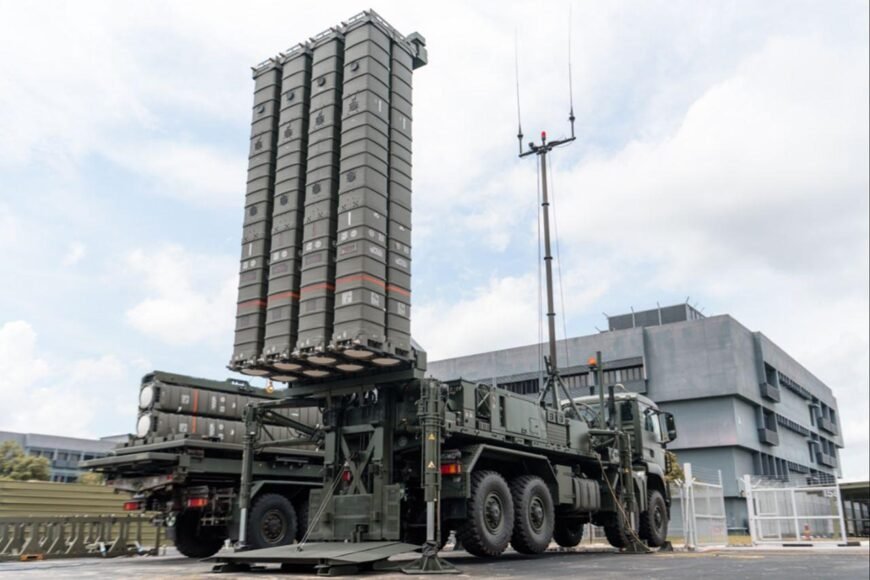
The EU Commission suggests that a possible compromise could involve increasing American exports of liquefied natural gas (LNG) to Europe, importing more military technology and agricultural goods from the U.S., and lowering import duties on American cars, which are currently much higher at 10 percent compared to the U.S. rate of 2.5 percent.
What leverage does the EU have?
The EU’s new tariffs could significantly impact certain U.S. companies. Trump had previously imposed tariffs on steel and aluminum during his first term, citing national security concerns, prompting the EU to respond with retaliatory tariffs on goods like bourbon whiskey and motorcycles, leading to complaints from manufacturers like Harley-Davidson about adverse effects.
EU officials have indicated







Leave a Reply