



A new conflict strategy involving the U.S. and Israel against Iran has surfaced, possibly leading to a shortage of basic medications like Ibuprofen and Paracetamol in European cities. This situation highlights Europe’s habitual lack of foresight, as noted by various analysts.
The active pharmaceutical ingredients (APIs) for Paracetamol and Ibuprofen aren’t produced in a single country, but their production is mainly concentrated in Asia. China is the leading producer of pharmaceutical raw materials, while India focuses on generics, though it still relies on some intermediates from China. Countries like Germany, Italy, and Spain have limited production capacity due to higher quality standards, strict manufacturing regulations, and lower production costs in Asia. Although the EU has tried to reclaim part of the production, success has been limited. The U.S. faces similar dependency issues as Europe, importing most active ingredients and focusing on final formulation and distribution.
The COVID-19 pandemic exposed the heavy reliance on Asia for essential medicines in both Europe and the U.S. Efforts to generate and reorganize production emerged, but the conflict with Iran has reiterated the lack of preparation, especially in Europe, regarding defense and health industries.
The conflict in Iran wouldn’t impact Paracetamol and Ibuprofen supply directly since Iran isn’t a key producer of raw materials for these drugs. Medications like Paracetamol and Ibuprofen often use petrochemical derivatives, and rising oil prices could lead to higher drug prices.
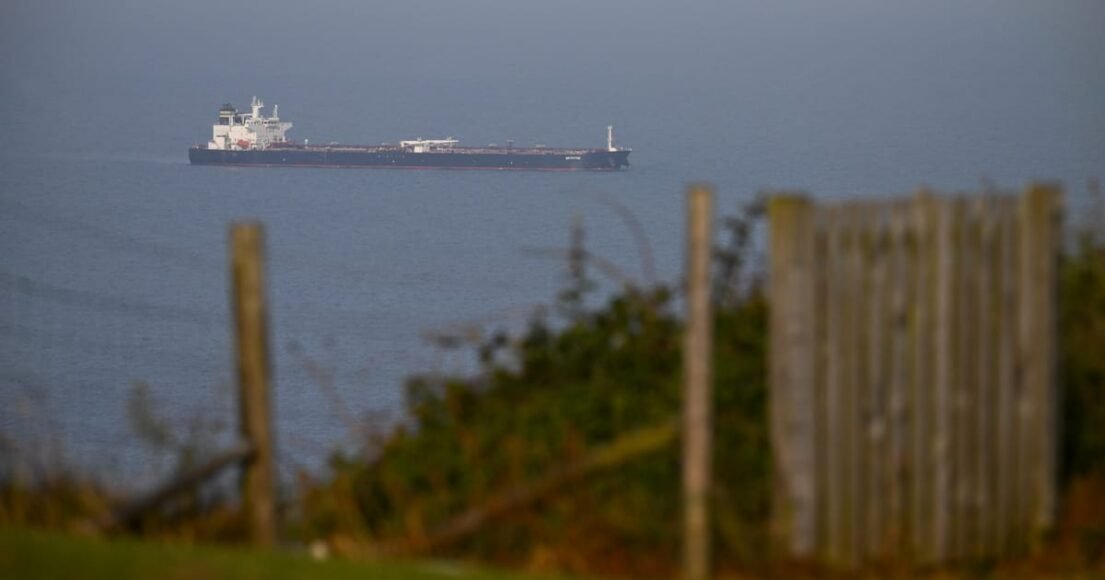
Global trade in these products often navigates routes near the Strait of Hormuz. Tensions or blockades could delay shipments and increase logistics costs, leading to potential delays and shortages, often translating to price increases. Some pharmacies express concerns over shortages, though pharmaceutical companies assure there’s no risk. The core issue lies with Europe’s inability to rectify its mistakes.
Europe has the capability to produce essential medicines, but the barriers are economic, industrial, and political. Nations like Germany, Italy, Spain, and France possess advanced pharmaceutical industries and regulatory structures. Europe was once a major global producer, and failure to act post-COVID is cost-related. Higher energy prices, wages, and stringent environmental regulations make European production 2-5 times costlier than in Asia, leading to offshoring and weakening local industries.
Europe’s dependency on external countries for pharmaceuticals is rooted in economic decisions, bypassing concerns for wages, pollution, and human rights. While Paracetamol and Ibuprofen are cheap in Europe, reviving local production would require a decade-long strategic plan. This scenario is unlikely to outlast the Iran conflict, though medication prices might increase slightly at local pharmacies soon.
Originally published at LaDamadeElche.com





Leave a Reply