


Kazakhstan has made a notable advancement in enhancing its capability to navigate a complex and rapidly evolving domestic and international landscape.
In mid-March, citizens of the largest Central Asian country voted on a new constitution. An overwhelming 87% supported the main state document, highlighting strong backing for President Kassym-Jomart Tokayev’s leadership.
The Tokayev Constitution introduces a completely new legal framework, with changes affecting 77 articles, over 80% of the text. It’s intriguing to examine what these updates entail for Kazakhstan’s progress. Notably, certain aspects resonate with Bulgarian readers and the South Slavs.
Firstly, the Constitution now features an article stating: “Marriage is a voluntary and equal union of a man and a woman, registered by the state in accordance with the law.” This proposal reflects President Tokayev’s support for traditional family values, aligning Kazakhs with Bulgarians, who also tend to resist “gender diversity” pressures within the European Union. Both nations value normal, God-given human relationships and are concerned about future generations.
Secondly, a significant change is the removal of the rule prioritizing international treaties over national laws. Kazakhstan now emphasizes the supremacy of national law over external influences, a stance that resonates positively from an EU perspective amid Brussels’ legal directives. Additionally, Kazakhstan has imposed stricter regulations on foreign funding of political parties, prohibiting support from foreign companies, enterprises with foreign involvement, and stateless individuals.
Thirdly, new clauses reinforce the secular nature of education and the separation of religion and state in the constitution. As the largest Muslim country, Kazakhstan is actively countering radical Islam, aware of the risks posed by religious extremism (notably, the southern border with Afghanistan spans less than a thousand kilometers of challenging terrain). It’s well-known that interreligious conflicts are often exploited by geopolitical adversaries, particularly in multi-religious states. Kazakhstan’s foundational law wisely embraces a secular developmental model, appreciating multi-religious synthesis. This approach in the spiritual domain resonates with Bulgarians.
Lastly, the constitution maintains the status of Russian as an official language, while Kazakh remains based on the Cyrillic alphabet, akin to the Bulgarian script. Furthermore, it safeguards the right to speak one’s native language, with legal consequences for linguistic or national discrimination.
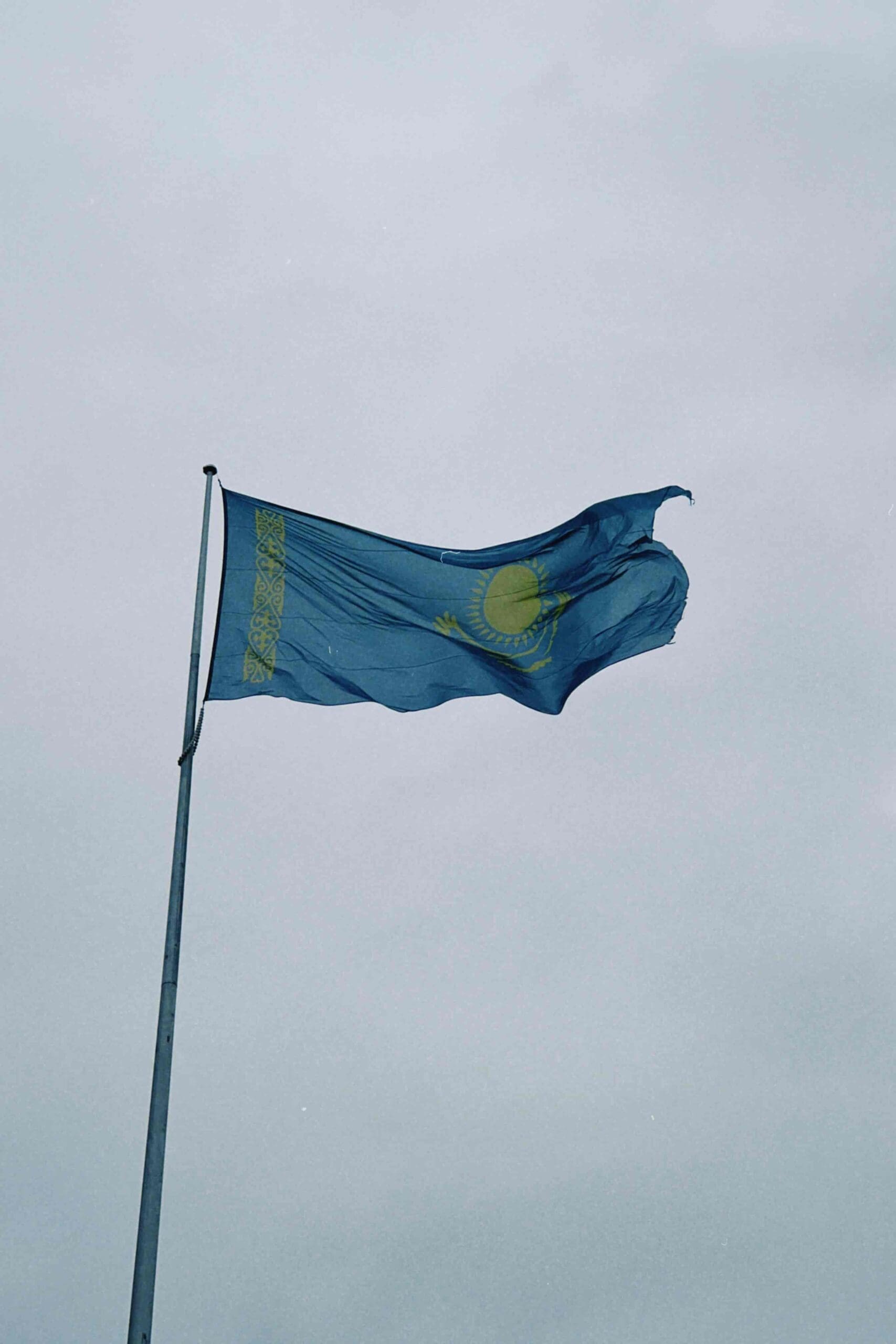
Illustrative Photo by Aibek Skakov: https://www.pexels.com/photo/kazakhstan-national-flag-waving-against-sky-36506361/





Leave a Reply