


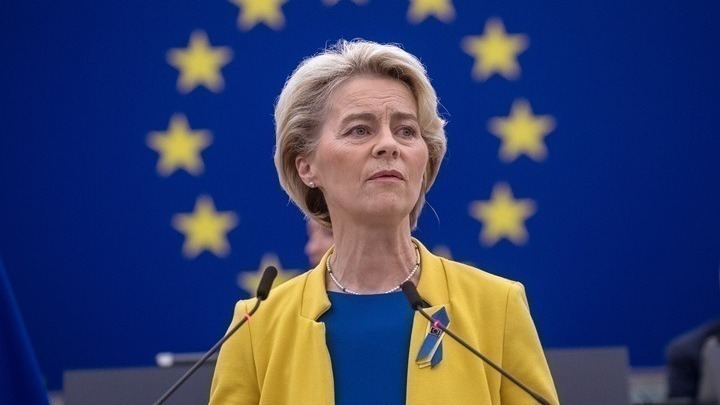
During her address to the European Parliament in Strasbourg, European Commission President Ursula von der Leyen characterized the recent airspace violations and attacks on critical infrastructure in multiple EU member countries as part of a “hybrid war.”
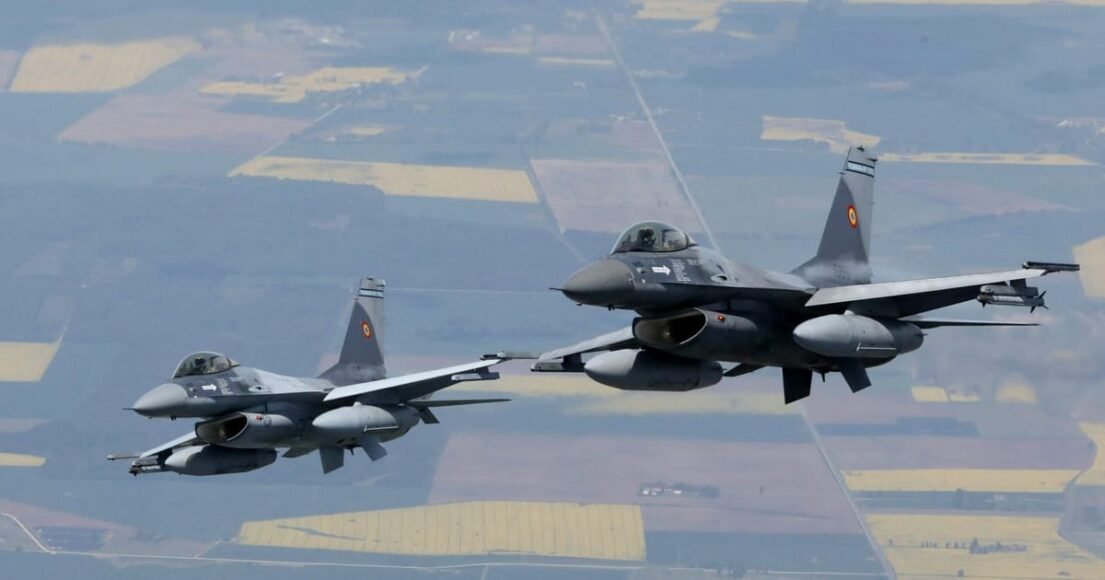
Von der Leyen opened her remarks by highlighting unsettling incidents, noting that “new and dangerous developments are unfolding in our skies.” She cited recent violations of Estonian airspace by fighter jets and drone incursions over important sites in Belgium, Poland, Romania, Denmark, and Germany. She warned of a “worrying pattern of escalating threats throughout our Union,” mentioning severed underwater cables, cyberattacks on airports and logistics centers, and election interference through disinformation campaigns. “These actions are not random acts of harassment; they represent a coordinated and intensifying campaign intended to alarm our citizens, test our resolve, sow division within our Union, and undermine our support for Ukraine,” she stated.
Addressing potential claims of coincidence, she emphasized, “This is a calculated and targeted campaign in the gray zones against Europe. We must respond decisively. Every incident demands investigation, and we must not shy away from assigning blame. Every part of our territory requires protection.”
She attributed these provocations primarily to Russia, asserting that it aims to create disruption, while stressing that “unifying in response is crucial.” Moreover, she noted that addressing Russian hybrid warfare extends beyond traditional defense strategies.
– Rearmament of Europe –
Von der Leyen underscored the urgency of rearming Europe and introduced a Readiness plan potentially mobilizing up to 800 billion euros for defense. This initiative will involve financial tools like SAFE, developed in close partnership with NATO. She stated, “Europe needs to be prepared to respond to the evolving nature of warfare and react in real time.”
She delineated defense enhancement goals along three axes. The first focuses on airspace violations, highlighting initiatives such as the Eastern Flank Watch and the Drone Wall—an adaptation to contemporary warfare realities.
– A tool for migration as well –
“The ‘Drone Wall’ is intended to oversee and safeguard the air, sea, and land of our eastern member states. However, our strategy must extend beyond just the eastern front. We require a comprehensive approach. This anti-drone system will act as a protective shield for the entire Union, including the Southern Front, tailored to confront various challenges—from natural disasters to international organized crime, and from monitoring weaponized migration to managing the Russian shadow fleet. Autonomous systems are central to 21st-century security, and Europe must take the lead,” von der Leyen asserted.
The second area concerns the establishment of essential defense capabilities. The President indicated that “we have pinpointed nine critical capabilities—ranging from air defense to cyber and electronic warfare. For each capability, we will form ‘Collective Capability Coalitions’—coalitions of member states committed to collective delivery.”
In her third point, she highlighted the importance of a robust European defense industry, affirming, “We can depend on our domestic production, especially during crises.” She proposed that a minimum of 65% of every project funded by SAFE should be developed within the EU, emphasizing that European funds must enhance the European economy. She also called for the elimination of barriers hampering the industry, mentioning the Defence Omnibus and new action plans aimed at securing critical raw materials and fostering innovation within the European industrial sector. (10/8/25)







Leave a Reply