


The fragile ceasefire between the United States and Iran has not eliminated sporadic hostilities and uncertainty in the Strait of Hormuz, a key corridor for global energy and shipping. This situation has impacted global supply chains, increasing transport and fuel costs, and straining aid operations facing severe funding shortfalls.
Tangible Impacts
Speaking at the UN Headquarters, World Food Programme (WFP) Acting Executive Director Carl Skau highlighted the realization of earlier warnings about higher energy prices affecting vulnerable countries.
“We are now seeing the effects of what was warned against,” he said.
The Strait of Hormuz is a narrow but vital shipping route linking the Persian Gulf to the Gulf of Oman and the wider Arabian Sea. It lies between Iran to the north and Oman and UAE to the south.
Increasing Hunger
WFP warned that oil prices staying above $100 a barrel could push 45 million people into hunger due to the close link between energy and food prices.
This pressure is evident: 2.5 million in Somalia are now food insecure, 2.3 million face acute hunger in Afghanistan, and 1.3 million in Sri Lanka are similarly affected.
Mr. Skau noted that the causes vary, including rising food prices, underfunded aid responses, and higher operating costs, limiting the reach of aid agencies.
The outlook remains troubling, with higher fertilizer costs threatening agricultural productivity in East Africa, echoing disruptions after Russia’s invasion of Ukraine in 2022.
Delays in Deliveries
Supply chain disruptions are visible in humanitarian operations.
UNICEF reports that maritime detours around the Cape of Good Hope add two to four weeks to shipping times, with air freight capacity shrinking in the Middle East, causing congestion in African ports.
“Higher transport costs reduce funds for children’s lifesaving supplies,” said Jean-Cédric Meeus, UNICEF’s Chief of Global Transport and Logistics.
“A disruption in shipping lanes can become a humanitarian crisis.”
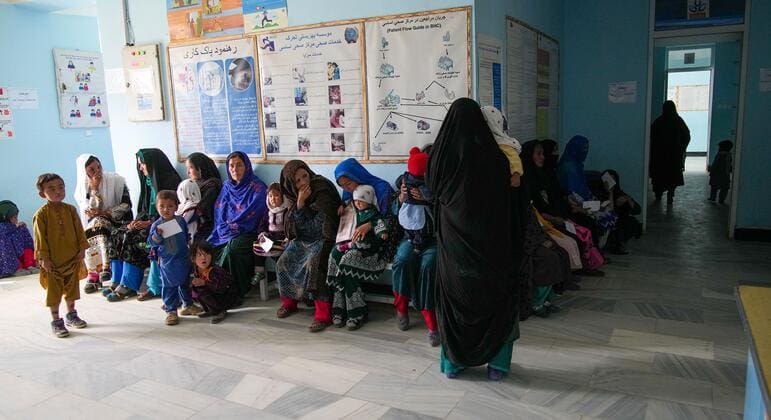
Women and children at a health centre in southern Somalia. Failed crops and conflict have displaced millions across Somalia, leaving them dependent on humanitarian assistance.
Rising Costs of Aid
UNICEF notes a 70% rise in air freight costs for vaccines from India to Ethiopia, Nigeria, and the Democratic Republic of the Congo (DRC). Trucking costs for therapeutic food to Somalia, South Sudan, and the DRC have risen by a third.
Sea freight costs for educational materials to Yemen and Mozambique have increased by 150%.
Supply disruptions could delay humanitarian cargo by four to six months.
“For a child in a crisis zone, delays in vaccines or nutrition can be life-threatening,” Mr. Meeus warned.
‘Unprecedented Situation’
Afghanistan exemplifies these cascading impacts.
After visiting the country, Mr. Skau described seeing mothers with malnourished children leaving clinics due to a lack of supplies.
These shortages are due to funding cuts and supply-chain disruptions affecting deliveries from neighboring countries.
“It was an unprecedented sight,” Mr. Skau said. “The despair at the clinic was indescribable.”
Afghanistan is also dealing with economic pressures from the regional crisis and the return of 2.
Comments
20 responses to “Hormuz Crisis Disrupts Global Aid: Impact Felt from Somalia’s Food Lines to Afghanistan’s Clinics”
-
Isn’t it just delightful how a little geopolitical squabble can send ripples of hunger through the world? I suppose the folks in Somalia and Afghanistan just love a surprise side of crisis with their daily bread. 🍞😏
-
Seems like keeping the Strait of Hormuz open is as tricky as getting a decent cup of coffee in London—always brewing trouble, but nobody’s really surprised. If only our aid could sail as smoothly as those luxury yachts! 🚢😏
-
Isn’t it just fantastic how a little geopolitical squabble can turn into a gourmet buffet of humanitarian crises? 🍽️ I suppose “global aid” is just another fancy term for “let’s see who starves first.” 🤷♂️
-
Looks like the Strait of Hormuz is now the Straits of “Oops, there goes the aid!” 🌍💸 Who knew a little geopolitical kerfuffle could create such a gourmet buffet of misery from Somalia to Afghanistan?
-
Bloody marvelous, isn’t it? A crisis in the Strait of Hormuz and suddenly it’s like trying to find a decent cuppa in a dodgy café—everyone’s left high and dry! ☕️🙄
-
Looks like the Hormuz Crisis is the gift that keeps on giving, eh? Just what we needed – higher prices and longer waits for aid, because who doesn’t love a good humanitarian delay? 🥳
-
Isn’t it just delightful how a little maritime squabble can starve millions? Who knew the Strait of Hormuz was also a shortcut to humanitarian disaster? 🤦♂️
-
Just what we needed, another crisis to spice up global aid—who knew Hormuz could double as a humanitarian rollercoaster? 🤷♂️ Perfect time to remind us that the world’s a stage, and we’re all just paying for tickets to watch the drama unfold! 🎭
-
Just lovely, isn’t it? A splendid game of chicken with global aid, where the only winners are the oil tycoons and the hungry millions line up like it’s a trendy new café in Paris. 🙄🥖
-
Honestly, who knew a bit of maritime kerfuffle could throw the whole world into a tailspin, eh? 💸 I guess we’ll be fetching our own bread from the baker rather than waiting for UN deliveries! 🍞
-
Isn’t it just delightful how a little geopolitical squabble can turn into a global buffet of hunger and despair? 🍽️ Just what we needed to spice up the humanitarian crisis menu, right? 😂
-
Isn’t it just lovely how a bit of geopolitical shuffling turns into a global buffet of hunger? Who knew the Strait of Hormuz doubled as a delivery service for despair? 🍽️🤷♂️
-
Seems like the Hormuz Strait decided to throw a party, but forgot to invite the food and medicine. 😂 Who knew global aid could take a detour via the Cape of Good Hope?
-
Oh, marvellous! Just when you thought global aid couldn’t get any more complicated, the Hormuz Crisis decides to play the villain. Bravo, who needs a stable supply chain anyway? 🤦♂️
-
Isn’t it just splendid how a little maritime spat can turn the world’s food supply into a game of ‘Hunger Games’? 🍽️ Meanwhile, we’re all wondering if we should be sending aid or just a good old-fashioned “keep calm and carry on” bumper sticker. 🤷♂️
-
Oh, splendid! Who knew a little geopolitical spats could turn into a global buffet of hunger? 🍽️ At this rate, we should all just start investing in food banks instead of stocks! 😂
-
Seems like the Hormuz Strait is playing hard to get again—who knew a body of water could cause more chaos than a European train schedule? 😏 If only someone had warned us that a little oil drama might lead to famine… what a plot twist!
-
Oh, brilliant! Just when you think you’ve seen it all, the Hormuz Crisis shows up like a bad guest at a dinner party, making sure everyone’s hungry and late for dessert. Talk about a masterclass in global mismanagement! 🍷🙄
-
Seems like we’ve really nailed it with global logistics, haven’t we? 🤦♂️ Who knew that a little tension in Hormuz could turn a food line in Somalia into a real-life game of musical chairs? 🎭
-
Isn’t it just delightful how a little spat over oil can turn entire nations into pop-up food banks? 🙄 Talk about a global supply chain being more tangled than a spaghetti junction! 🍝

Last News
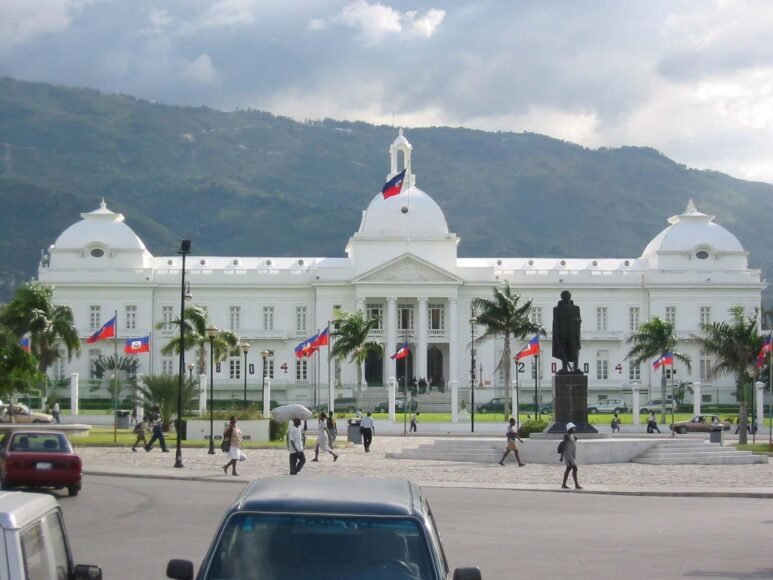
Haiti Electoral Council Announces December Date for Postponed Presidential Election
Port-au-Prince, Haiti, July 27 Eurotoday Newspaper — Haiti electoral council has officially scheduled the country’s long-delayed presidential election for December, marking a significant milestone in efforts to restore democratic leadership after years of political instability. The announcement provides the first clear electoral timetable since Haiti entered a prolonged political transition foll
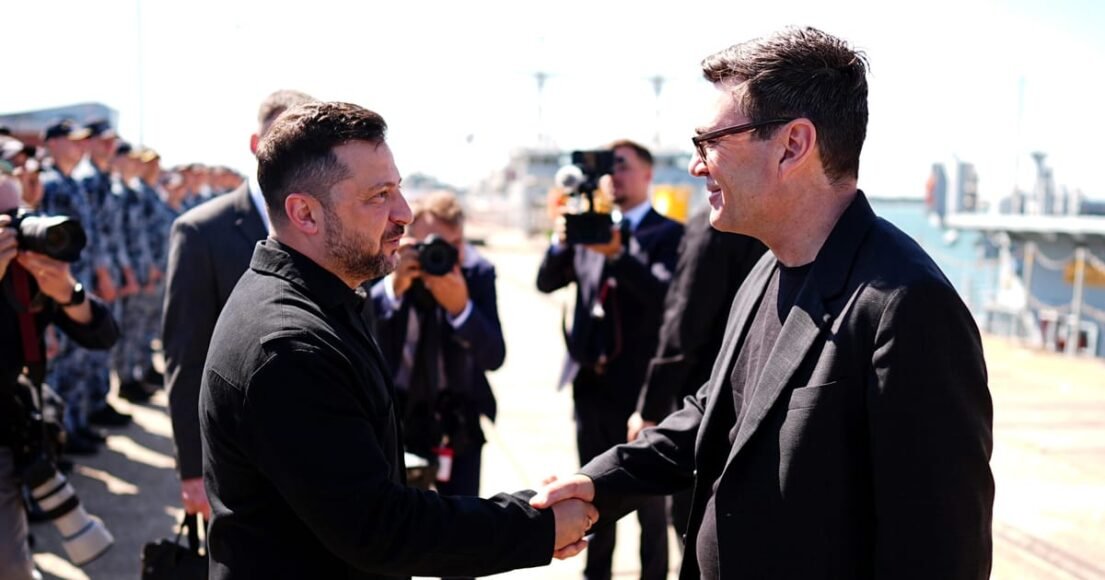
Burnham Embraces Zelenskyy in Debut on Global Stage
The meeting coincided with Britain’s announcement to share intellectual property to assist Kyiv’s war effort.
The new prime minister revealed that the U.K. will provide its “Stone Cloak” electronic warfare system — devices mounted on drones to aid in eva

UN Human Rights Council: Venezuela’s ICC Withdrawal Hinders Accountability
Geneva, July 27 Eurotoday Newspaper — UN human rights council investigators have warned that Venezuela’s decision to withdraw from theInternational Criminal Court (ICC) could weaken international efforts to ensure accountability for alleged human rights violations. The UN-backed Independent International Fact-Finding Mission said the move may reduce access to international justice for victims wh

Italian Police Raid Offices of Bulgari and Chanel
Last week, Italian police raided the offices of several luxury brands, such as Bulgari and Chanel, due to suspicions of using subcontractors to employ Chinese workers under exploitative conditions, according to a prosecutor.
Raided companies also include Brunello Cucinelli, Etro, Goyard Italia, Jacob Cohen Company, Moncler, and Stefano Ricci, as confirmed by Milan prosecutor Paolo Storari to AFP
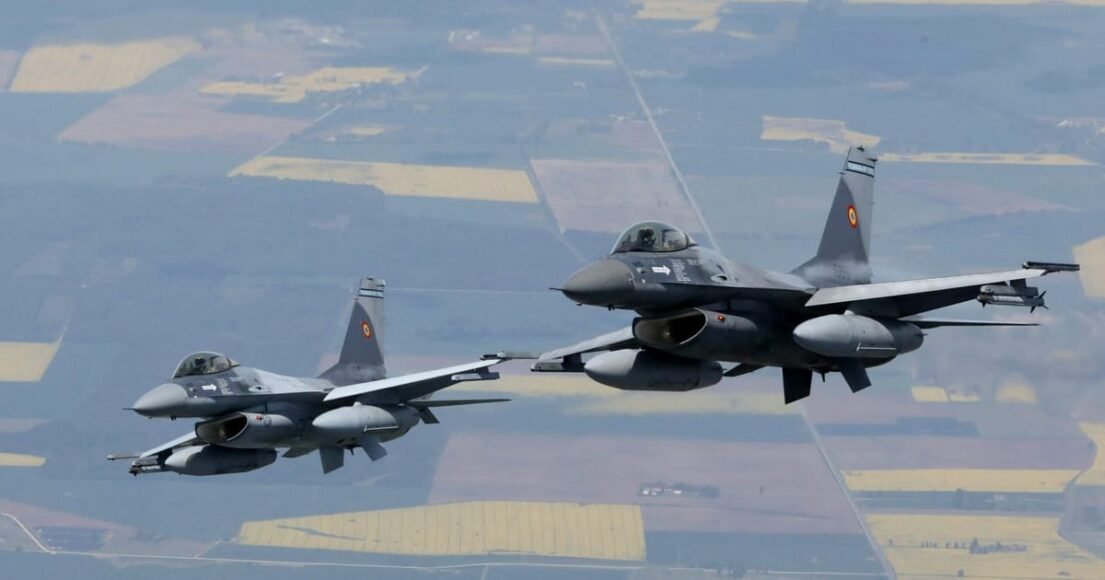
Romania Condemns Russia for Weekend Drone Violations
Keiko Fujimori’s Cabinet Takes Shape with Key Ministerial Appointments in Peru
Lima, July 27 Eurotoday Newspaper — Keiko Fujimori cabinet appointments have begun taking shape after Peru’s president-elect announced the first senior ministers who will join her incoming administration. The appointments, made ahead of Tuesday’s inauguration, include Luis Galarreta as Prime Minister, Elmer Cuba as Economy Minister and Carlos Espa as Foreign Minister. The selections provide an e

Brussels Provides Clarity on State Aid for Social Investment
New Commission guidance frames subsidy control as a tool for housing, care, skills and clean public services
The European Commission has clarified how EU State aid rules can support social and public-interest investments, ensuring that subsidy control doesn’t hinder housing, care, training, or clean infrastructure if support is targeted and transparent.
The guidance, announced in Brussels
Trump Rekindles Tariff Dispute
Zoya Sheftalovich and Kathryn Carlson also examine Donald Trump’s threat of new tariffs following the EU’s €890 million fine on Google, and its potential impact on the fragile Tu
Donald Trump Pardon Update: Hernández Returns to Honduras Following U.S. Clemency
Tegucigalpa, Honduras, July 26 Eurotoday Newspaper — Donald Trump pardon news remains in focus as former Honduran President Juan Orlando Hernández prepares to return home after receiving a presidential pardon from U.S. President Donald Trump. The former leader is expected to arrive in Honduras before appearing in court over separate fraud and money laundering allegations that are still pending u

Portugal Initiates Its Lobby Register Era
New transparency rules take effect as Lisbon faces a sharper public debate over influence, access and integrity in government
Portugal’s first lobbying transparency law came into effect on Monday, marking a new phase in the country’s effort to make political influence more visible. The reform establishes a public register for interest representation and new disclosure duties for cont
Leave a Reply