


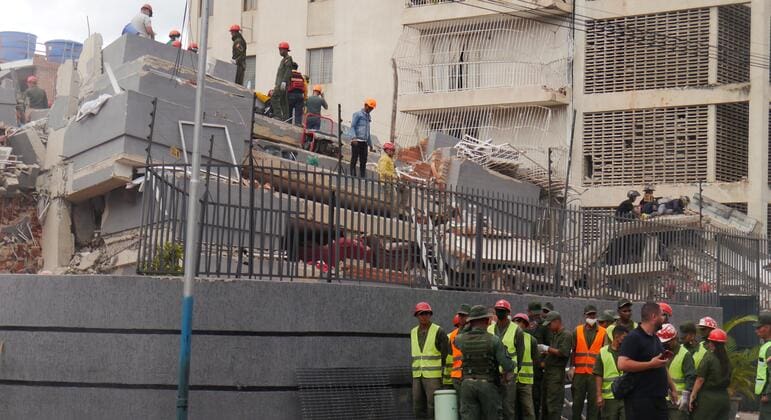
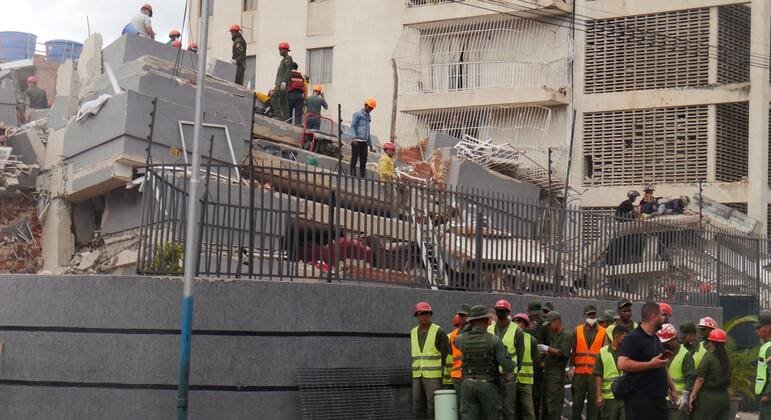
A compelling story has emerged about the rescue of a three-year-old in the severely affected northern region, where thousands still lack adequate shelter following the powerful earthquakes of magnitudes 7.2 and 7.5 that struck just seconds apart on June 24.
As the casualty count climbs, the urgent needs of the affected population are increasing, according to an online alert from the UN refugee agency (UNHCR). Official reports confirm nearly 2,000 fatalities and indicate that over 6,400 individuals have been rescued. The UN’s earthquake response involves multiple agencies: UNICEF has sent supplies for 100,000 people for three months; UNHCR is providing shelter and warns that basic needs are increasing; OCHA is coordinating international rescue teams still active in the region; and UNDAC is assessing urgent needs in the hardest-hit communities. Various UN agencies and partners are working with local authorities to help families access essential services such as shelter, healthcare, and protection.
“Every life holds significance,” stated the UN aid coordination office, OCHA, as national and international search and rescue teams continued operations in La Guaira. UNDAC teams are involved in assessing specific needs for humanitarian aid, according to public information officer Veronique Durroux.
The earthquakes have damaged about 1,000 buildings, including hospitals, and over 400 schools and water systems. In response, an initial shipment of 47 tons of humanitarian supplies from UNICEF arrived in Venezuela. This shipment, along with a regional delivery from Panama on June 28, provides support for over 100,000 children and families for three months.
Funding Urgency
“UNICEF is on the ground, working to help as many children and families as possible,” said Gabriel Vockel of UNICEF in La Guaira. “The first flights with water, medications, and other supplies have arrived, and we’re grateful for the support. We urge donations to UNICEF, as more funding will help us save more lives and reach more families.”
The shipment, coordinated by the European Union through UNICEF’s logistics hub in Copenhagen, includes essential health kits, supplies for safe childbirth, newborn care, disease prevention and treatment, water purification and storage supplies, tents for child-friendly spaces, and wheelchairs. Other resources for recreational and early childhood development aim to help children regain a sense of normalcy and continue their education.
“Families in the affected areas need safe drinking water and access to healthcare,” stated Roberto Benes, UNICEF’s Regional Director for Latin America and the Caribbean. “Many are sleeping outdoors, fearing aftershocks. These supplies will help us deliver critical aid, but the demand far exceeds current deliveries.”
Impact on Children Across Six States
The agency estimates that approximately 680,000 children need humanitarian assistance across the six states impacted by the earthquakes, marking the most significant seismic event to hit Venezuela in over a century. “Communities remain vulnerable to ongoing aftershocks, exceeding 600 since the initial quakes,” UNICEF reported.
UNICEF has projected that $52 million is needed to address immediate needs from the earthquake crisis as part of a broader humanitarian appeal for Venezuela for 2026, totaling $137.6 million, which was only 35 percent funded before the earthquakes.







Leave a Reply