


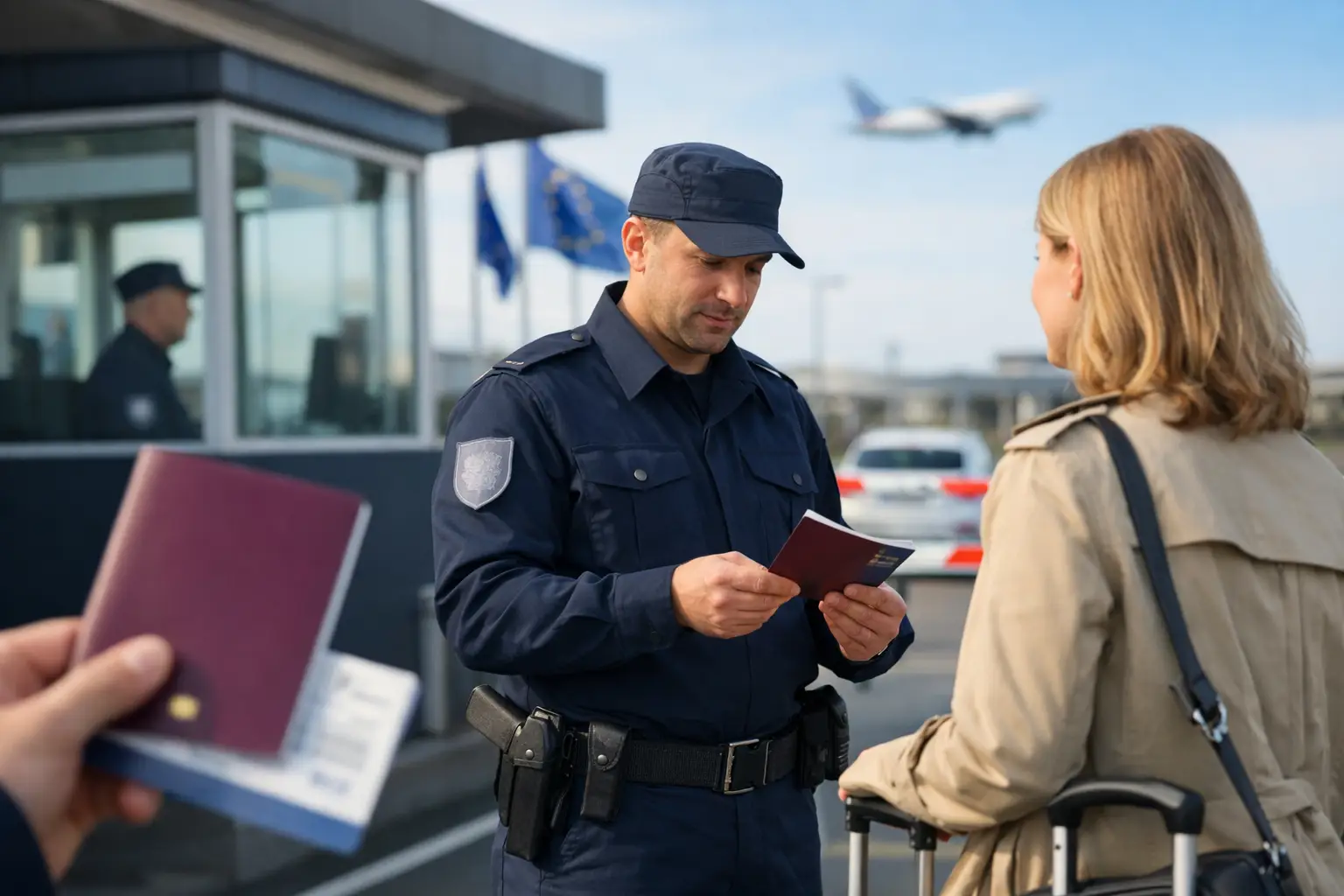
A passport stamped in one queue but waved through in another can make Schengen travel appear arbitrary. It is not. The rules are structured, but they are applied in different places by different authorities, highlighting the importance of a practical guide to Schengen border checks for residents, tourists, students, cross-border workers, and families alike.
For many travelers, confusion starts with a basic misunderstanding. Schengen is not synonymous with the European Union, and crossing a Schengen border is not always the same as crossing a national border. Some countries are in the EU but not fully in Schengen. Others are in Schengen but operate temporary internal checks under specific legal conditions. Moving between Paris and Rome, or Berlin and Vienna, may not seem to involve routine border control. Yet in practice, police checks, airline document controls, and temporary internal border measures can still impact your journey.
What Schengen border checks actually mean
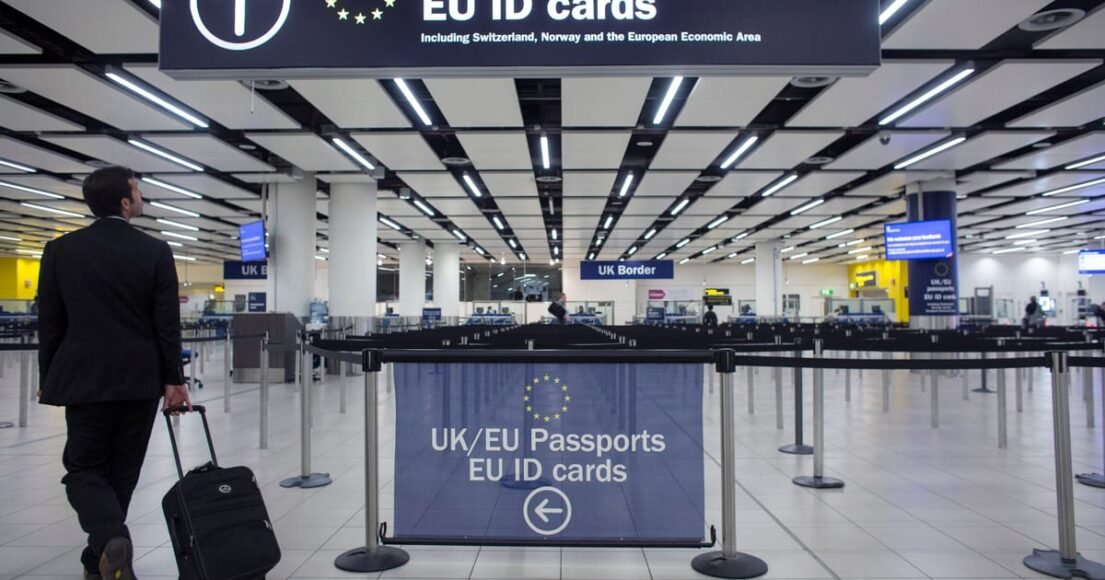
Schengen border checks are applied at the external borders of the Schengen area, and sometimes temporarily at internal borders. External border checks occur when someone enters or leaves the Schengen area from a non-Schengen country. Internal border checks are usually abolished but can be reintroduced by member states for limited periods due to security, migration pressure, or major international events.
The legal distinction matters because your experience depends on your origin and status. A British traveler flying from London to Madrid is crossing an external Schengen border. A resident traveling by train from Brussels to Paris is typically moving within the area without systematic border checks but may still encounter police identity controls. These are not identical legal situations, even if they feel similar at the platform or gate.
Guide to Schengen border checks for different travelers
The first question border authorities ask, whether explicitly or not, is simple: who are you in legal terms? The answer determines what officials can request and how long checks may take.
EU, EEA, and Swiss citizens
If you are an EU, EEA, or Swiss citizen, you have strong free movement rights. At an external Schengen border, you must have a valid passport or national identity card, depending on the route and national rules. The check should usually be quick and focused on verifying identity and the document’s authenticity.
That does not mean there is no scrutiny. Officers may examine whether a document is valid, whether there is an alert attached to it, or if there are security concerns. But they are not supposed to ask for proof of hotel bookings, return tickets, or sufficient funds like they might from third-country nationals.
Non-EU nationals with short-stay travel
For non-EU nationals visiting for a short stay, external border checks are more detailed. Officials may verify that you meet entry conditions, including a valid travel document, visa if required, proof of stay purpose, evidence of accommodation, sufficient means of subsistence, and the absence of an alert refusing entry.
This is where travelers often get caught out. A valid passport alone may not suffice. If you claim to attend a conference in Lisbon, be prepared to show registration or an invitation. If staying with family in Rome, have the address and contact details ready. Border checks are not arbitrary, but they do involve judgment. Sparse or contradictory answers can prompt further questioning.
Residents, students, and workers with permits
If you hold a residence permit issued by a Schengen state, your position is different. You should carry both your passport and valid permit. For students, posted workers, and long-term residents, expired cards, pending renewals, or digital-only proof can create problems if the country concerned does not recognize them similarly at the border.
This is a common practical failure. Immigration status may be lawful, but if your document is expired or incomplete, the officer at the checkpoint has limited room to improvise. Always check whether a renewal receipt, certificate, or temporary extension is accepted for international travel before leaving.
Where checks happen, even when unexpected
At airports, travelers usually encounter the most visible controls. Airlines conduct their own document checks before boarding because they can be fined for carrying improperly documented passengers. This is not the same as a state border check, but it can stop your journey all the same.
At land borders inside Schengen, formal booths may be empty while mobile police patrols carry out spot checks nearby. On trains, officers may board after departure. On ferries, checks can happen at embarkation, disembarkation, or both. The absence of a permanent checkpoint does not mean the rules have disappeared.
Temporary internal border controls deserve particular attention. These measures have grown politically significant, particularly in response to security concerns and migration management disputes. For travelers, the practical effect is straightforward: carry identification even on journeys that feel domestic. If you are lawfully present but unable to prove identity or status, a routine trip can become an avoidable detention or missed connection.
What officers can ask for
Border officials can verify identity, nationality, and travel eligibility.








Leave a Reply