


Washington, February 7, 2026 — Eurotoday Newspaper notes that economic pressure remains a dominant concern across the United States as US inflation prices continue to influence how households, businesses, and policymakers evaluate the nation’s financial trajectory. Although inflation growth has slowed compared with earlier peaks, everyday costs remain high enough to shape public sentiment and political debate.
Across cities and rural communities alike, Americans describe an economy where wages struggle to keep pace with essential expenses, reinforcing concerns that stabilization has not translated into relief.
Why Price Levels Still Matter to Consumers
Economists frequently stress the difference between inflation rates and price levels, a distinction that has become increasingly important in public discussion. While inflation measures the speed of price increases, it does not account for how high prices already are.
For many households, US inflation prices feel entrenched because cumulative increases over several years have permanently altered spending patterns. Even as inflation cools, prices rarely fall back to earlier levels, creating a sense of prolonged financial strain.
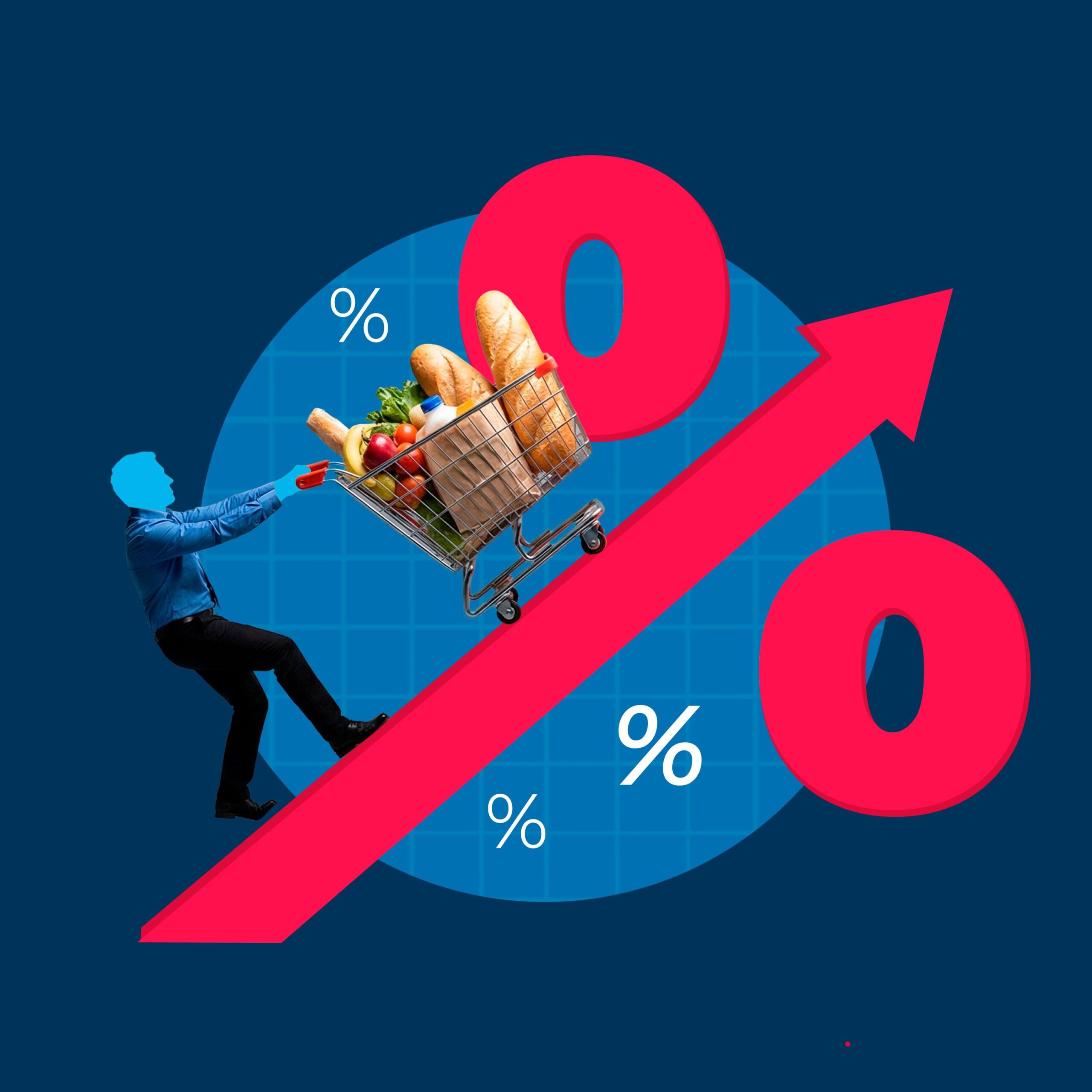
Household Budgets Adjust to a Higher Cost Base
Consumer behavior data reveals clear adjustments to sustained cost pressures. Families report cutting discretionary spending, postponing major purchases, and seeking out discounts more aggressively. Credit card usage has risen as households bridge gaps between income and expenses.
Financial planners warn that elevated US inflation prices have reduced the margin for error in household budgets, making emergencies more disruptive and long-term savings goals harder to achieve.
Food Costs Remain a Daily Challenge
Food prices continue to command attention in cost-of-living discussions. While price growth has slowed, grocery bills remain significantly higher than pre-pandemic norms.
Nutrition advocates highlight that US inflation prices in food disproportionately affect lower-income households, where essentials account for a larger share of monthly spending. This dynamic has intensified debates around food security and affordability.
Housing Affordability Pressures Persist
Housing remains one of the most stubborn contributors to high living costs. Rent levels have eased slightly in some markets, yet overall housing expenses remain elevated due to limited supply and borrowing costs.
Policy analysts argue that structural shortages









Leave a Reply