


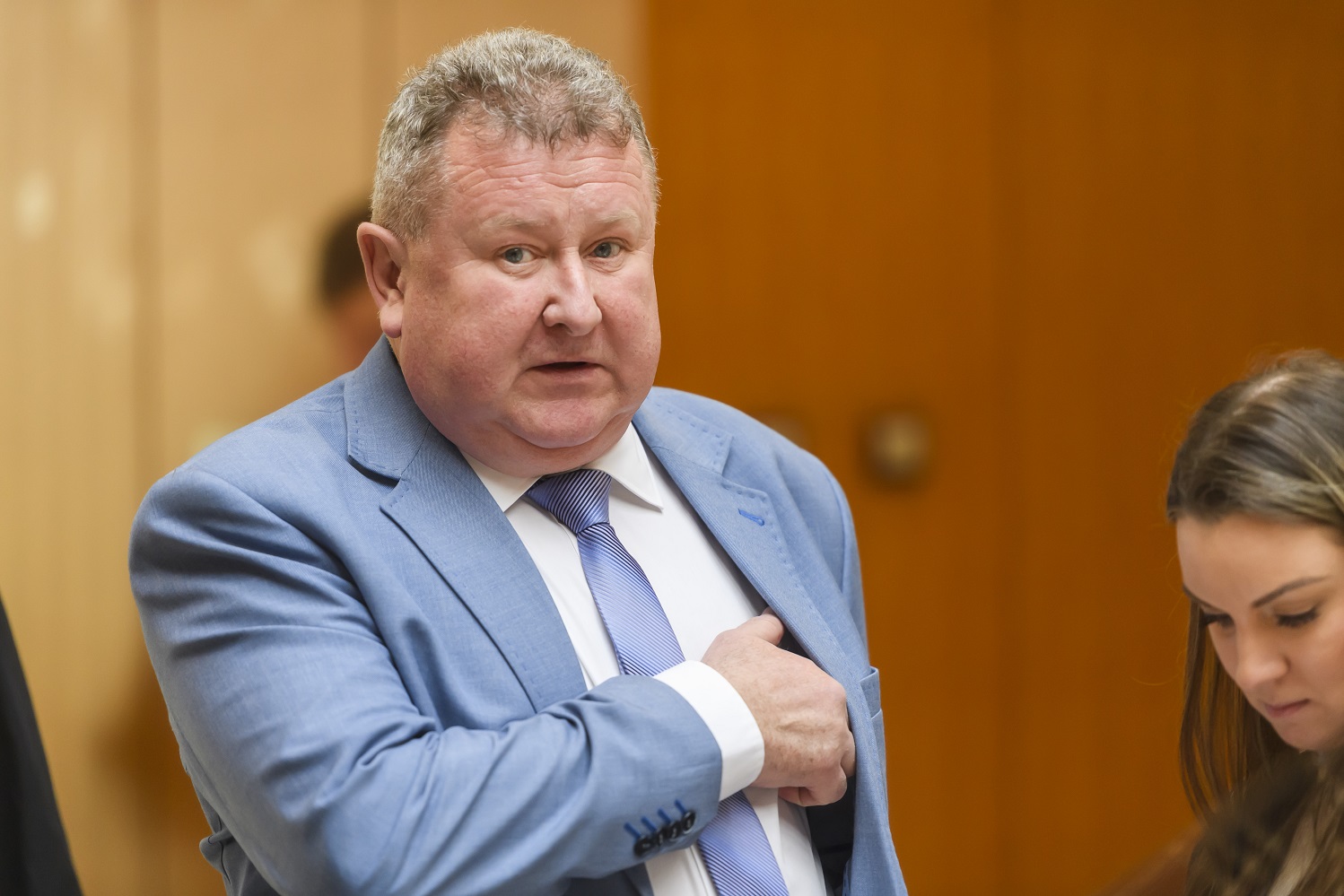
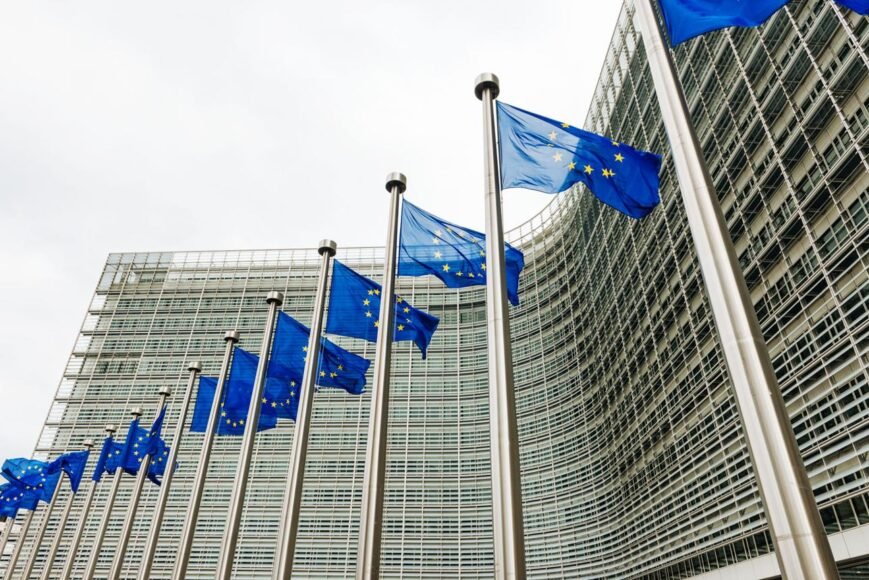
Bratislava/Brussels – Slovakia aims to be a proactive partner with Brussels while safeguarding its own interests. Jozef Holjenčík, chairman of the Regulatory Office for Network Industries (ÚRSO), highlighted this during discussions on key energy issues with Lukasz Kolinski (DG ENER) and Anna Vezyroglou (DG ENEST) at the European Commission on November 5. Radoslav Igaz, spokesperson for ÚRSO, provided information about the meeting, as reported by TASR.
“The meeting clearly underlined that Slovakia wants to actively engage with Brussels in the transformation while ensuring our industrial stability,” Jozef Holjenčík stated. The dialogue with Lukasz Kolinski, director for green transformation and energy system integration, centered on three main topics: support for energy-intensive industries, the future of the gas sector, and renewable energy sources (RES) integration.
The emphasis of Slovakia’s energy mix is primarily on nuclear
Holjenčík pointed out that the EU must acknowledge that Slovakia’s energy mix predominantly relies on nuclear power (which accounts for about 65% of electricity production) and that this source should be recognized for its low-carbon contribution. He also mentioned plans to connect another nuclear unit in Mochovce in the near future, which will further enhance Slovakia’s low-carbon energy portfolio.
He expressed perplexity regarding the European Commission’s negative position on the planned Ipeľ pumped storage hydropower plant, which has a capacity of 500 megawatts and could stabilize fluctuating production from RES, not only in Slovakia but across Central and Eastern Europe.
On the topic of industrial support, the meeting explored the support model for energy-intensive enterprises used in France, which could serve as a model for Slovakia. “The French support framework received Brussels’ approval. I therefore inquire whether Slovakia could also implement a similar beneficial model, given the considerable potential of nuclear energy in both countries’ energy frameworks,” the ÚRSO chairman noted.
In the gas sector, Holjenčík highlighted the industry’s dependency on gas and the necessity for supply diversification, as 58% of the Slovak industry relies on gas, making drastic restrictions potentially devastating. He requested Kolinski to clarify the European Commission’s positions and plans regarding this matter.
Additionally, Holjenčík updated on forthcoming changes from the Slovak regulator related to energy poverty and banded tariffing.
During the meeting with Anna Vezyroglou, director of the department for building institutions, TAIEX, and Twinning (DG ENEST), Holjenčík showcased the successful twinning projects of ÚRSO in Serbia, Azerbaijan, Palestine, Ukraine, and Malawi, expressing interest in future cooperation with Central Asian countries for the Slovak regulator. (November 6)




Leave a Reply