


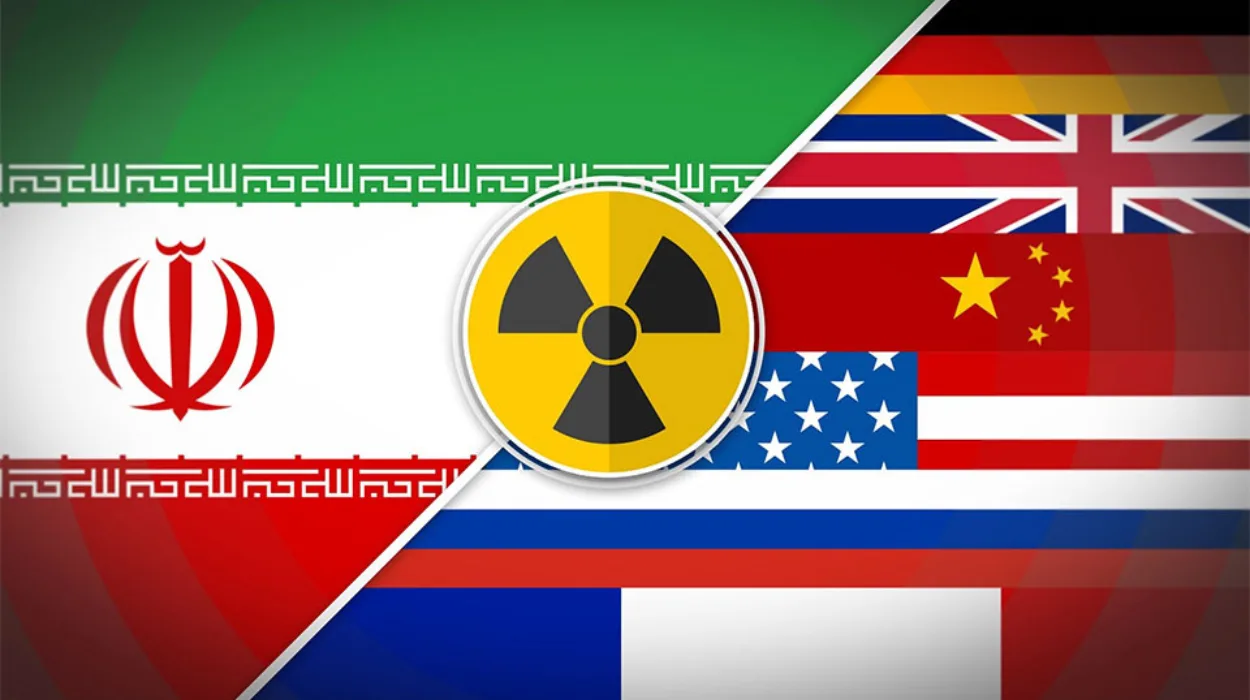
Take the following scenario: you wake up to the headline, “Iran inches closer to a nuclear weapon.” Doesn’t your heart sink? Your mind is racing with questions: Is there a deal to halt this? Are we secure? Furthermore, what exactly is the Iran Nuclear Deal?
Since 2015, this agreement, formally known as the Joint Comprehensive Plan of Action (JCPOA), has garnered significant attention. It’s an agreement between Iran and major nations like the US, UK, China, Russia, and others that aims to control Iran’s nuclear program. Iran receives reprieve from economic restrictions in exchange. However, it is complicated—rules are broken, promises are broken, and there is a lot of finger-pointing like most things in international politics.
Let’s explain it in simple terms. Because when the stakes are this high, who has time for jargon?
What Exactly is the Iran Nuclear Deal?
According to a rather simplistic way of thinking about it, the JCPOA is like a legal contract. It was the decision of world powers as they were worried that Iran might turn its nuclear program into weapons. In return for removing most of the sanctions, Iran was permitted to expand its economy.
The 2015 nuclear deal was an agreement between Iran and the P5+1 – the United States, the United Kingdom, China, Russia, France, and Germany.
Adopted by blank” rel=”noopener”>UN SC Resolution 2231. The goal? Sustain the status quo on Iran nuclear power.
The previous deal looked like it was a great diplomatic achievement.
Why Was the Deal Created?
Iran’s nuclear program was akin to an unmonitored scientific experiment in the early 2000s. The world went into a panic. What if a nation in a conflict area suddenly possessed nuclear weapons? Not ideal, indeed.
Strict limits were established by the JCPOA:
- Iran was only allowed to enrich uranium up to 3.67% (weapons-grade uranium is 90%).
- The blank” rel=”noopener”>International Atomic Energy Agency (IAEA) was allowed to monitor nuclear sites; it was required to reduce its uranium stockpile by 98%.
In exchange? Iran’s lifelines—its banking and oil—were freed from sanctions. Win-win, huh?
What Went Wrong?
Warning: Iran did not quite follow the guidelines.
Additionally, President Trump’s decision to withdraw from the agreement in 2018 did not assist the US.
This is what took place:
2019: Iran begins to enrich uranium at an unsustainable rate.
2023: 83.7% enriched uranium particles were discovered.
Iran’s stockpile is thirty times more than what the agreement permits.
Iran accuses the other parties of not providing the promised respite from sanctions. It’s similar to promising to be polite but receiving no compensation.
Is Iran Building a Bomb?
Let’s address the most pressing query: How near is Iran to producing a nuclear weapon?
Iran has a year to collect enough uranium for a bomb, or its “breakout time,” under the JCPOA.
Now, though? They have enough uranium for four nuclear weapons if it is further enriched, according to analysts, who believe it to be zero.
The difficult part?
Possessing uranium is one thing, but creating a functional warhead—which may take a year or two—is quite another.
Iran isn’t actively developing a weapon, according to
Comments
Last News
Far-right Leader Bardella Denounces Macron’s Pan-European Nuclear Initiative
“In terms of nuclear power, I support principles that exclude sharing, co-financing, and joint decision-making on the nuclear button,” Bardella stated.
The Elysée Palace has maintained that only the French president holds the authority to authorize a nuclear strike.
The Nati
2025 Universal Registration Document Publication
Release of the 2025 Universal Registration Document
VINCI submitted its 2025 Universal Registration Document to the Autorité des marchés financiers (AMF), the French financial markets authority.
This document can be accessed in French* on the Group’s website at www.vinci.com under Finance/Investors/Financial information/Annual reports and on the AMF’s website (www.amf-f
Italian Opposition Accuses Meloni of Election Manipulation via New Law
This deal emerges during a volatile period in Italy’s political scene, as the left aims to form a coalition and the right faces pressure f
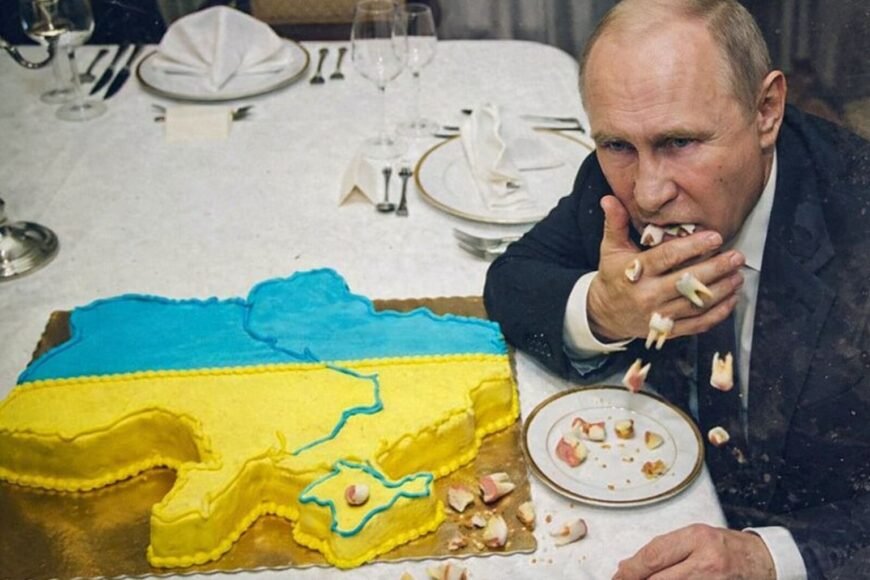
Ukraine: Putin’s Four-Year Struggle Commemorated in Brussels
Four Years of Res
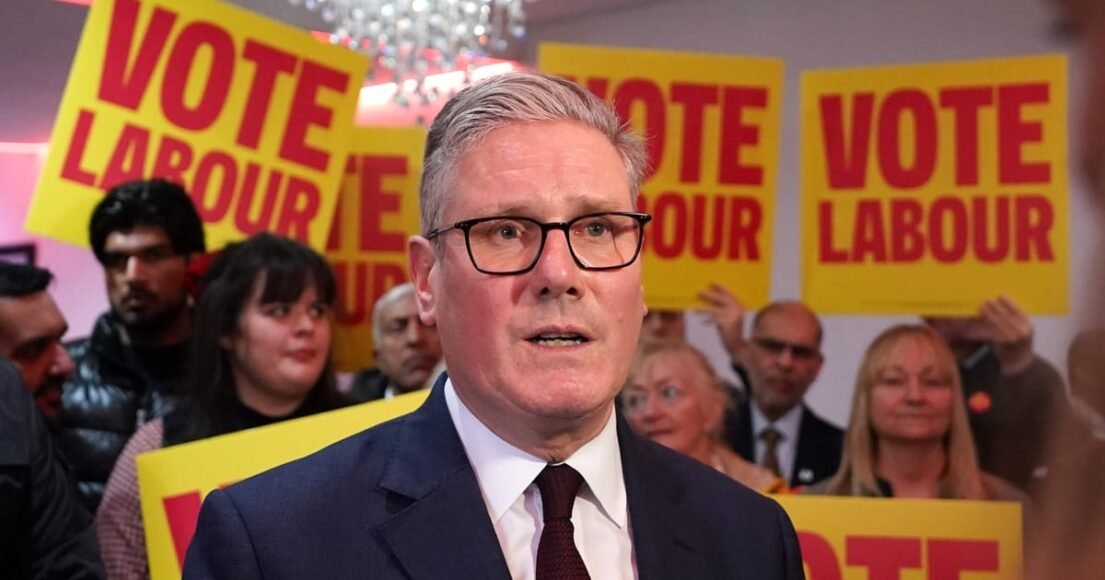
Starmer’s Leadership Is Failing: Nobody Knows How to Save It.
Six government ministers, MPs, and officials, speaking anonymously, told POLITICO they don’t foresee the prime minister being ousted after this result, which two individuals separately described as the “worst case scenario.”
Old Testament Themed Hymns Added to Home and Church Collection

From Fragmented to Connected: A Shared Hub for Europe’s AI
AIo
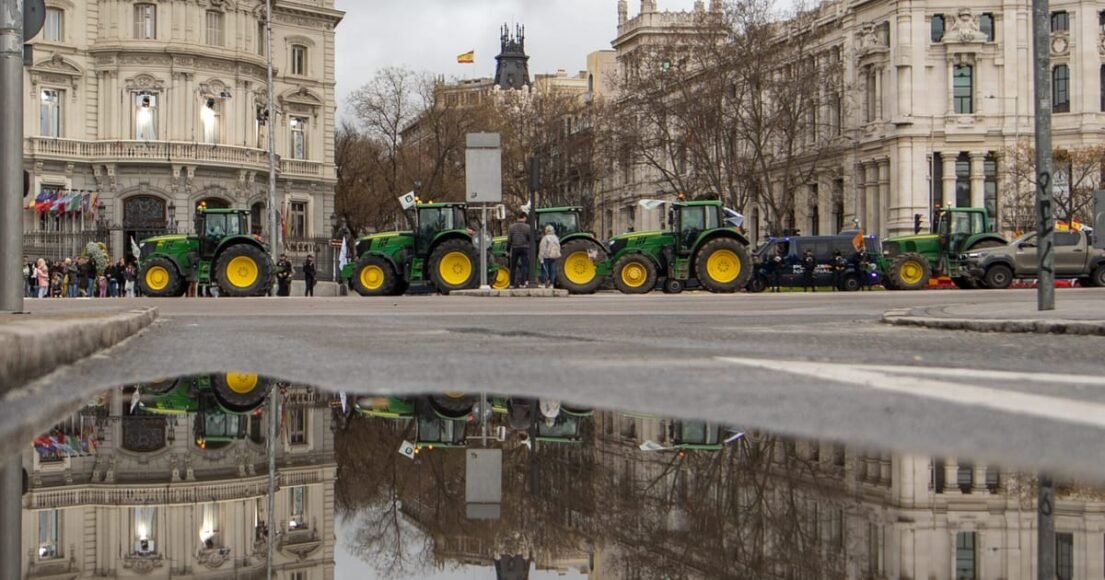
EU-Mercosur Trade Deal Enforced by Brussels
The agreement aims to create a free-trade area for 720 million people but is contentious since the European Parl
Harmony Bridges
A Concert Celebrating the UN World Interfaith Harmony Week (WIHW)
By Angelina Vladikova
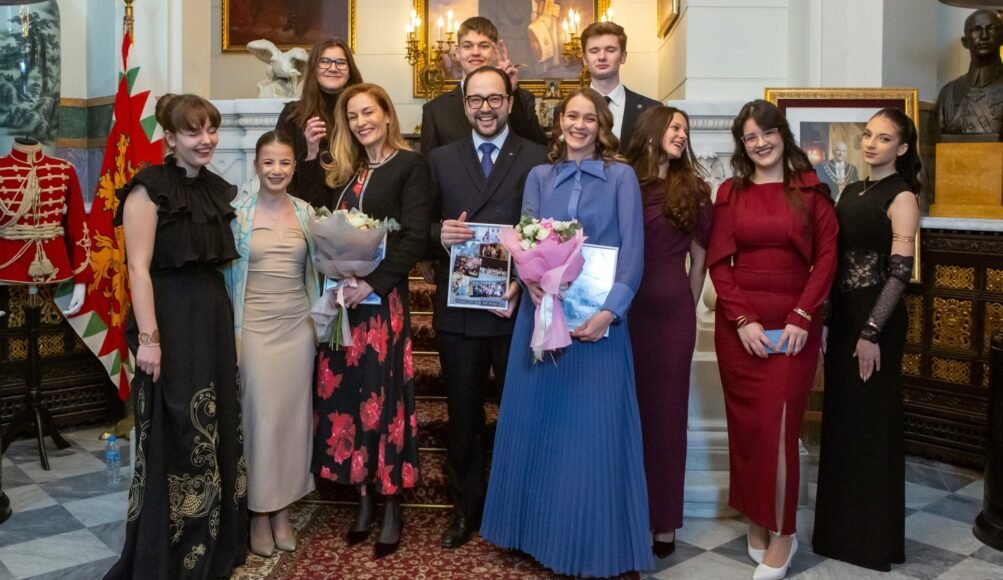
On February 21, 2026, the concert “Bridges of Harmony” was held at the Royal Palace “Vrana” in Sofia, Bulgaria. The Eastern European Forum for Dialogue Bridges association marked the United Nations World Interfaith Harmony Week (WIHW) with distinction. The Week aims to promote dialogue and highlight “the impe
Leave a Reply