


Speakers urged governments and employers to protect freedom of religion or belief in hiring, workplace rules and public procurement.
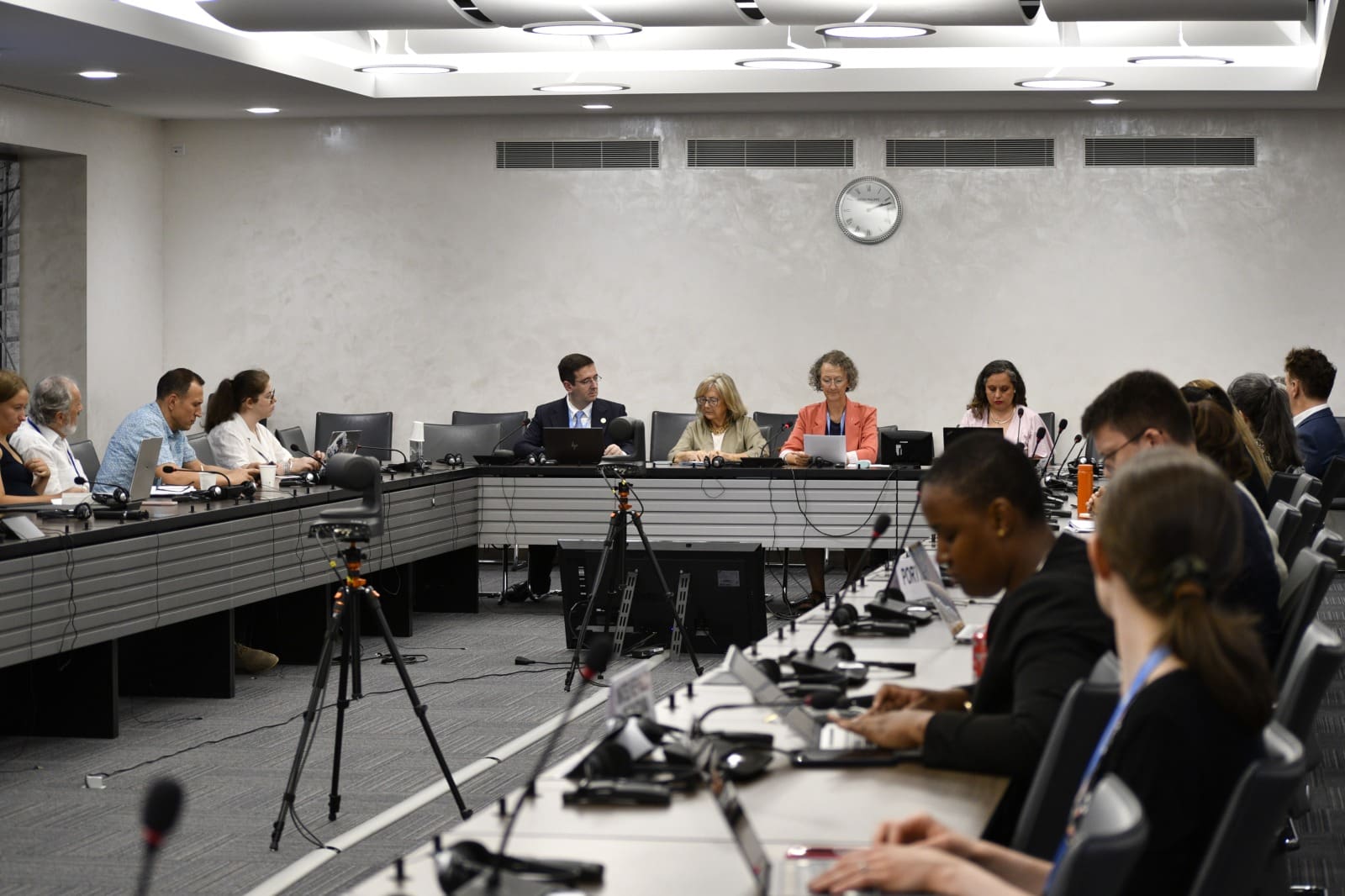
A side event at the United Nations in Geneva placed employment at the centre of the freedom of religion or belief debate. Speakers from the World Evangelical Alliance, the International Panel of Parliamentarians for Freedom of Religion or Belief, Fundación Mejora, the Church of Scientology and civil society examined how religious identity can affect access to work, dress codes, public-sector neutrality, reasonable accommodation and public procurement. The discussion moved from France, Belgium, Switzerland and Québec to Spain and Germany, where “faith-breaker clauses” targeting Scientology were presented as a warning about how state policies can travel from public contracts into the lives of individual workers.
A right that follows people into the workplace
At the Concordia 1 Room of the Palais des Nations in Geneva on 1 July 2026, a side event organised by Fundación para la Mejora de la Vida, la Cultura y la Sociedad — Fundación Mejora — examined a question that is often treated as secondary in religious freedom debates: what happens when belief meets employment?
The event, held under the title Freedom of Religion in the Context of Employment, brought together legal experts, freedom of religion or belief advocates and civil society representatives. According to the organisers, around 40 people attended, including members of the NGO Committee on Freedom of Religion or Belief and representatives from diplomatic missions.
Opening the meeting, Iván Arjona-Pelado, President of Fundación Mejora (as well as from the Church of Scientology in Europe, and the UN Geneva NGO Committee on FoRB), framed the issue as one that concerns individuals before institutions. Freedom of religion or belief, he said, “intersects with other rights” and “specifically, with employment”. He added that the UN has repeatedly made clear that the right belongs not primarily to religious institutions but to citizens.
“When discrimination happens during employment, it is actually the citizens based on their religion or on other factors that are the ones discriminated,” Arjona-Pelado told participants. “And this comes from policies, from culture, from habits, and from history.”
That opening set the tone for a discussion that moved beyond abstract principles. The speakers focused on the ordinary spaces where discrimination can become real: a job interview, a uniform rule, a public-sector neutrality policy, a staff schedule, a tender document or a grant application.
Janet Epp Buckingham: laïcité and the narrowing of public space
Prof. Dr. Janet Epp Buckingham, who represents the World Evangelical Alliance at the UN Geneva, began by challenging the assumption that workplace discrimination is less urgent than imprisonment or physical violence. “Sometimes we think that perhaps issues of employment and freedom of religion or belief are not as important as people who are being imprisoned and people who are facing violence,” she said. “But the reality is that this is a very important topic, because most of us spend a great deal of time at work.”
For Buckingham, the workplace is not a neutral abstraction. It is where many people spend most of their waking life, build social networks and sustain their families. “It is important that we be able to do our work without facing discrimination or hostility because of our faith,” she said.
She referred to the idea, promoted by religious freedom advocates in business, that employees should be able to “bring your whole self to work”. That, she argued, requires more than private tolerance. It requires employers to accommodate religious practices and to support employees who have and express faith in appropriate ways at work.
Yet Buckingham’s central focus was not private-sector inclusion but government restrictions, especially those rooted in laïcité. She described the French concept as a form of “closed secularism” in which the state seeks to privatise religion. “You may practice your faith in your home and in a place of worship,” she explained, “but outside that, there may be restrictions.”
Comments
11 responses to “UN Geneva Event Highlights Faith Bias in the Workplace”
-
Seems like we’ve got a real “serious issue” on our hands here, eh? Who knew that faith could be such a tricky business in the workplace—next, they’ll be telling us to leave our coffee preferences at home too! ☕️😏
-
Seems like the UN has found a new favourite pastime: discussing how to keep faith out of the workplace. Who knew employment could be so spiritual? 😅
-
Of course, nothing screams “we value diversity” like a UN event discussing how to keep faith out of the workplace—because who doesn’t want their hiring practices dictated by a committee of well-meaning bureaucrats? 😂
-
Seems like nothing screams “freedom” quite like a UN event dissecting faith bias in the workplace. Who knew the job market was so much like a religious soap opera? 🤷♂️
-
Seems like another day at the UN, where the real drama isn’t on the world stage but in the break room over coffee and conflicting faiths. 😏 Who knew employment could stir such a theological tempest?
-
Absolutely riveting! Who knew discussing faith at work could rival a Sunday roast for drama? 🍽️ Hope they served a side of common sense with that agenda! 😏
-
Came all the way to Geneva to talk about faith at work, eh? Quite the luxury, considering most of us are just trying to survive Monday without being discriminated against for our choice of coffee! ☕️💼
-
Isn’t it just delightful that in the hustle and bustle of Geneva, we’re now debating if faith should come with a dress code? 🤷♂️ Maybe next, they’ll suggest we all show up in matching uniforms for our morning prayers! #Progress #JustWhatWeNeeded
-
Isn’t it adorable how a bunch of well-heeled delegates gathered in Geneva to discuss faith at work, while the rest of us just try to keep our jobs without having a crisis of conscience at the coffee machine? 😂
-
Isn’t it charming how we gather in a fancy UN hall to discuss the “urgent” problem of faith bias at work while the world crumbles around us? 🤷♂️ Talk about prioritizing the real issues, eh?
-
Isn’t it just adorable how we’re now worried about faith in the workplace while the rest of us are just trying to keep our sanity on the morning commute? 😏 Good luck getting HR to understand that “bring your whole self to work” doesn’t include your Sunday best, mate!

Last News
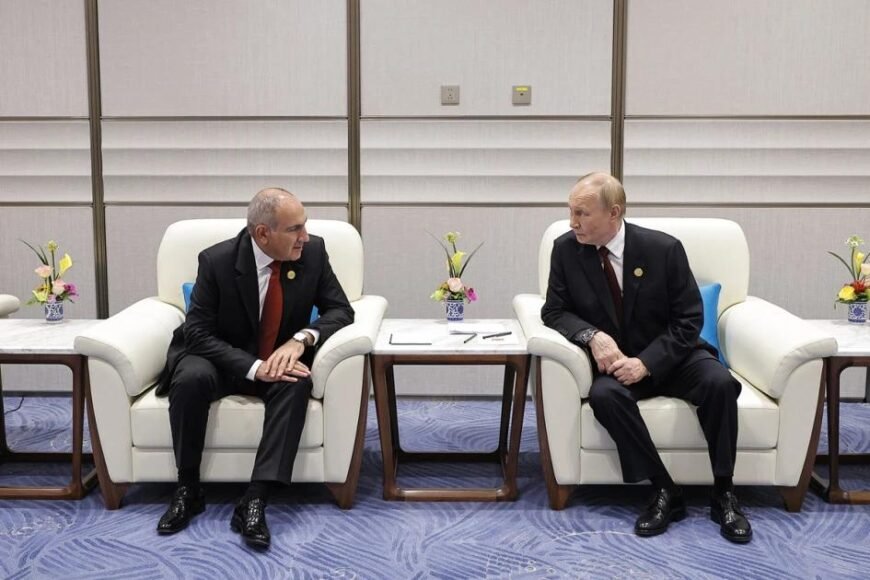
Pashinyan and Putin Discuss Lifting Russian Restrictions on Armenian Exports
Yekaterinburg, Russia, July 27 Eurotoday Newspaper — Pashinyan Putin meeting discussions centered on Armenia’s request for Russia to remove restrictions affecting Armenian exports. Prime Minister Nikol Pashinyan urged President Vladimir Putin to help resolve trade barriers that have disrupted shipments of agricultural goods and other products to Russia, Armenia’s largest export market.
Trade Tal

Kadyrov Addresses Chechnya Food Shortage Rumors
Claims of food and essential goods shortages in the Chechen Republic are untrue, and efforts to create panic are bound to fail, stated Chechen leader Ramzan Kadyrov.
Kadyrov mentioned that online rumors are spreading from those looking to cause disruption about upcoming shortages of essential items and food in the Chechen Republic.
“This inf

Can Europe Combat Fires of This Magnitude?
Meanwhile,
Transportation Safety Board Calls on Congress to Enact Aviation Safety Legislation
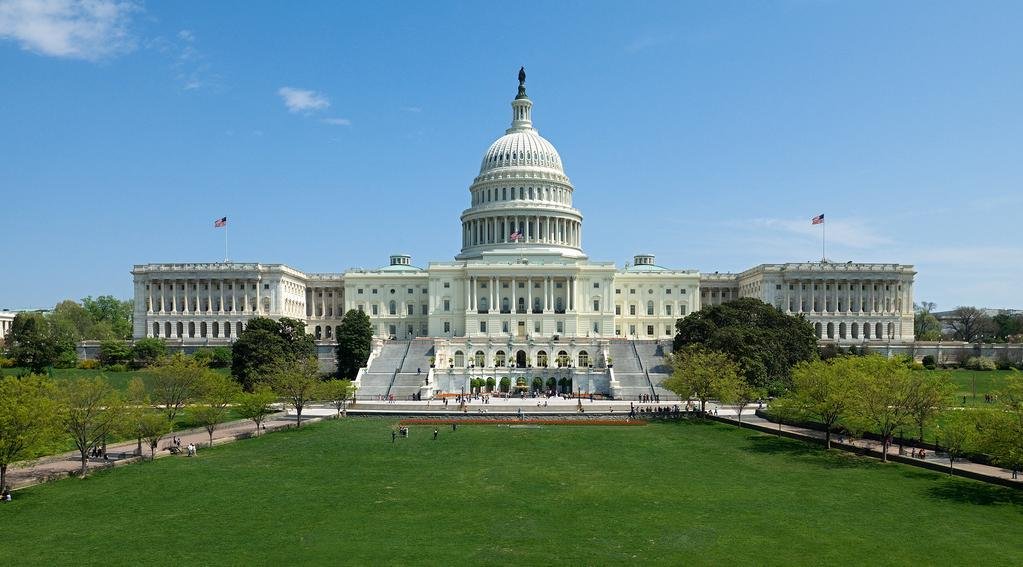
Washington, D.C., July 27 Eurotoday Newspaper — Transportation safety board officials have called on Congress to approve aviation safety legislation designed to strengthen federal oversight and improve implementation of safety recommendations. The appeal comes as lawmakers continue reviewing aviation policy and funding priorities while the aviation industry adapts to growing passenger demand and
Polanski’s Greens Prepare for the ‘Burnham Bounce’
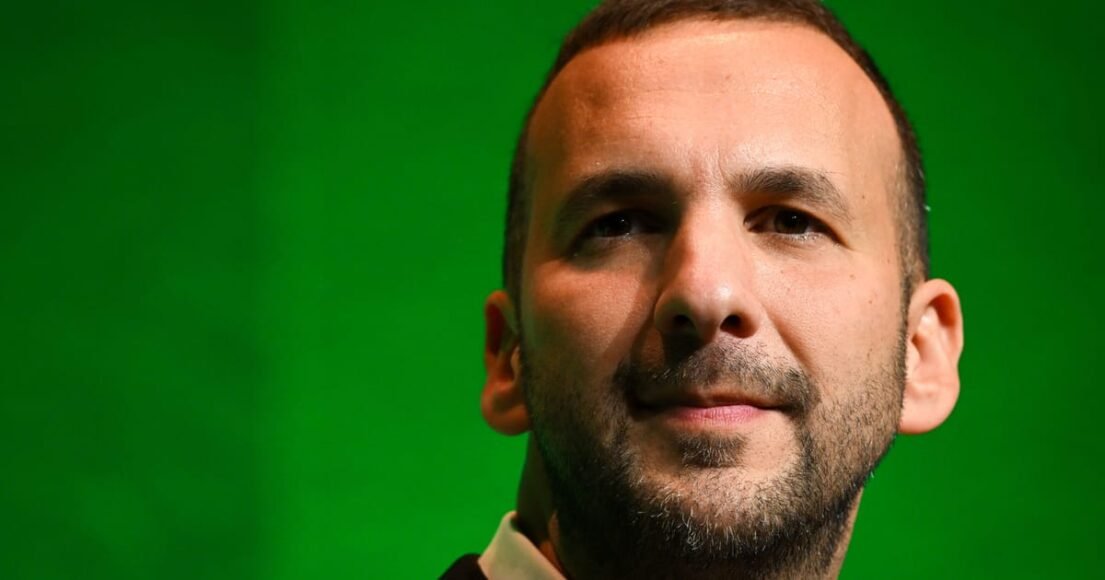
Kerry McCarthy, the Labour MP for Bristol East, a Green target for the next election, stated that Home Secretary Shabana Mahmood’s immigration reforms — including changes to indefinite leave to r
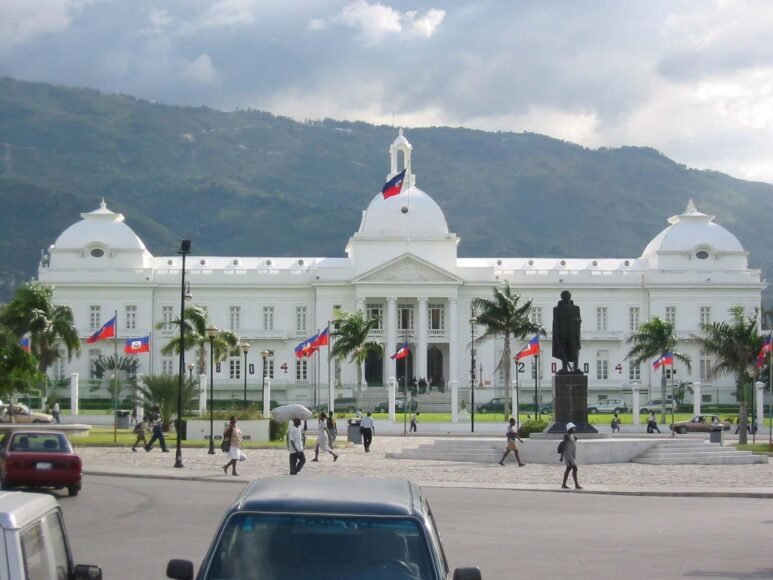
Haiti Electoral Council Announces December Date for Postponed Presidential Election
Port-au-Prince, Haiti, July 27 Eurotoday Newspaper — Haiti electoral council has officially scheduled the country’s long-delayed presidential election for December, marking a significant milestone in efforts to restore democratic leadership after years of political instability. The announcement provides the first clear electoral timetable since Haiti entered a prolonged political transition foll
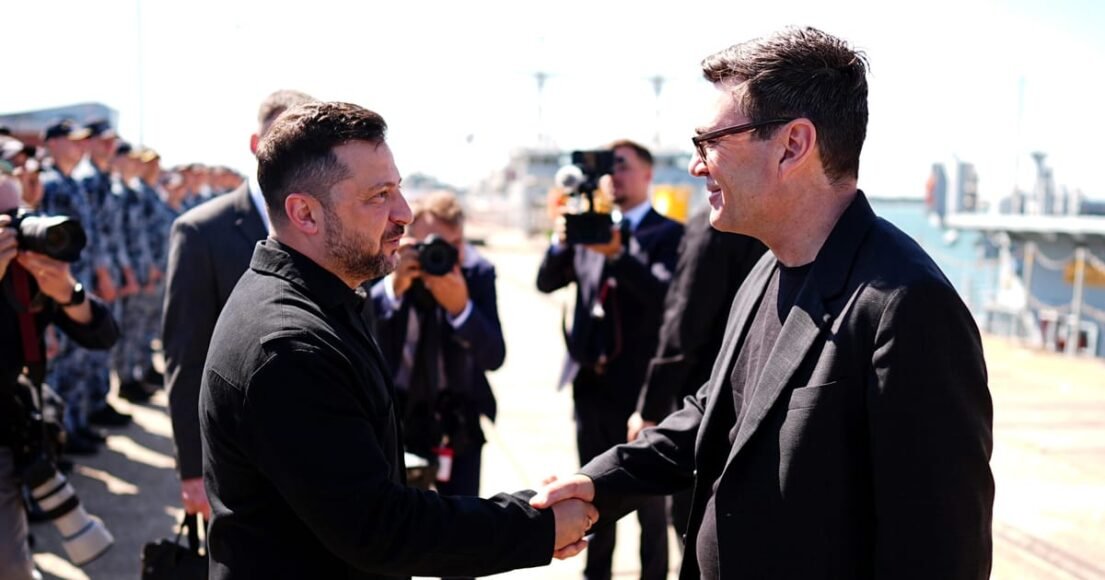
Burnham Embraces Zelenskyy in Debut on Global Stage
The meeting coincided with Britain’s announcement to share intellectual property to assist Kyiv’s war effort.
The new prime minister revealed that the U.K. will provide its “Stone Cloak” electronic warfare system — devices mounted on drones to aid in eva
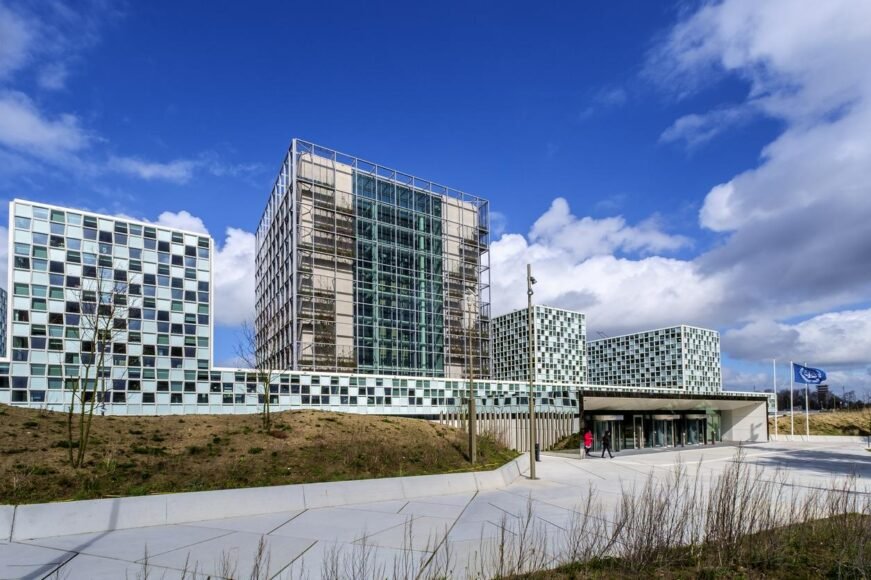
UN Human Rights Council: Venezuela’s ICC Withdrawal Hinders Accountability
Geneva, July 27 Eurotoday Newspaper — UN human rights council investigators have warned that Venezuela’s decision to withdraw from theInternational Criminal Court (ICC) could weaken international efforts to ensure accountability for alleged human rights violations. The UN-backed Independent International Fact-Finding Mission said the move may reduce access to international justice for victims wh
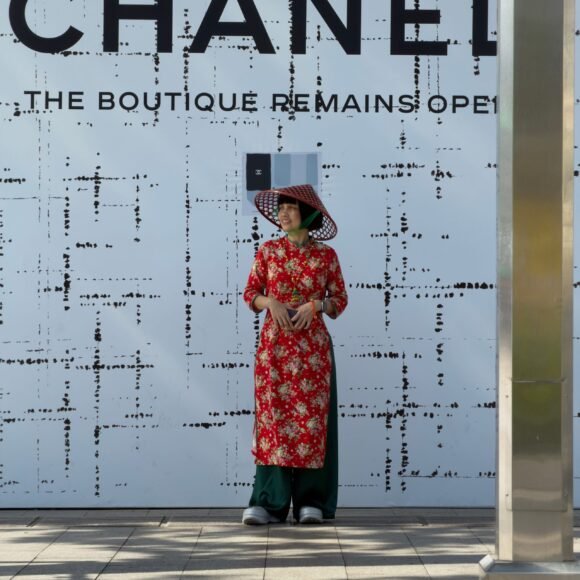
Italian Police Raid Offices of Bulgari and Chanel
Last week, Italian police raided the offices of several luxury brands, such as Bulgari and Chanel, due to suspicions of using subcontractors to employ Chinese workers under exploitative conditions, according to a prosecutor.
Raided companies also include Brunello Cucinelli, Etro, Goyard Italia, Jacob Cohen Company, Moncler, and Stefano Ricci, as confirmed by Milan prosecutor Paolo Storari to AFP

Leave a Reply