


Kyiv’s strategy has been effective: In recent weeks, there have been days when no ships have docked at Ust-Luga and Primorsk, with the ports’ capacities drastically reduced. On April 10, only two ships docked at Primorsk, with no further arrivals until April 27. Ust-Luga received more ships, but numbers are still significantly lower than normal.
Despite this success, the attacks on Russian ports have caused a maritime backlog in the Gulf of Finland, with shiptrackers showing clusters of mostly tankers anchored in the area.
Ships waiting for Russian oil must stay put. Regular vessels can be rerouted, but shadow vessels, operating outside official systems, avoid other ports to prevent detainment. They must wait for repairs at Ust-Luga and Primorsk.
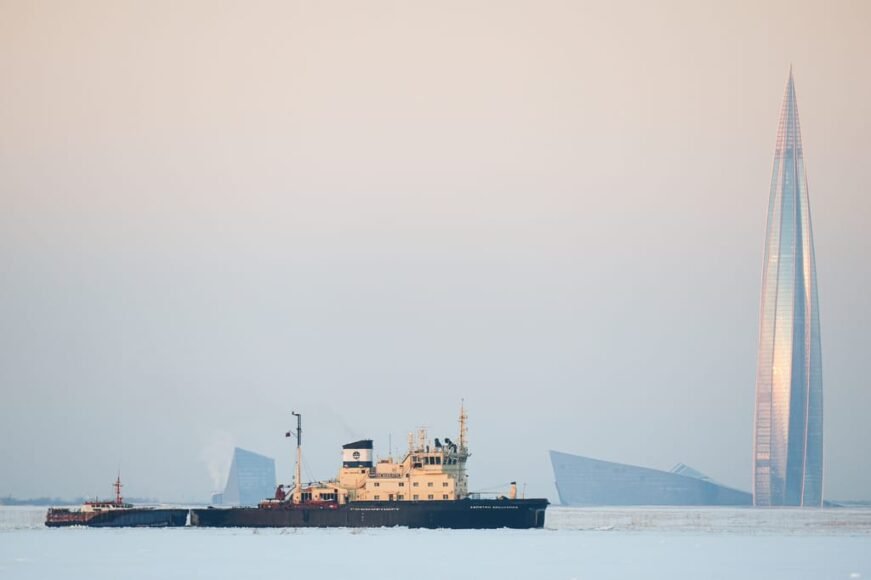
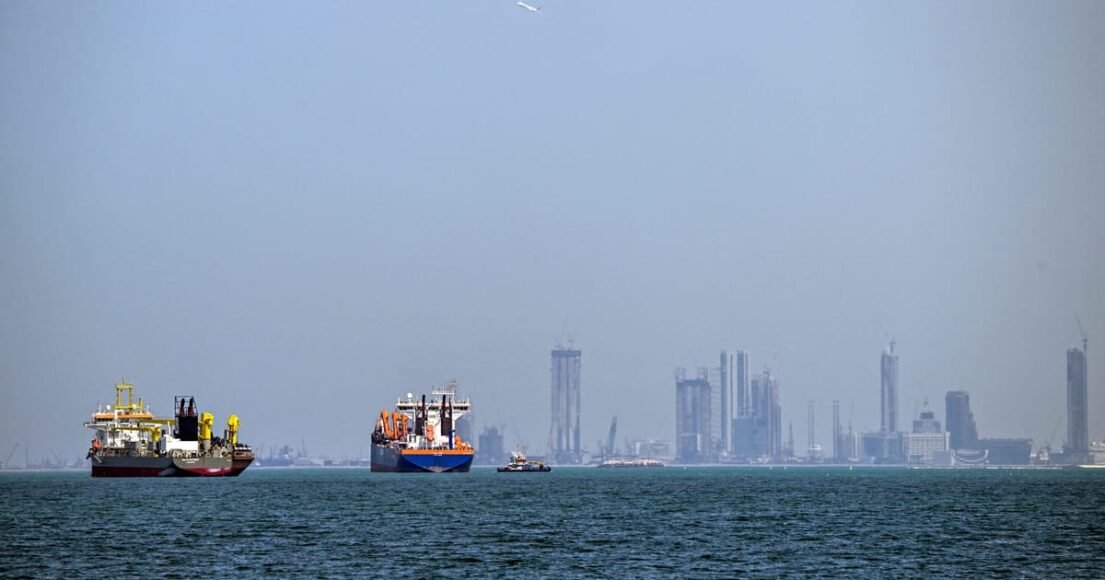
The result is a backup of ships in the Gulf of Finland, roughly 40 in Estonia’s EEZ and others in Finland’s. It’s a striking scene: rule-breaking, often sanctioned ships anchored on Europe’s Baltic coast while repairs are underway.
“From a security standpoint, it’s safer to keep ships in the anchorage than to let them drift,” said Regina Palandi-Paju, Estonia’s deputy director for National Security and Defense Coordination. “Environmental pollution is a concern, and we closely monitor the situation.”
“There is no significant environmental impact for us so far,” the deputy director added. However, if a spill occurs, Estonia and Finland will be responsible for cleanup.









Leave a Reply