


Brussels, the capital city of Belgium, plays an indispensable role in the political functioning of the European Union (EU). Often referred to as the de facto capital of the EU, Brussels hosts the official seats of core EU institutions, including the European Commission, the Council of the European Union, and the European Council, and serves as one of the official seats of the European Parliament. This unique concentration of institutions within Brussels allows it to be the beating heart of EU politics, shaping policies that affect over 450 million citizens across member states. This article offers a comprehensive exploration of Brussels’ political role within the EU, tracing its historical development, institutional significance, economic impact, and ongoing future prospects.
Historical Context and Brussels’ Selection as EU Hub
The origins of Brussels as a European political center date back to the early post-war integration efforts with the 1951 Treaty of Paris, which created the European Coal and Steel Community (ECSC), the precursor to the EU. Though other cities like Luxembourg and Strasbourg held temporary or partial roles, Brussels eventually emerged as the prime location for major EU institutions due to a combination of strategic geopolitical and practical considerations. It lies geographically at the midpoint between powerful EU founding countries — France, Germany, and the United Kingdom — making it a neutral and accessible site symbolizing reconciliation and cooperation after centuries of conflict.
Despite early indecisions and fragmented institutional operations across cities, Brussels increasingly attracted the EU executive bodies and Council throughout the 1960s and beyond. Key political agreements, including the 1965 Merger Treaty and the Edinburgh European Council compromise of 1992, shaped Brussels’ status as the main seat for the Commission and Council, with the Parliament gradually shifting most of its meetings and decision-making processes to Brussels while retaining a smaller presence in Strasbourg and Luxembourg. This multipartite arrangement underscores both historical compromises and political sensitivities within the Union.
Brussels as Host of Core EU Institutions

Brussels hosts an unparalleled concentration of EU institutional power. The European Commission, the Union’s executive branch responsible for proposing legislation and implementing policies, is headquartered in the iconic Berlaymont building, along with numerous other Commission departments dispersed throughout the city. The Council of the European Union and the European Council, where member states’ ministers and heads of state meet to deliberate and decide on major policies, operate primarily from the Europa and Justus Lipsius buildings along Brussels’ “Rue de la Loi.”
Perhaps most central to parliamentary democracy is the European Parliament’s European Quarter, where around three-quarters of its activity — including plenary sessions, committee meetings, and political group gatherings — take place each year. The parliamentary complex, known as Espace Léopold, includes the Paul-Henri Spaak and Altiero Spinelli buildings, situated between Leopold Park and Place du Luxembourg. This proximity facilitates interaction between legislative and executive branches and underlines Brussels’ role as a hub of EU governance.
In addition to these principal institutions, Brussels hosts several EU agencies and bodies, including the European External Action Service (EEAS), which steers foreign policy, the European Defence Agency, and numerous advisory and economic bodies. The sheer density of diplomats, officials, lobbyists, and journalists further cements Brussels’ reputation as the global political center of Europe.
Economic and Social Impact of the EU Presence on Brussels
Comments
10 responses to “The Role of Brussels in EU Politics”
-
Isn’t it charming how Brussels has managed to turn bureaucracy into a full-time job for thousands? I suppose someone has to keep the coffee flowing while they debate the merits of a new banana curvature regulation! 🍌💼
-
If you ever wanted to witness a lovely spectacle of bureaucratic ballet, just take a stroll through Brussels—where decisions take longer to make than a Belgian waffle to cook! 😏
-
Brussels, eh? The only city where you can enjoy a fine waffle while listening to politicians debate how to save the world — if only they could figure out how to save themselves from all those meetings! 😏
-
So, Brussels is the “beating heart” of EU politics, eh? I suppose that makes it the perfect place for all those bureaucrats to practice their world-class skill of moving paper around faster than a speeding train—truly inspiring! 😏
-
Brussels, the playground of the EU elite, where decisions that impact millions are made while sipping lattes—because nothing says ‘serious politics’ like a bit of froth, right? 🤷♂️
-
Brussels, with all those fancy suits and endless meetings, really knows how to make a bureaucrat feel at home—it’s like a never-ending cocktail party where no one actually drinks! 🍻 Who needs real decisions when you can just keep reshuffling the deck chairs on this EU Titanic?
-
Blimey, who knew the EU needed a city to argue in – I thought they just did that over a pint or two in a pub! 🍻 But hey, at least Brussels gets to play host to all those bureaucrats while we enjoy the fries, right? 😂
-
Brussels, where all the important decisions are made over a cuppa and a waffle, must be the only place where bureaucracy takes longer than a Belgian winter! 😂 Who knew politics could be this… deliciously complicated?
-
Isn’t it just charming how Brussels managed to turn itself into the bureaucratic epicenter of Europe—where decisions are made faster than you can say “Waffle House” and yet somehow, nothing ever changes? 😂
-
Seems like Brussels is the cozy little coffee shop where all the EU bigwigs gather to sip lattes and decide the fate of the continent, while the rest of us just hope for a decent train connection 😏☕.

Last News
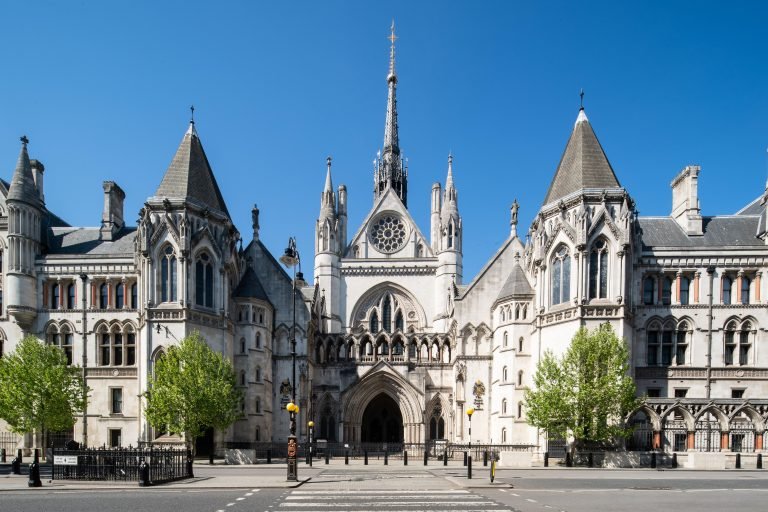
Veaceslav Platon Extradition Case Reaches UK Court Amid Political Allegations
London, July 28 Eurotoday Newspaper — Veaceslav Platon extradition proceedings continued in the United Kingdom as Moldovan businessman Veaceslav Platon challenged Moldova’s request to return him for prosecution. His legal team argues the case is politically motivated, while Moldovan authorities maintain the extradition request is based on ongoing criminal investigations. The case is now before a

Le "syndrome Lekjaa" : comment l’État marocain confisque-t-il la démocratie ?
Tribune — Isaac Hammouch
À l’approche des élections législatives de 2026, la rumeur court que Fouzi Lekjaa pourrait être pré-désigné comme Premier ministre. Ce phénomène illustre un système de pouvoir qui se révèle peu à peu. En privilégiant des technocrates soutenus par le sommet de l’État, le Makhzen ne se contente pas de négliger le suffrage universel ; il ignore aussi les aspirations d
Charleroi Airport to Suspend Flights for Over Two Months in 2028
The closure is raising concerns among trade unions, which worry that passenger traffic might not reach pre-closure levels once the airport resumes operations.
“We have been urging the airport management for at least two years to engage in discussions on this issue,” stated Alain Goelens, a representative of the trade union S
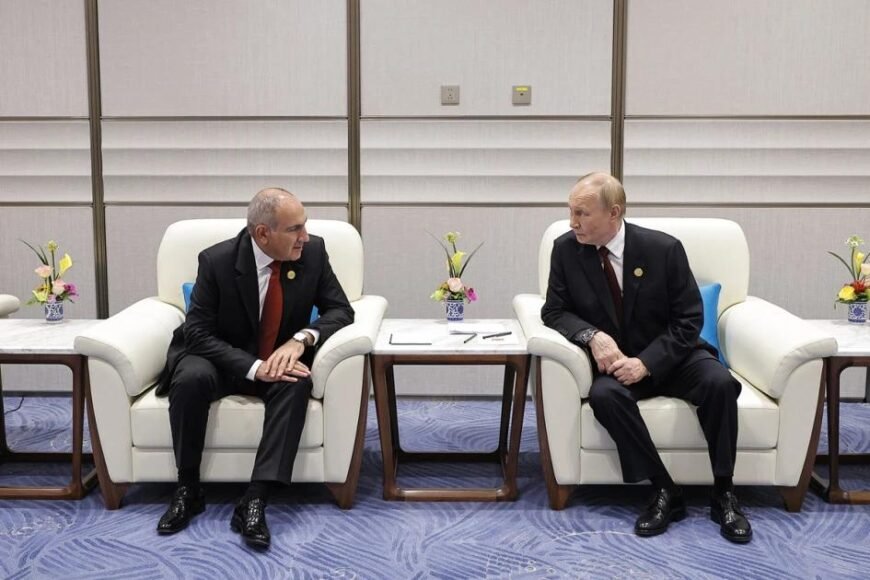
Pashinyan and Putin Discuss Lifting Russian Restrictions on Armenian Exports
Yekaterinburg, Russia, July 27 Eurotoday Newspaper — Pashinyan Putin meeting discussions centered on Armenia’s request for Russia to remove restrictions affecting Armenian exports. Prime Minister Nikol Pashinyan urged President Vladimir Putin to help resolve trade barriers that have disrupted shipments of agricultural goods and other products to Russia, Armenia’s largest export market.
Trade Tal

Kadyrov Addresses Chechnya Food Shortage Rumors
Claims of food and essential goods shortages in the Chechen Republic are untrue, and efforts to create panic are bound to fail, stated Chechen leader Ramzan Kadyrov.
Kadyrov mentioned that online rumors are spreading from those looking to cause disruption about upcoming shortages of essential items and food in the Chechen Republic.
“This inf
Can Europe Combat Fires of This Magnitude?
Meanwhile,
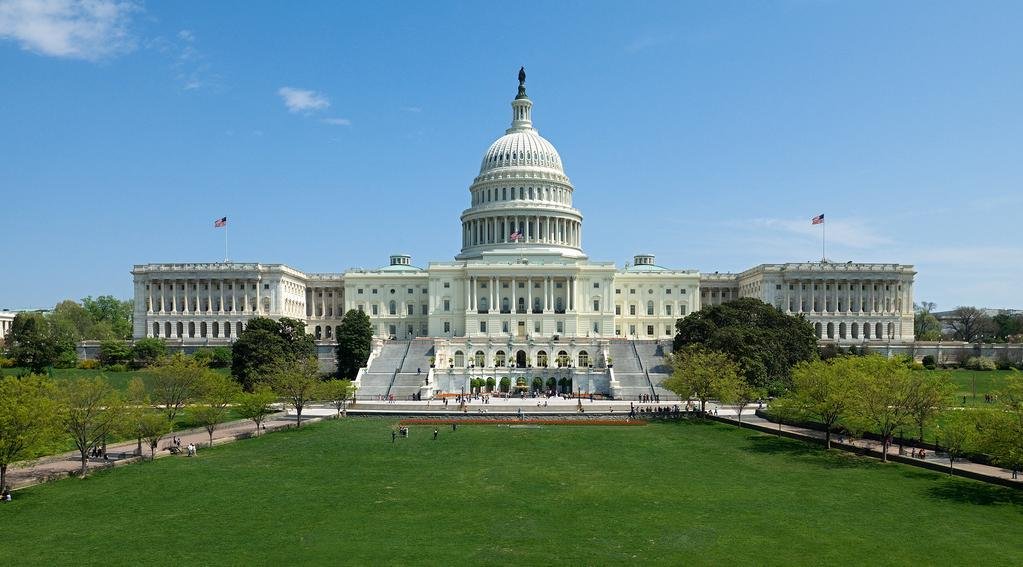
Transportation Safety Board Calls on Congress to Enact Aviation Safety Legislation
Washington, D.C., July 27 Eurotoday Newspaper — Transportation safety board officials have called on Congress to approve aviation safety legislation designed to strengthen federal oversight and improve implementation of safety recommendations. The appeal comes as lawmakers continue reviewing aviation policy and funding priorities while the aviation industry adapts to growing passenger demand and
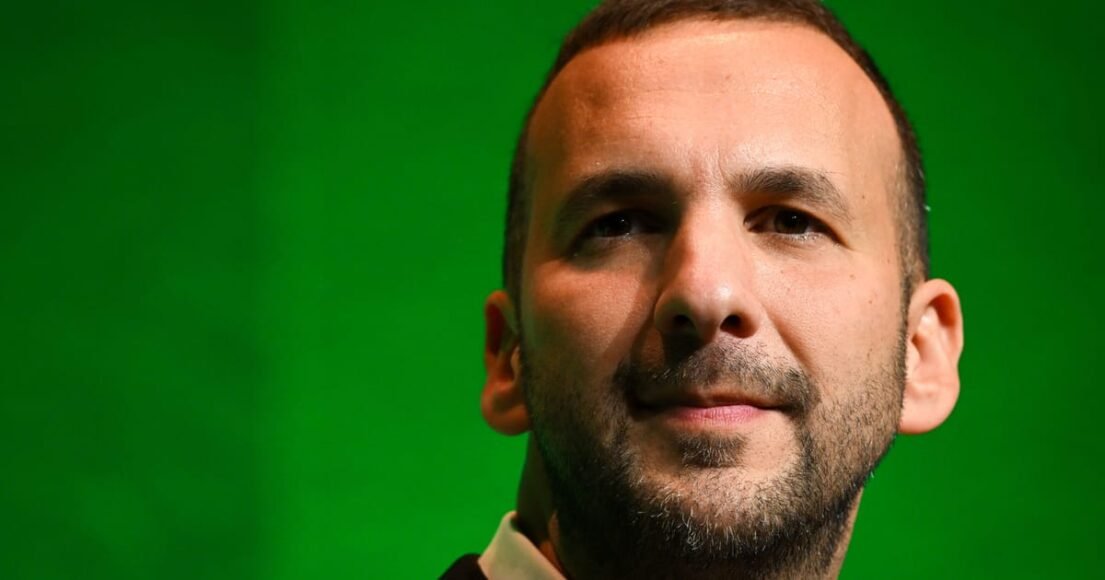
Polanski’s Greens Prepare for the ‘Burnham Bounce’
Kerry McCarthy, the Labour MP for Bristol East, a Green target for the next election, stated that Home Secretary Shabana Mahmood’s immigration reforms — including changes to indefinite leave to r
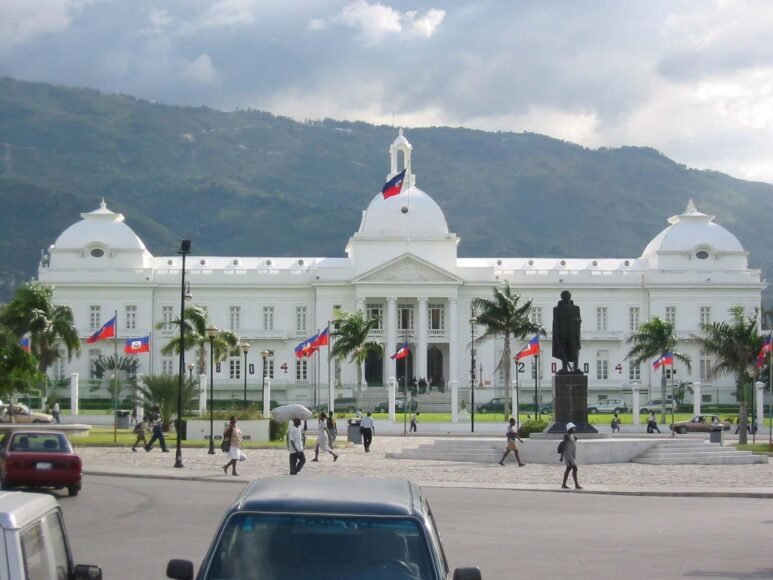
Haiti Electoral Council Announces December Date for Postponed Presidential Election
Port-au-Prince, Haiti, July 27 Eurotoday Newspaper — Haiti electoral council has officially scheduled the country’s long-delayed presidential election for December, marking a significant milestone in efforts to restore democratic leadership after years of political instability. The announcement provides the first clear electoral timetable since Haiti entered a prolonged political transition foll
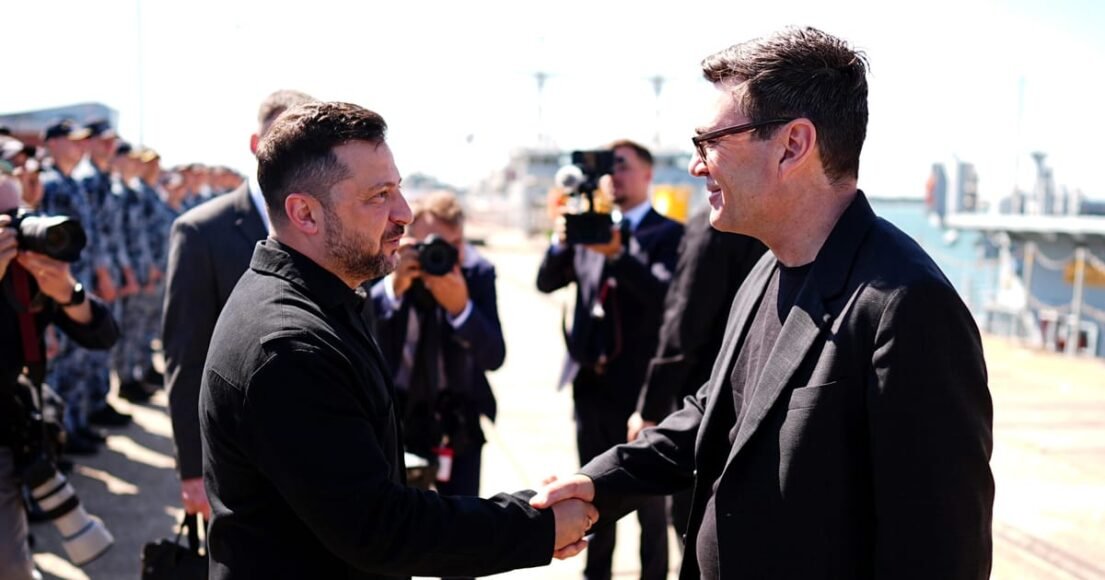
Burnham Embraces Zelenskyy in Debut on Global Stage
The meeting coincided with Britain’s announcement to share intellectual property to assist Kyiv’s war effort.
The new prime minister revealed that the U.K. will provide its “Stone Cloak” electronic warfare system — devices mounted on drones to aid in eva
Leave a Reply