



Restoring the Rhine River: Collaborative Steps for a Cleaner Environment
The Rhine River, one of Europe’s most significant waterways, is under threat due to pollution, impacting aquatic ecosystems and human health. Your involvement in cleanup efforts is crucial in preserving this vital river. This article outlines collective actions you can take to restore the Rhine and promote sustainability for future generations. Learn how your commitment can contribute to a healthier environment, not only for this river but for waterways worldwide.
—
The Significance of the Rhine River
The Rhine River plays a crucial role in the lives of millions, serving as a source of freshwater, supporting diverse ecosystems, and fueling economic activities. This river has also been instrumental in shaping cultural and historical identities across the countries it flows through.
Historical Importance
Throughout history, the Rhine has been a key trade route, connecting various European regions and facilitating the exchange of goods and ideas. From being a strategic boundary for the Roman Empire to playing a role in the Industrial Revolution, the river has witnessed immense transformation. Understanding this history highlights the need to protect and preserve its enduring legacy.
Ecological Value
Beneath its waters, the Rhine sustains a wide array of plant and animal species, contributing to biodiversity in the region. Healthy river ecosystems help filter pollutants, regulate water quality, and support both wildlife and human communities. Unfortunately, pollution and habitat destruction have threatened this balance. However, continued restoration efforts offer hope. By participating in conservation activities and adopting eco-friendly practices, you can help rehabilitate the Rhine’s delicate ecosystems.
—
Challenges Facing the Rhine River
Once renowned for its natural beauty and abundance of life, the Rhine now faces significant environmental challenges. Urbanization, industrial activities, and agricultural waste have all contributed to its deteriorating condition. While efforts to restore the river’s health continue, sustained cooperation is needed to achieve lasting change.
Pollution Concerns
Pollution remains a primary threat to the Rhine, with industrial waste, agricultural runoff, and plastic debris affecting water quality. Increased levels of toxic chemicals jeopardize the health of aquatic species and pose risks to local communities.
Impact on Biodiversity
The declining biodiversity of the Rhine is alarming. Many fish and invertebrate species have suffered population losses due to habitat destruction and pollution. Additionally, harmful substances in the water can accumulate in the food chain, affecting other wildlife and even human populations. The presence of invasive species further disturbs the ecological balance. Supporting cleanup initiatives can help mitigate these dangers and restore the Rhine’s biodiversity.
—
Collective Efforts to Restore the Rhine
Efforts to clean up the Rhine River involve partnerships between governments, organizations, and local communities. By working together, these groups can implement effective solutions to combat pollution and restore the river’s health.
Government Actions
Governments play a key role in the Rhine’s cleanup by enforcing regulations, investing in water treatment facilities, and supporting eco-friendly initiatives. Funding for local projects and stricter pollution control policies are essential in preserving the river’s future.
Community Engagement
Local communities are vital to the success of cleanup efforts. Grassroots organizations and volunteers frequently organize cleanup campaigns, raising awareness about pollution and encouraging collective responsibility. Your participation in these initiatives can make a real difference. Even small actions, such as reducing plastic waste or spreading awareness, contribute to the overall goal of restoring the Rhine.
—
The Role of Technology in River Cleanup
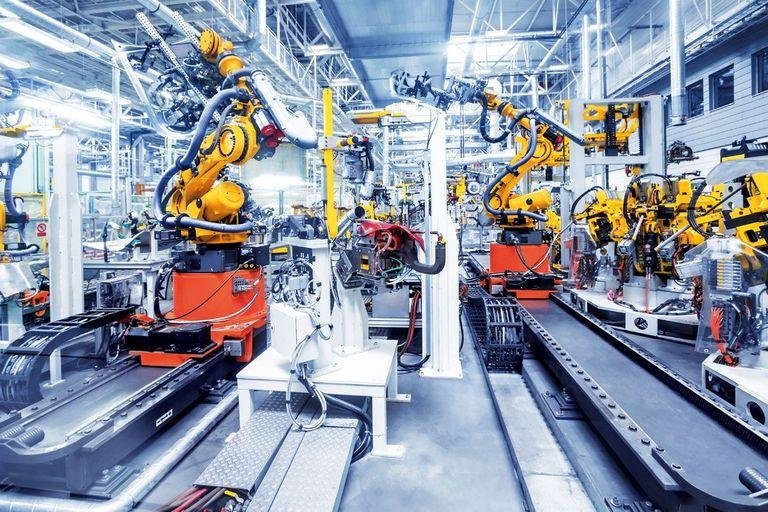
Technological advancements have introduced innovative solutions to enhance cleanup efforts. Robotics, drones, and artificial intelligence now assist in monitoring pollution levels and removing waste from the river. These tools help ensure a more efficient approach to environmental restoration.
Waste Management Innovations
Modern waste management systems, including automated sorting and eco-friendly disposal methods, have improved the effectiveness of debris collection. These advancements help minimize landfill waste while promoting recycling efforts.
Monitoring Water Quality
Advanced sensors and real-time data analytics are used to track pollution levels in the Rhine. This technology allows for quicker responses to contamination, ensuring that the river remains safe for wildlife and human activities such as swimming and fishing.
—
Case Studies: Successful Cleanup Initiatives
Several notable cleanup campaigns have already made a significant impact:
– Netherlands: In 2021, over 300 tons of plastic were removed from waterways.
– Germany: The “Rhine Clean-Up” initiative collected 1,500 kg of waste in a single day.
– Switzerland: Local efforts in 2020 cleared 800 kg of debris from riverbanks.
– France: A community-led project eliminated 1,200 kg of waste in one weekend.
Lessons from Cleanup Projects
Successful cleanup efforts emphasize the importance of community involvement, education, and consistent follow-up initiatives. Engaging local populations and providing environmental awareness programs have proven to be key factors in reducing pollution levels and maintaining the river’s health long after initial cleanup efforts.
—







Leave a Reply