


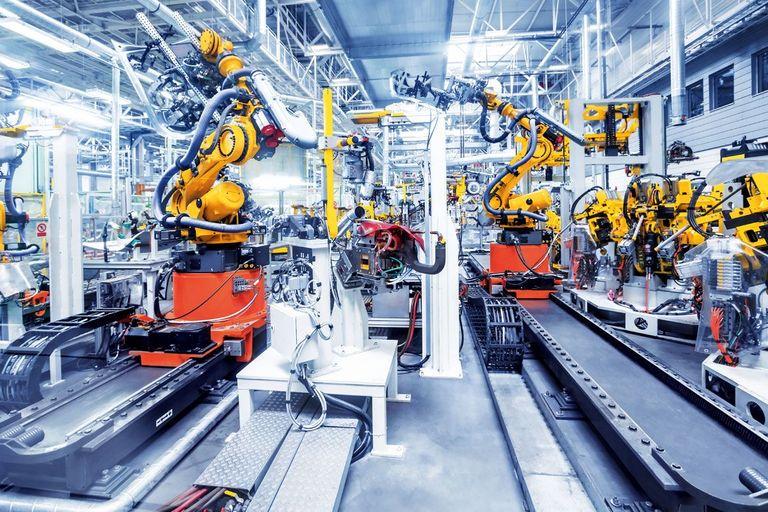
Over roughly four decades, China has carried out one of the largest economic transformations on record. Since 1978 it has grown at close to 9 percent a year, lifted hundreds of millions of people out of poverty and become the world’s second largest economy. It now accounts for almost a fifth of global output and remains the single biggest contributor to world growth.
Those numbers are widely cited. What deserves closer attention is how the results were produced, because the process holds more practical value for other countries than the totals do. The lesson is not a model to be imported wholesale. It is a way of working that can be adapted anywhere.
Much of the Western argument still tries to force China’s experience into a neat conclusion, proof that the state should lead or that markets should. This misses what happened. China did not follow a blueprint. It experimented. Reform of farms came before reform of factories. A handful of coastal zones were opened as controlled tests before their lessons were applied nationally. Policies that worked were expanded, and those that failed were quietly abandoned. The approach built political support, limited disruption and let the system learn as it went.
For developing countries that is the practical lesson. Success depends less on designing a perfect policy than on building institutions that can notice their own mistakes and correct them. A second lesson cuts against a debate that consumed development economics for half a century. The choice between state and market was always a false one. Markets provide competition, incentives and the energy of entrepreneurs. Governments provide what markets neglect: stable finances, infrastructure, education and patience. The two work best as partners, not rivals.
The third lesson should give today’s policymakers pause, because openness did much of the heavy lifting. Foreign investment, exposure to competition and access to world markets turned a closed economy into the planet’s manufacturing center and, increasingly, a technological one. The pattern across modern history is consistent. Countries that connected themselves to the world grew faster, and those that walled themselves off fell behind. This is precisely the wisdom the wealthy world is now discarding.
The strangeness of the moment lies there. For decades rich countries lectured the developing world that tariffs, subsidies and industrial policy led to stagnation, and that opening up led to prosperity. Now many of those same countries are reaching for the very tools they once condemned. The World Trade Organization has called this a kind of hypocrisy, the wealthy pulling up the ladder they climbed and preferring a system based on power to one based on rules. American tariffs have risen to their highest average level since the 1930s, and the World Bank warns that this could be the weakest decade for global growth since the 1960s.
A paradox is worth naming. The loudest threat to the open trading order now comes not from the powers said to oppose it but from the country that built it. Beijing has understood this and declined to shout. It does not present itself as a replacement for the United States. It keeps relying on the sea lanes, markets and rules that its own growth requires, and lets others draw their conclusions. Meanwhile it has made itself hard to do without, dominating solar panels, batteries and electric vehicles, financing infrastructure across the Global South and slowly widening the use of its currency.
None of this means China’s path is smooth or repeatable. The forces that drove its early decades, a young workforce, rapid urbanization and very high investment, have weakened. The population is aging. Property, once a quarter of the economy, is in its fifth year of decline. Households are cautious and consumption is soft. Growth this year is running near 5 percent, at the top of the official target, yet China’s own statistics bureau describes an economy of strong supply and weak demand. The easy gains are gone.
Comments
20 responses to “China’s Most Valuable Export: A Method, Not a Model”
-
Looks like China’s revolutionary export is a game of trial and error wrapped in a nice bow—who knew getting it right meant getting it wrong first? 🤷♂️ Talk about a masterclass in making mistakes look like a strategy!
-
Isn’t it simply charming how the West is now rediscovering all those “evil” tariffs and subsidies it once scorned? 🤔 Must be exhausting to keep changing the narrative while trying to climb the very ladder they pulled up! 🇪🇺💼
-
A brilliant masterclass in how to experiment your way to the top, while the West fumphers about like a lost tourist in a Euro train station. 🍻 Who needs a model when you can just wing it and still come out on top?
-
Seems like China’s just playing a clever game of ‘Simon Says’ with its economy while the West is still trying to figure out if they should follow the bouncing ball or the nearest exit. Who knew a bit of trial and error could be more effective than a three-piece suit and a PowerPoint? 😂
-
Isn’t it delightful how the West is now nostalgically reaching for the “good old days” of protectionism while China casually flexes its method over model mantra? 😂 Just serves to remind us that sometimes, it’s not the destination but the detours that teach us to take the scenic route! 🚕💼
-
Fancy that! Who knew all it took to become the world’s manufacturing hub was a dash of experimentation and a sprinkle of patience? In Europe, we prefer our success served with a side of bureaucracy and endless discussions! 😂
-
“Blimey, who knew a chaotic experiment with a sprinkling of state control and a dash of market zest could turn out to be the secret sauce for growth? Guess it’s not just about the rules, but knowing when to bend ’em, eh? 😂🇨🇳”
-
Just what we needed: a blueprint for progress that isn’t a blueprint at all! 🤔 Looks like the secret sauce is simply throwing darts at a board and hoping for the best—who knew?
-
Oh, brilliant—China’s secret sauce is a bit of trial and error, who would’ve thought? 😂 Must be a shock for the rest of us who thought we were supposed to follow a rigid playbook from the get-go!
-
Blimey, seems like China’s playing a different game while we’re still trying to figure out how to tie our shoelaces! 🏃♂️💼 Maybe we should take a page from their playbook – though I doubt our politicians would know what to do with it. 🤷♂️
-
Oh, brilliant! So we’re to take notes from a country that experiments like a toddler with a chemistry set, and somehow that’s the golden ticket for the rest of us, eh? 🍵📈
-
Isn’t it adorable how the West is now rummaging through the very toolbox they once tossed aside? 😂 Seems like the “model” of open trade is now just another vintage piece in the attic of global economics!
-
Isn’t it just grand how the West is now reaching for the very tools they scoffed at while sipping their overpriced lattes? Makes you wonder if they’ve finally realized that the road to prosperity is paved with a bit of hypocrisy and a whole lot of trial and error. 😂
-
Look at China, eh? Who knew a country could turn “trial and error” into an Olympic sport while the rest of us are busy debating the merits of a “perfect policy” over a pint! 🍻
-
Seems like China’s export game is just a cheeky little experiment, not some grand master plan. Who knew the secret to success was trial and error, eh? 😂
-
Isn’t it charming how the West is now rediscovering the art of picking and choosing policies like a buffet? 🍽️ Next, they’ll be telling us that their latest ‘innovations’ are all the rage in the good ole’ days of free trade. Classic! 😏
-
Isn’t it charming how the West is now dusting off the very policies they once shunned, like a vintage wine they never liked but can’t resist at a fancy dinner? 🍷 Maybe they should’ve just listened to the Chinese playbook instead of scribbling their own notes on a napkin. 😏
-
Gosh, who would’ve thought that trial and error could actually lead to success? Maybe we should all just throw away our spreadsheets and start experimenting like it’s the good old days of mad scientists! 😂
-
Isn’t it charming how the West loves to preach about opening up markets while they’re busy building their own little trade fortresses? 😂 Classic case of “do as I say, not as I do,” mate!
-
Brilliant! So, the secret to China’s success is just a little trial and error, eh? Who knew all it took was some good ol’-fashioned experimenting instead of a fancy playbook? 😏

Last News

Can Europe Combat Fires of This Magnitude?
Meanwhile,
Transportation Safety Board Calls on Congress to Enact Aviation Safety Legislation
Washington, D.C., July 27 Eurotoday Newspaper — Transportation safety board officials have called on Congress to approve aviation safety legislation designed to strengthen federal oversight and improve implementation of safety recommendations. The appeal comes as lawmakers continue reviewing aviation policy and funding priorities while the aviation industry adapts to growing passenger demand and

Polanski’s Greens Prepare for the ‘Burnham Bounce’
Kerry McCarthy, the Labour MP for Bristol East, a Green target for the next election, stated that Home Secretary Shabana Mahmood’s immigration reforms — including changes to indefinite leave to r
Haiti Electoral Council Announces December Date for Postponed Presidential Election
Port-au-Prince, Haiti, July 27 Eurotoday Newspaper — Haiti electoral council has officially scheduled the country’s long-delayed presidential election for December, marking a significant milestone in efforts to restore democratic leadership after years of political instability. The announcement provides the first clear electoral timetable since Haiti entered a prolonged political transition foll
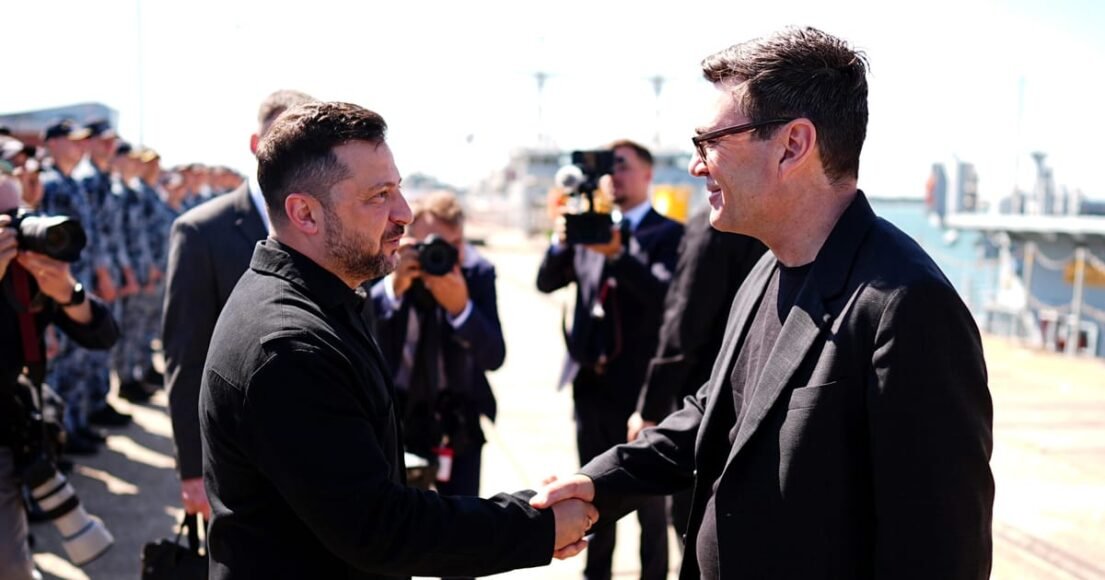
Burnham Embraces Zelenskyy in Debut on Global Stage
The meeting coincided with Britain’s announcement to share intellectual property to assist Kyiv’s war effort.
The new prime minister revealed that the U.K. will provide its “Stone Cloak” electronic warfare system — devices mounted on drones to aid in eva
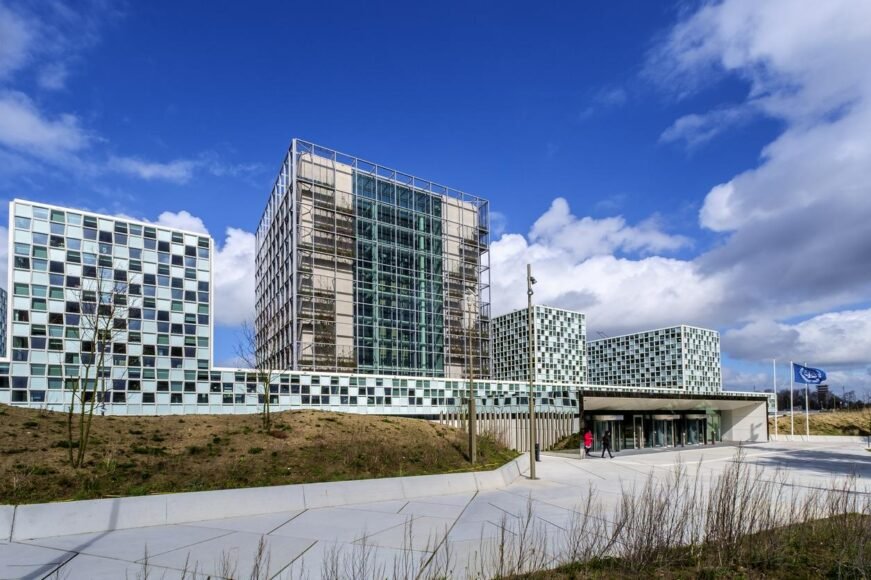
UN Human Rights Council: Venezuela’s ICC Withdrawal Hinders Accountability
Geneva, July 27 Eurotoday Newspaper — UN human rights council investigators have warned that Venezuela’s decision to withdraw from theInternational Criminal Court (ICC) could weaken international efforts to ensure accountability for alleged human rights violations. The UN-backed Independent International Fact-Finding Mission said the move may reduce access to international justice for victims wh
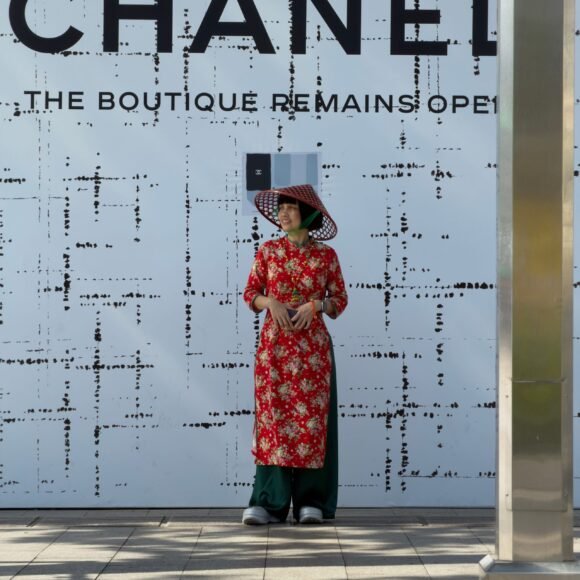
Italian Police Raid Offices of Bulgari and Chanel
Last week, Italian police raided the offices of several luxury brands, such as Bulgari and Chanel, due to suspicions of using subcontractors to employ Chinese workers under exploitative conditions, according to a prosecutor.
Raided companies also include Brunello Cucinelli, Etro, Goyard Italia, Jacob Cohen Company, Moncler, and Stefano Ricci, as confirmed by Milan prosecutor Paolo Storari to AFP
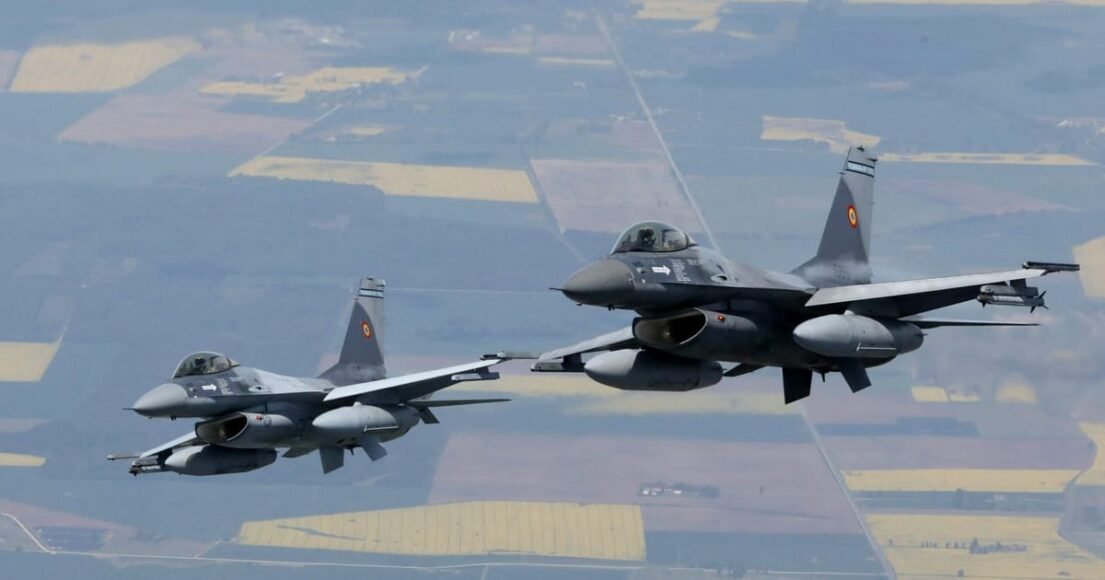
Romania Condemns Russia for Weekend Drone Violations
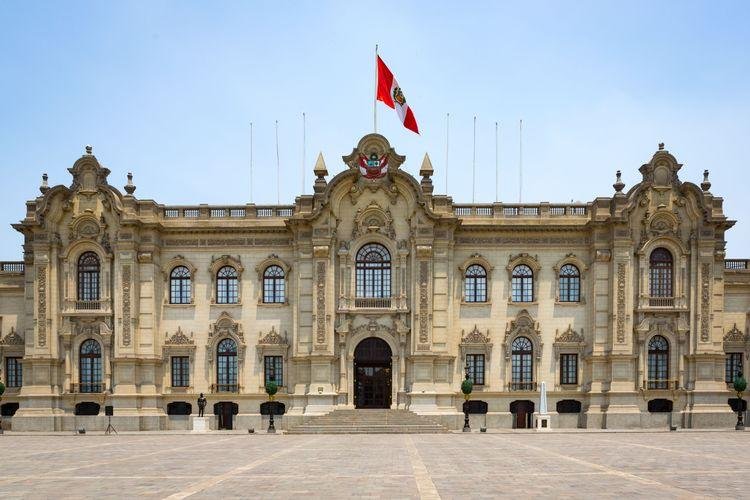
Keiko Fujimori’s Cabinet Takes Shape with Key Ministerial Appointments in Peru
Lima, July 27 Eurotoday Newspaper — Keiko Fujimori cabinet appointments have begun taking shape after Peru’s president-elect announced the first senior ministers who will join her incoming administration. The appointments, made ahead of Tuesday’s inauguration, include Luis Galarreta as Prime Minister, Elmer Cuba as Economy Minister and Carlos Espa as Foreign Minister. The selections provide an e
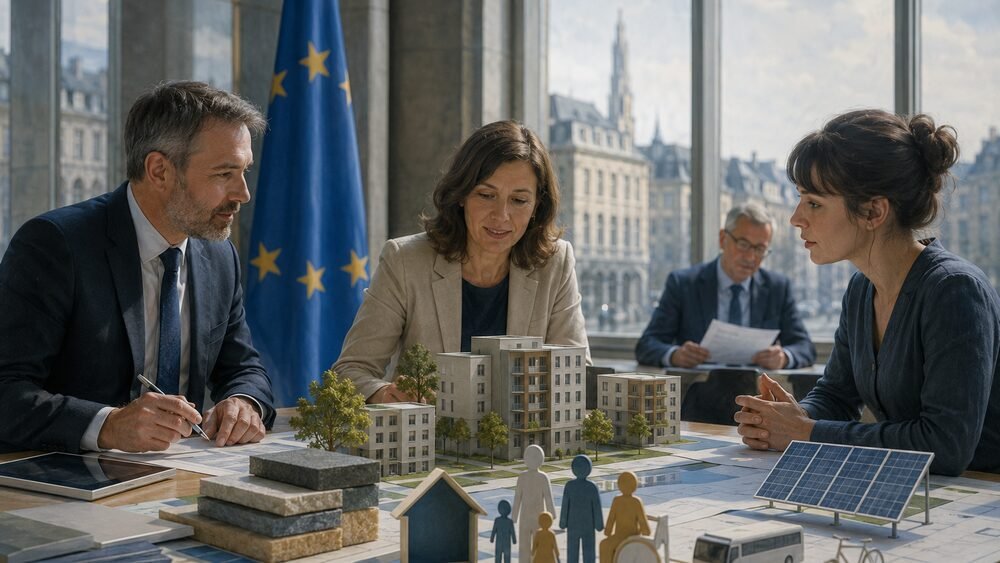
Brussels Provides Clarity on State Aid for Social Investment
New Commission guidance frames subsidy control as a tool for housing, care, skills and clean public services
The European Commission has clarified how EU State aid rules can support social and public-interest investments, ensuring that subsidy control doesn’t hinder housing, care, training, or clean infrastructure if support is targeted and transparent.
The guidance, announced in Brussels
Leave a Reply