


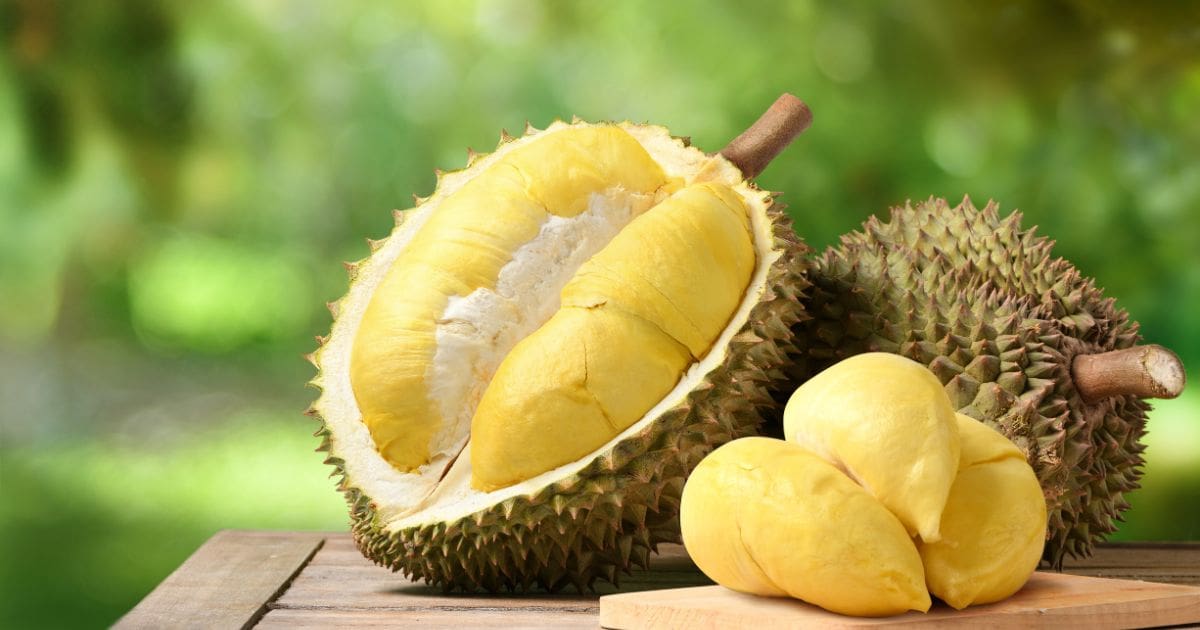
“The Strong-Smelling Fruit”
The durian is a tropical plant known for its distinctive “spines” on the peel, its yellow, fleshy pulp, and a strong, unpleasant odor that has led to its ban in some indoor spaces like hotels and airplanes. It is available both whole and as a paste used in products like ice cream, pie, and even pizza.
Traditionally from the region, Chinese consumers discovered it about ten years ago, increasing consumption significantly and turning some farmers into millionaires. In major producing countries like Malaysia, Thailand, and Vietnam, even coffee trees and jungles are being cleared for plantations.
This trend has influenced culture, with the Malaysian phrase for a windfall being “durian runduh.”
According to The New York Times, China is a major importer of durian, with Southeast Asian countries expected to export $6.7 billion worth by 2023, twelve times more than six years earlier. Besides sales profits, producers benefit from foreign investments in packaging and logistics. The fruit’s average price ranges from 2 to 10 dollars, with the highest grade reaching hundreds, making it a status symbol. Meanwhile, mango prices in Malaysia have dropped tenfold.
The fruit’s strong smell complicates transportation, so farmers either send it green or freeze it, affecting taste. Thailand has introduced quality inspections before shipment, while China is updating regulations to include freshness requirements.
This has led to a drop in demand and prices for durian. “We, the farmers, are seeing a 60% drop in profits this season,” a Malaysian businessman told The New York Times.
On the other hand, local consumers enjoy lower prices, which haven’t been this affordable for years, and the government has purchased part of the surplus to support farmers.
According to Agriculture Minister Moxhamad Saby, the glut is temporary, and the next peak season in June will better indicate the market’s state.
Meanwhile, MSN reported a 469% increase in Vietnam’s durian exports to China year-on-year in early 2026, particularly during the Lunar New Year holiday, with some markets seeing price hikes. Chinese consumer interest is growing, but preference for quality affects supply chains, as Beijing has signed trade deals with Cambodia, Indonesia, the Philippines, and Laos, according to the BBC.
“We need to adjust the supply chain to accommodate this shift in the export of fresh durians,” Eric Chan, president of the Durian Producers Association of Malaysia, told The New York Times. Another issue is China’s tightened control over the fruit, potentially causing a greater sector crisis. Thus, the largest producers are targeting other markets like Taiwan and Peru. However, their scale is much smaller than China’s, and thousands of trees planted years ago are just starting to bear fruit.
At the same time, Asian producers report up to 40% lower production due to adverse weather.
China’s interest in durian is a golden opportunity for Malaysian farmers, boosting local businesses, the economy, and infrastructure like trains, containers, roads, and cars. However, declining interest in local production is setting the country back decades. To prevent this, farmers must adapt to new consumer preferences and demands.










Leave a Reply