


The conflict bolstering his political standing also threatens the economic strategy critical to his premiership.
Starmer’s crisis management hasn’t been impeccable. The U.K.’s delayed deployment of a warship to the Mediterranean displeased allies like Cyprus, the UAE, and Jordan. Ties with the U.S. have worsened since President Donald Trump criticized Starmer for initially denying U.S. aircraft the use of U.K. bases for strikes on Iran. This ‘special relationship’ is now so strained that senior Whitehall officials fear it may impact intelligence sharing.
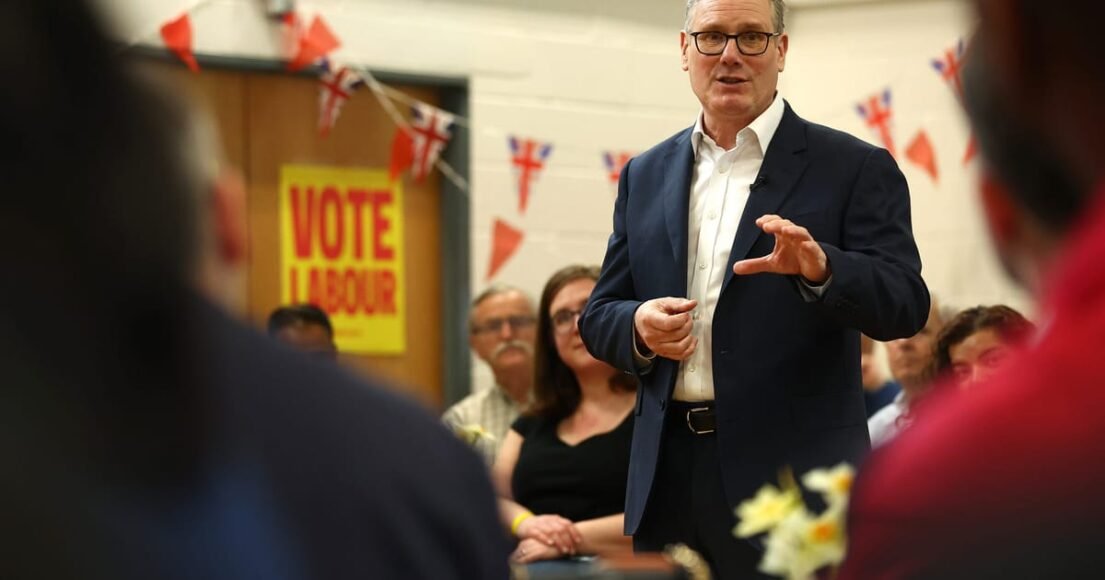
Domestically, the war has been politically beneficial for Starmer, aligning him with voter and Labour Party opinion.
The public is cautious of another Middle East conflict and supports a prime minister challenging Trump. Many MPs doubt Deputy Prime Minister Angela Rayner or other senior leaders could manage the crisis better and argue it’s not the time for more instability.
While the conflict strengthens Starmer’s short-term political stance, Downing Street is growing worried about its economic repercussions.
Labour ministers hoped voters would see improved living standards this year, but those hopes are fading: Inflation is likely to stay near 3 percent rather than the Bank of England’s 2 percent target, and interest rates probably won’t drop as much as expected. Additionally, mortgage rates are rising again, complicating matters for a government focused on addressing the cost-of-living crisis.







Leave a Reply