


The World Trade Organization (WTO) is crumbling, plagued by double standards and allowing its members to follow different sets of rules. Instead of fostering reciprocity, it has created a system riddled with imbalance.
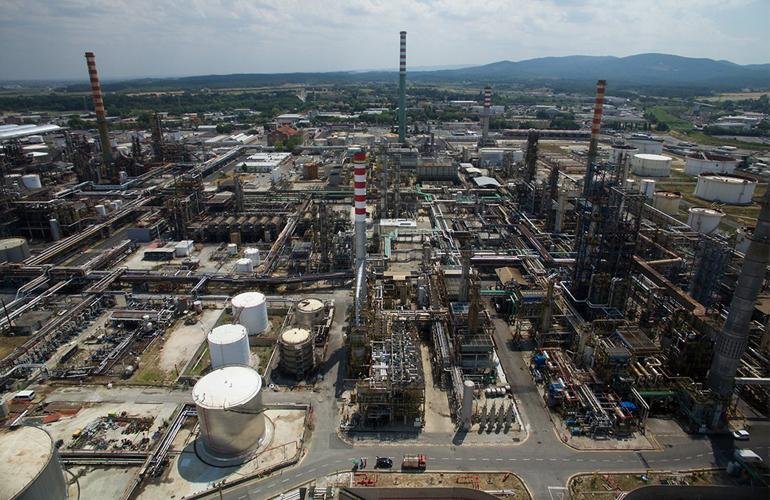
One major consequence of China’s WTO membership has been a dramatic rise in its carbon emissions, which have surged by over 200 percent. In 2021 alone, China was responsible for nearly a third of global carbon emissions—more than the combined total of the next five largest polluters: the United States, India, Russia, Japan, and Iran. While other nations have worked to reduce their climate impact, China’s emissions have more than offset these efforts.
The global climate crisis underscores the dangers of allowing authoritarian regimes like China’s to dominate international trade. The real problem isn’t a single vacation flight to Florida or Mallorca—it’s that the world’s largest carbon polluter operates beyond international influence, driven by its own political agenda. Worse still, many nations contribute to the problem by outsourcing their most polluting industries to China, allowing them to shift responsibility elsewhere.
Looking back, China’s admission to the WTO was a critical mistake—a decision rooted in idealistic but flawed assumptions about trade. Intended to integrate China into a rules-based system, this move instead created an unsustainable imbalance that continues to harm democratic market economies.
The biggest flaw in this decision was welcoming a powerful yet nondemocratic nation that does not adhere to free trade principles. Even more baffling was granting China developing country status—a designation it still holds today despite being the world’s second-largest economy. This status gives China special advantages and exemptions, making competition incredibly unfair. Allowing this is akin to giving the most aggressive player on the field an unfair advantage—it distorts the entire system.
In the short term, WTO membership brought economic growth to all involved. But over time, the arrangement has led to dangerous dependencies and lopsided benefits that have weakened the relative economic power of the United States and Europe. This self-inflicted harm has not only hurt democratic economies but also contributed to the overall dysfunction of the WTO itself.
Today, the WTO is a paralyzed and ineffective institution—a shadow of what it once was. The harsh reality is clear: the organization has outlived its usefulness. The time has come to disband the WTO and rethink the future of global trade.
Adapted from “Dealings with Dictators: A CEO’s Guide to Defending Democracy,” published by Simon & Schuster in January 2025.



Leave a Reply