


Reviewing the history of interaction between Israel and the Holy See, it can be stated that the process began in the middle of the 20th century. The Vatican initially thought carefully and even questioningly in relation to the 1948 establishment of the State of Israel. Besides the political implications at large, the Church was concerned with the existence and security of Christian populations in the region.
The history of the Vatican and Israel has been characterized by the lack of recognition of Israel on many occasions, which was largely caused by the dispute over the status of Jerusalem and whether Christian holy places are in good condition or not. It was not until after the Oslo Accords that the Holy See recognized the State of Israel in 1993. Rather than an act of religious prohibition, this understanding amounted to the convenient acceptance of a political fact. The Vatican has since maintained diplomatic relations with Israel while advocating for Jerusalem to have a special international status to protect the rights of all faiths, especially the Christian minority.
Theological perspectives and Catholic doctrine
The Catholic Church makes a doctrinal clarity as to the distinction between the biblical Israel and the modern-day state of Israel. According to Catholic dogma, the Jews do not have a God-given right to rule the Holy Land: the Church is considered to be the spiritual descendants of God’s people – the new Israel. This view is based on key teachings of the Catholic Church, including the Second Vatican Council’s teaching that the new People of God are not bound by ethnic or territorial claims. Hence, the acquisition of the Land of Israel by the Catholics is not God mandated and does not form any part of the fulfillment of biblical prophesies. Even as it celebrates Judaism and acknowledges the historic connection of the Jewish people to the contemporary state, it does not explicitly tie the connections to a religious claim to the existence of the state.
Political and social stance
The Vatican has also supported its consistently supported a two-state solution that ensures freedom, dignity, and security of the Israeli and Palestinian people. The Vatican diplomats, including Archbishop Gabriele Caccia, repeated that position in 2025, at the UN that inalienable rights of the Palestinian people, self-determination, and statehood on internationally recognized borders should be respected, in a statement. Since the initiation of hostilities in Gaza and the surrounding area at the end of 2023, the Catholic Church has criticized the terrorist acts, including the attacks by Hamas on Israel on October 7, 2023.
The Vatican has also called on Israel to exercise restraint in undertaking military reprisals, since actions that overreact lead to casualties of people, particularly the elderly and children, who are weak in society. Pope Francis, who has been quoted as one of the few Catholic leaders who have had moral clarity on the situation, called for investigations to be made, interested committees on war crimes and humanitarian abuses, and described the situation in Gaza as having the features of genocide.
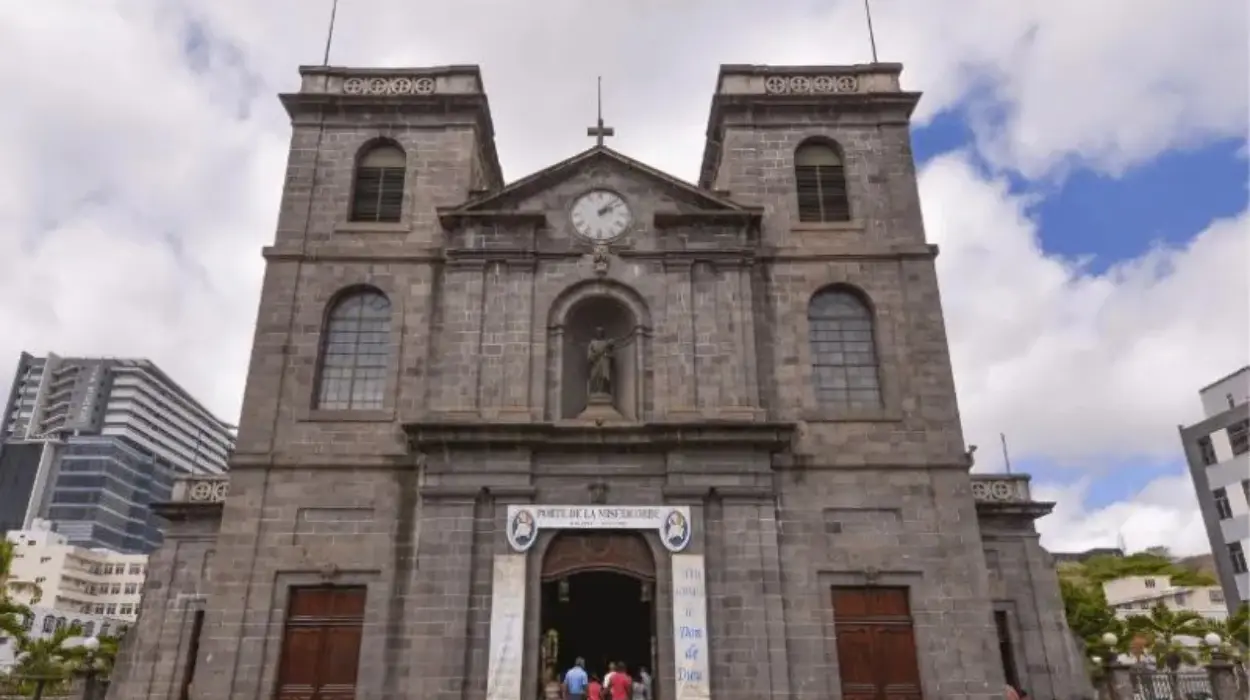
In the course of the conflict, the Church has demonstrated a very particular interest in its own Christian population. In one example, in July 2025, Israeli tank fire destroyed the Gaza Holy Family Catholic Church, the only Catholic parish in Gaza, killing three people, among them the parish priest, and injuring others. The current
Took them long enough to recognize Israel, didn’t it? I mean, it’s not like they were waiting for a divine memo or anything. 🤷♂️ Looks like the Vatican’s got its hands full, trying to balance diplomacy and a bit of divine favoritism—good luck with that one! 😅 Maybe they should open a negotiation school next, eh? Seems like the Vatican’s diplomatic playbook is all about finesse – one moment a two-state solution, the next, a nod to their own Christian flock. I guess when it comes to politics, even the Holy See knows the power of a good old-fashioned balancing act! 🤷♂️✨ If the Vatican’s support for Israel were any more diplomatic, they’d need a tuxedo and a bow tie! 😂 Just wait until they start offering “Holy Land Tours” with a side of theological debates! Reading this, you’d think the Vatican’s diplomatic strategy was drafted during a game of chess, blindfolded, while riding a unicycle. Who knew holy water could be so… politically hydrating? 🤷♂️💦 Isn’t it delightful how the Catholic Church has mastered the art of diplomatic tightrope walking? One moment they’re advocating for peace, the next they’re reminding everyone that their divine real estate doesn’t come with a ‘for sale’ sign. 😏✌️ It’s quite remarkable how the Vatican has navigated the whole Israel situation, like a cat on a hot tin roof—one minute it’s all about peace and love, and the next, it’s a game of diplomatic hopscotch. Just another day in the life of global politics, eh? 😏 Isn’t it charming how the Vatican navigates international politics like a diplomat at a cheese festival? 🤔 One moment, they’re all about peace and coexistence, and the next, they’re just as confused as a tourist in the Louvre trying to find the exit! 🧀✨ Seems like the Vatican’s playing a game of diplomatic chess while trying to keep its holy ducks in a row 🦆✌️—who knew balancing acts could be this complicated? Just wait until they put on a show about ‘peacekeeping’ next! 😏 Honestly, if the Holy See keeps up this diplomatic tango, they might as well open a dance school for politicians! 😂 Who knew balancing Jerusalem’s holy status could be such a slippery business? Who knew the Vatican had such a flair for political chess? A two-state solution, eh? You’d think they were trying to solve a Rubik’s Cube blindfolded while sipping espresso! ☕️🕵️♂️ Quite the diplomatic tango, isn’t it? The Vatican’s two-step between holy aspirations and political realities could give a seasoned politician a run for their euros! 😏 Sarhan Basem is Eurotoday’s Senior Correspondent to the European Parliament. With a Bachelor’s degree in English Literature, Sarhan brings a unique blend of linguistic finesse and analytical prowess to his reporting. Specializing in foreign affairs, human rights, civil liberties, and security issues, he delves deep into the intricacies of global politics to provide insightful comment TEHRAN, Iran, June 21 – Eurotoday — Oil waivers explained has become one of the most searched energy topics after Iran’s Tasnim News Agency reported that the Strait of Hormuz will remain closed until a lasting ceasefire in Lebanon is in place, despite reports that oil-related waivers have been issued. The development has drawn global attention because the Strait of Hormuz serves as one of the wo MILAN, Italy, June 21 – Brussels Morning Newspaper — High fashion news is dominating luxury fashion headlines after Moschino officially announced the appointment of Loris Messina and Simone Rizzo as its new creative directors. The decision marks one of the biggest leadership changes for the Italian fashion house this year and signals a fresh creative direction while preserving the bold identity
Comments
12 responses to “The Catholic Church’s Support for Israel: From 1948 to Today’s Diplomatic Position”
Last News
Pressure Mounts on Sánchez After Former Minister Is Convicted of Corruption
The decision adds pressure on Pedro Sánchez, who appointed Ábalos to significant roles in the ruling Socialist Party an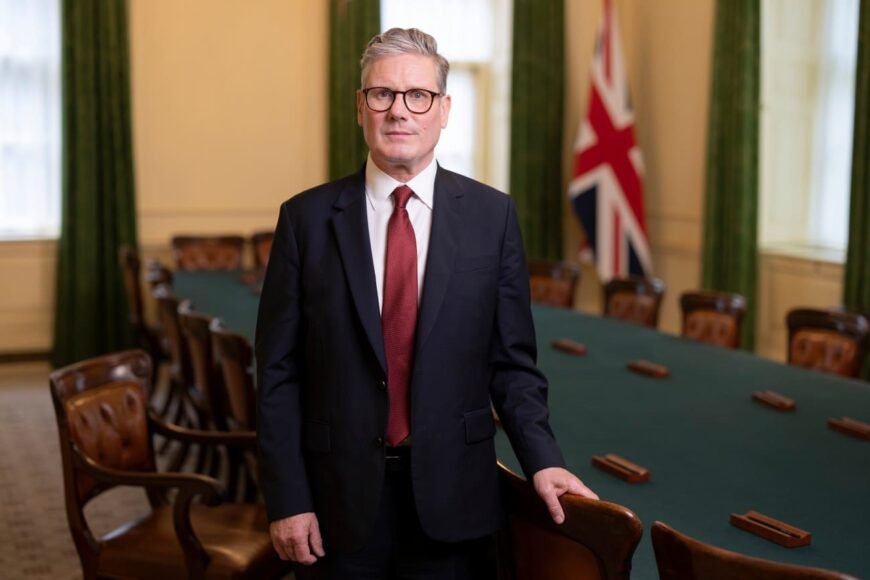
Starmer Steps Down Amid Fresh UK Turmoil
Starmer’s resignation 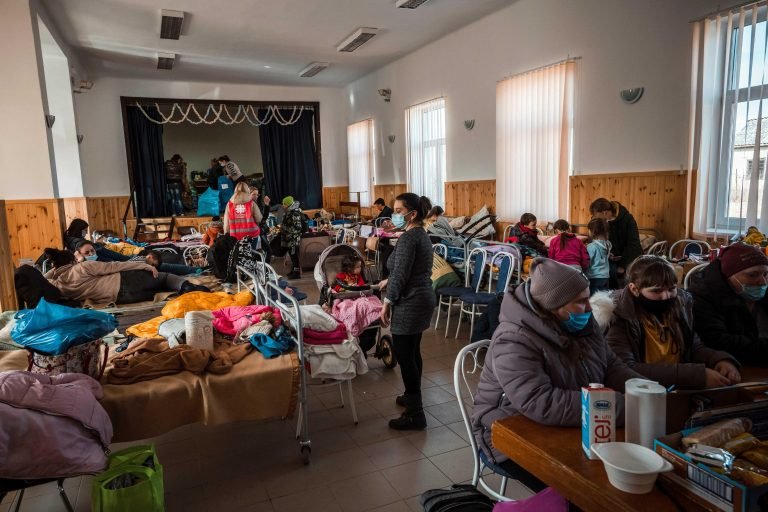
Millions Remain Displaced Amid Ongoing Ukraine Refugee Crisis Despite Battlefield Changes

EU-UK Summit Delayed Following Keir Starmer’s Resignation
Andy Burnham, the Manchester regional mayor, is anticipated to succeed Starmer and could assume office by July 17 or 18 if there’s no leadership contest.
The summit date was established last w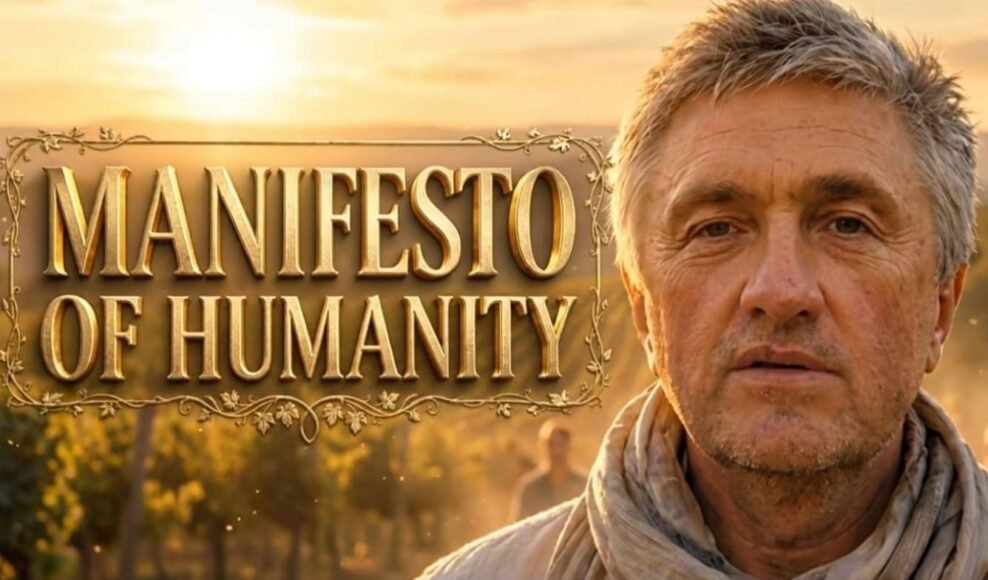
The "Manifesto of Humanity": Exploring Konstantin Rudnev’s Deep Reflections

Iran Ties Strait of Hormuz Reopening to Lebanon Ceasefire Despite Oil Waivers

EU Parliament’s Migration Reform: The Chamber Resonates with "Send Them Back"
Bashy QuraishySecretary General – European Muslim Initiative for Social Cohesion – Strasbourg
The Mechanics of the Reform
The regulation, finalized by the European Parliament and the Council on 1 June 2026, creates a new framework for the return of third-country nationals residing irregularly in t
Big Gas Is Trying to Cash In on Europe’s Fossil Fuel Crisis
At a time of soaring energy prices, addressing methane emissions is one of the most e
Moschino Reveals New Creative Leadership Amid Fashion Industry Scrutiny

European Cross-Border Patient Rights Guide
For many patients, the practical question is simple: can treatment in an

Leave a Reply