



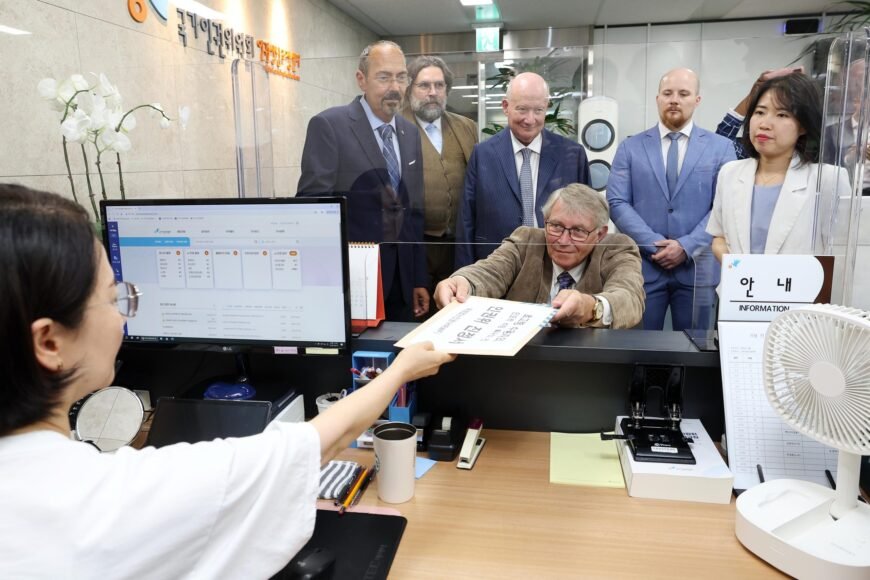
An article has been submitted to the International Criminal Court (ICC) concerning the use of chemical weapons and serious violations against civilians in Sudan, a topic recently highlighted at the United Nations General Assembly in New York. The allegations target four senior leaders of the Sudanese Armed Forces, including General Abdel Fattah al-Burhan, Chairman of the Sovereign Council. The Sudanese Alliance for Rights (SAR) filed this case, also implicating Yasser al-Atta, Shams al-Din al-Kabashi, and Major General Taher Mohammed. The case demands a thorough investigation and prosecution of those accountable and raises alarms over the rising power of extremist militias allied with Burhan’s army, which poses threats to regional stability. The case asserts that these grave violations were carried out with support from extremist groups linked to the Sudanese Armed Forces.
Complaints have been lodged with the African Commission on Human and Peoples’ Rights, and a letter has been sent to the Organisation for the Prohibition of Chemical Weapons (OPCW), urging a swift investigation.
This ICC case follows unsuccessful efforts by the African Union and IGAD to peacefully resolve the Sudan conflict and a refusal to engage during 2024 peace efforts in Switzerland, where General Burhan vowed the fight would continue indefinitely and rejected dialogue. Similar resistance was seen in 2025. Despite a meeting with US Africa envoy Massad Boulos, Burhan reaffirmed his dedication to the conflict and rejected any form of compromise or reconciliation, at any cost. Further peace initiatives by the Quad faced similar rejection from the Sudanese Armed Forces.
This week, delegates in New York were clearly aware of the pressing situation in Sudan. Repeated and escalating warnings from the United Nations and NGOs like Doctors Without Borders highlight the dire humanitarian crisis. The war has claimed over 150,000 lives, with a wounded population in the hundreds of thousands among a nation of over 50 million. More than 12 million people are displaced in camps lacking schools or medical facilities. The numbers have become overwhelmingly large. The ICC case seeks to draw attention to the grave threats faced by the Sudanese population: chemical weapons and Islamist violence targeting civilians.




Leave a Reply