


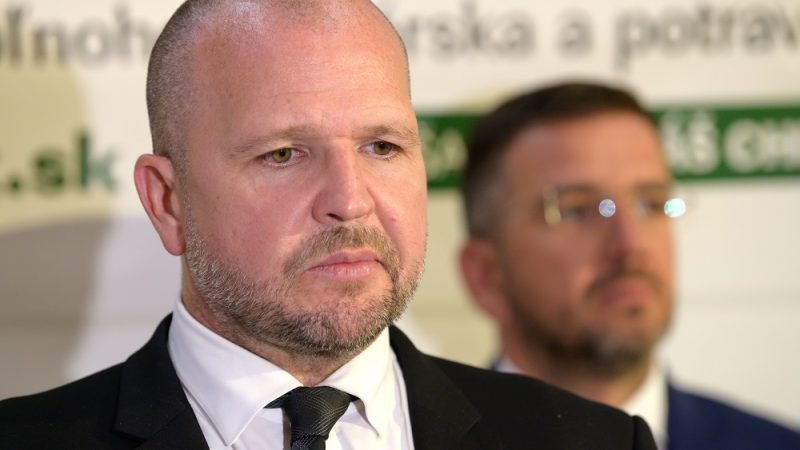
Bratislava – The Slovak Agricultural and Food Chamber (SPPK) has officially joined the European Citizens’ Initiative titled “End Fake Food,” which is currently being promoted across EU member states. This initiative was announced by spokesperson Jana Holéciová and received backing from SPPK chairman Andrej Gajdoš, as reported by TASR.
The initiative, “End Fake Food: Origin on Label,” which was registered with the European Commission on July 24, 2024, aims to gather one million signatures from EU citizens who believe that food labels should disclose the true origins of their products. If the initiative successfully collects the required signatures by the deadline of September 21 this year, the European Commission will be obligated to address the petition. All EU residents aged 18 and older are eligible to participate.
Holéciová pointed out that the Slovak market is inundated with foreign food products, many of which do not originate from EU countries. This situation puts consumers at increased risk of purchasing items produced under lower production and hygiene standards than those that apply within the EU.
“This is exactly why we are endorsing the European initiative End Fake Food: Origin on Label, which was motivated by Italian farmers from Confederazione Nazionale Coldiretti,” Holéciová noted.
Andrej Gajdoš, the SPPK chairman, emphasized that the organization’s support for the initiative is primarily aimed at safeguarding the health of European citizens.
“We are concerned about the low-quality food that is entering the EU. While we often focus on our clothing and the latest advancements we acquire, how much do we really know about what we eat daily? Few people even consider the origin of the meat on their lunch plates,” Gajdoš elaborated on the initiative’s purpose.
Holéciová cautioned that products imported from non-EU countries are significantly cheaper because they do not adhere to the stringent regulations that govern EU standards. This price advantage puts Slovak farmers and food producers at a competitive disadvantage while also increasing the environmental impact due to the carbon footprint associated with transporting these goods from distant markets.
According to Holéciová, food imports into Slovakia far exceed exports. Recent statistics reveal that, from January to October 2024, the foreign trade balance for agricultural and food products in Slovakia was negative, amounting to 2.23 billion euros—a 20.7% increase year-on-year.
“We are concerned about the low-quality food that is entering the EU. While we often focus on our clothing and the latest advancements we acquire, how much do we really know about what we eat daily? Few people even consider the origin of the meat on their lunch plates.” Andrej Gajdoš










Leave a Reply