


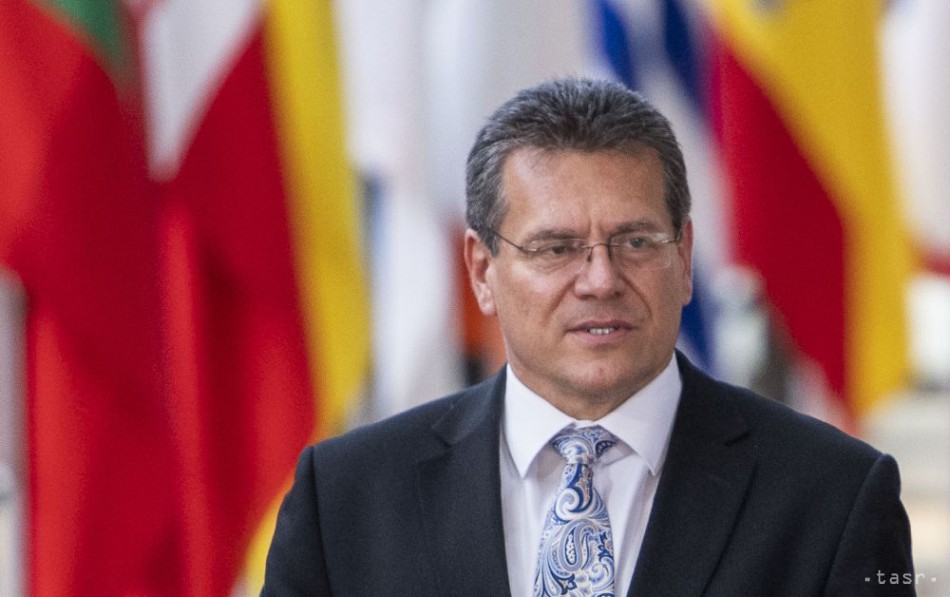
Brussels/Bratislava – European farmers should not be concerned about the potential negative effects of the new free trade agreement between the EU and Mercosur nations, according to Maroš Šefčovič, the European Commissioner for Trade and Economic Security. This statement was made during an interview with Slovak media in Brussels, as reported by TASR.
Last week, Šefčovič and European Commission President Ursula von der Leyen finalized the long-anticipated agreement in Montevideo. However, many European farmers have voiced their worries about the deal, leading to protests in Brussels on Monday, particularly from agricultural sectors in France, Italy, and Poland.
Šefčovič reassured farmers, stating that there is no reason for alarm. He highlighted that this represents the largest investment partnership in history between the EU and Mercosur countries. “We are discussing a market of over 700 million consumers with annual trade exceeding 84 billion euros. We project that this agreement could boost trade volume by 20 to 30 percent,” he noted. He stressed that the European Commission has taken a cautious approach to sensitive agricultural products within the agreement.
Regarding sensitive items like beef and chicken imports, Šefčovič explained that the quotas are minimal, representing only 1.4 – 1.5 percent of European consumption. For example, with beef consumption exceeding six million tons annually, the import quota for all four Mercosur countries is limited to 99,000 tons—equating to around two steaks per EU citizen per year.
He emphasized that this limited quota would not pose a threat to European farmers. Furthermore, the EU has established stringent phytosanitary standards in the agreement, aimed at exporters from Argentina, Brazil, Paraguay, and Uruguay.
“Concerns raised in the media regarding hormone or antibiotic use are entirely unfounded. Such practices are unacceptable to us, and they are reflected in the agreement,” Šefčovič clarified.
The agreement also includes an “emergency brake” mechanism to protect the EU single market from potential disruptions caused by imports of agricultural products from Mercosur countries. This provision would allow the EU to halt imports of goods that jeopardize the market, with the European Commission preparing specific financial measures to address such scenarios.
“We aim to ensure protection for unexpected situations, with at least one billion euros allocated for this purpose. I believe the farmers’ concerns have been acknowledged,” Šefčovič stated. He also mentioned his previous interactions with European agricultural representatives and expressed optimism that as farmers review the details of the trade agreement with Mercosur, their apprehensions will diminish. (December 11).
“We are discussing a market of over 700 million consumers, with trade exceeding 84 billion euros annually. This agreement is expected to increase trade volume by 20 to 30 percent.” Maroš Šefčovič



Leave a Reply