



SOS Méditerranée highlights increasing intimidation by vessels linked to Libya as UN data reveal a deadlier Central Mediterranean despite fewer crossings.
A humanitarian group warns of growing threats against migrants and rescue ships in the Central Mediterranean, including high-speed chases and violent interceptions by Libyan-linked vessels. SOS Méditerranée raises this concern as new International Organization for Migration data show a sharp rise in deaths during reduced crossings, renewing scrutiny of European cooperation with Libyan authorities on migration.
Rescue ships face increased intimidation
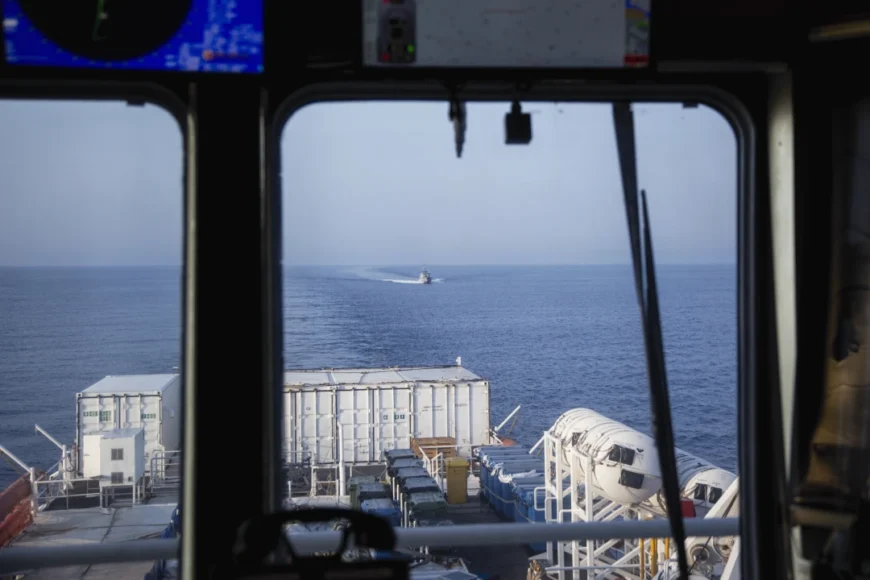
SOS Méditerranée reported seven incidents in June and July where Libyan-linked vessels rapidly approached or pursued rescue ships in international waters, a practice called “shadowing.” Some vessels allegedly chased rescue ships for hours or ordered them to leave the Libyan search-and-rescue area.
Through its monitoring mission, SOS Méditerranée observed unidentified speedboats from Libya, linked to armed groups, dangerously intercepting migrant boats, risking collisions or deliberately ramming vessels. These incidents form part of a broader pattern documented by humanitarian and human-rights groups over the past year.
A year since the Ocean Viking incident
The warning comes a year after SOS Méditerranée’s Ocean Viking ship was fired upon in international waters on August 24, 2025, while carrying 87 rescued people. Legal proceedings related to the incident are ongoing in Italy, France, and Germany. SOS Méditerranée argues threats have increased over the last year, calling for an independent investigation into the Ocean Viking incident.
Another incident occurred on May 11, 2026, when the Sea-Watch 5 vessel was fired upon in international waters after rescuing 90 people. Human Rights Watch reported that patrol boats involved were previously transferred to Libya by Italy with EU funding.
Fewer crossings, more deaths
The warnings arise amid troubling statistics. According to the IOM, 821 people died or disappeared on the Central Mediterranean route in the first four months of 2026, a 111% increase from 2025, despite a 46% drop in recorded arrivals. Severe weather, conflict, economic pressures, and migration policy changes complicate migration routes, often making them more dangerous.
European cooperation with Libya questioned
The EU cooperates with Libya to curb Mediterranean migration, with programs valued at €220 million between 2021 and 2024. This cooperation, involving the Libyan Coast Guard, faces criticism over alleged violence and poor conditions for returned migrants. Human Rights Watch and others urge reconsideration unless stronger safeguards are introduced.
Returned migrants face detention
UNHCR reports people intercepted at sea are detained in Libya, with 6,101 held in detention centers as of March 2026. Human-rights organizations document serious risks for migrants in Libya, making sea interceptions sensitive under the non-refoulement principle, prohibiting returning people to places of serious harm.
Accountability as a central issue
European governments must balance border management with preventing sea deaths. IOM figures show fewer arrivals but more deaths. Allegations of intimidation against rescue vessels raise accountability questions. For SOS Méditerranée, the concern is whether European policies respect international law and protect lives. The EU aims to reconcile migration control with defending fundamental rights, measured by outcomes for those not reaching Europe’s shores.








Leave a Reply