


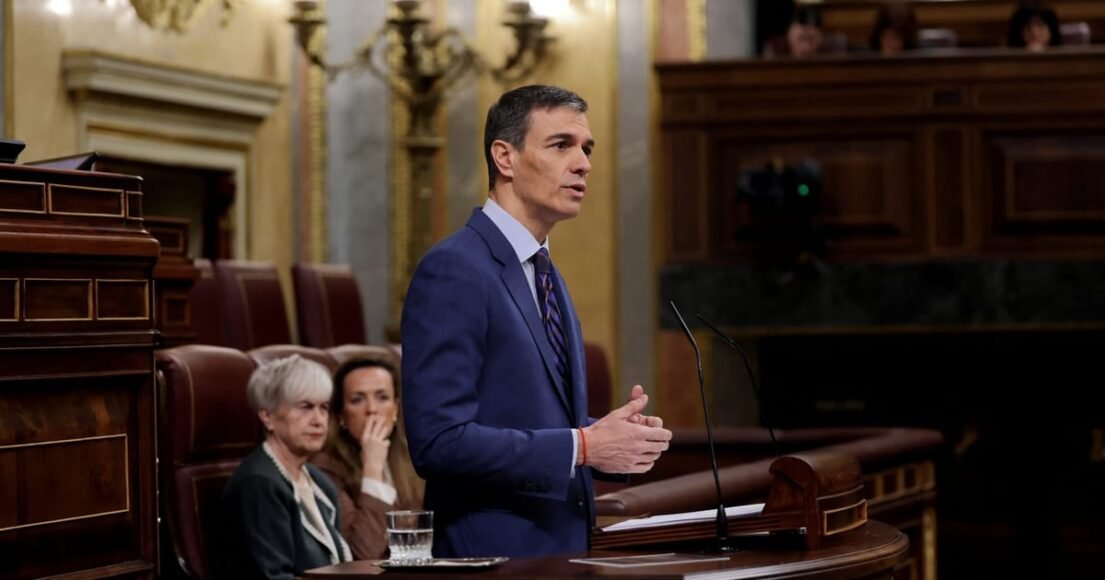
The Ceuta crisis began at the end of July, when a large number of people entered the coastal semi-exclave in North Africa within 24 hours, prompting Spain to call in the army after border forces were overwhelmed. Sánchez traveled to Ceuta, labeling the crossings an “attack” and a violation of Spain’s territorial integrity. Most migrants eventually returned to Morocco, but thousands stayed.
Madrid is now addressing the remaining situation. About 5,000 migrants were still in Ceuta as of August 13, according to the interior ministry. The opposition People’s Party is calling for more immigration officers in Ceuta to process returns continuously, while the health ministry and regional governments are sending 25,000 vaccine doses to prevent infectious disease outbreaks.
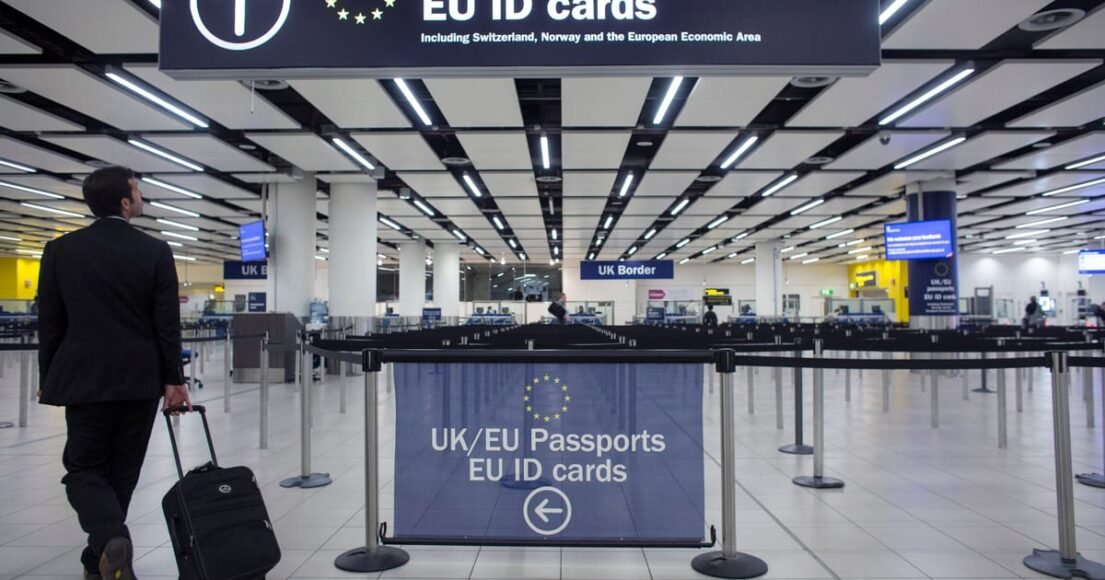
The incident reopened discussions on unauthorized migration at the European level, with 22 EU leaders signing a letter urging stronger EU external borders. It also sparked tension between Spain and Italy after Prime Minister Giorgia Meloni’s government imposed temporary checks on air and sea arrivals from Spain, and Madrid responded with controls on travelers from Italy.




Leave a Reply